Baloch insurgent attacks threaten Pakistan's billion-dollar Reko Diq mining deal
U.S. financing for Reko Diq promised billions and thousands of jobs, but a renewed Baloch insurgency has pushed Barrick to slow the project and extend its review.
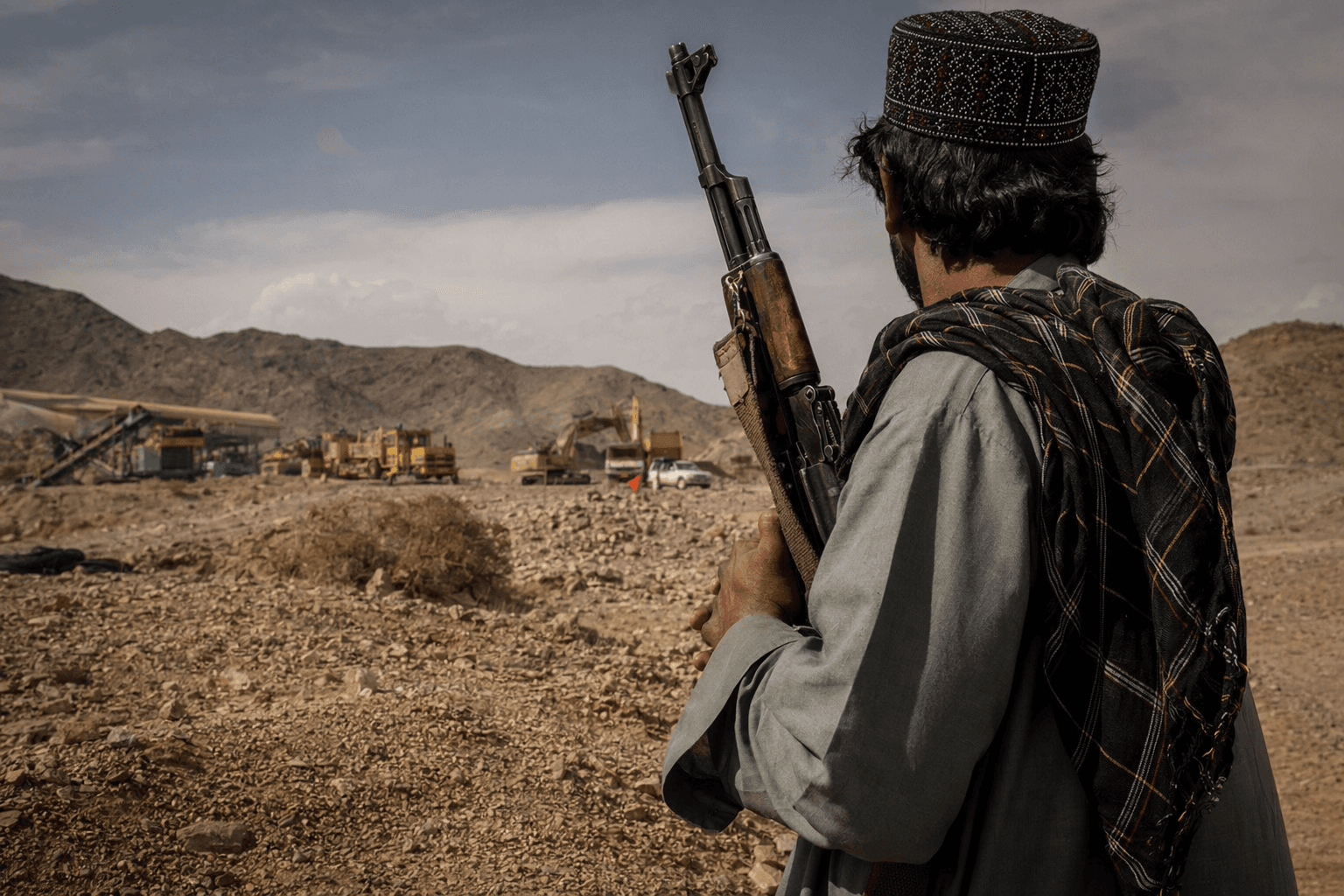
The U.S. bet on Pakistan’s Reko Diq copper and gold deposit now collides with the security reality in Balochistan, where insurgent attacks have repeatedly shaken confidence in one of the country’s most ambitious mining projects. The U.S. Export-Import Bank approved $1.25 billion in financing in December 2025, but Barrick Mining has since warned that violence and instability are forcing it to slow development and rethink the timetable.
The financing was meant to do more than move ore. The U.S. embassy in Pakistan said it could unlock as much as $2 billion in U.S. mining equipment and services, while supporting an estimated 6,000 jobs in the United States and 7,500 jobs in Balochistan. Reko Diq, in Chagai District, sits atop one of the world’s largest undeveloped copper-gold deposits and is being developed by Barrick alongside Pakistan’s federal and provincial governments. Barrick holds 50% of the project, while three Pakistani federal state-owned enterprises and the Government of Balochistan each hold 25%.
That financial promise is now shadowed by security concerns. Barrick said in early 2026 that it was reviewing the project’s security arrangements, development schedule and capital budget. In March 2026, the company said preliminary findings and the worsening security situation in Pakistan and the wider region had compelled it to slow development and extend the review through mid-2027. Barrick has also said first production may now slip to 2029.
The pressure comes from the Baloch Liberation Army, a separatist militant group that says its insurgency is tied to grievances over control of Balochistan’s resources and a larger share of mineral wealth. The group’s profile rose sharply after its March 11, 2025 hijacking of the Jaffar Express in Balochistan, when militants seized a passenger train carrying roughly 400 to 450 people. Pakistani authorities later said they rescued hundreds of hostages, and the army ended its operation with deaths on both sides. The BLA is designated as a terrorist organization by the United States and the European Union.
For Washington, the project is about more than one mine. Analysts and regional observers say the Reko Diq deal is part of a broader effort to secure critical minerals and diversify supply chains away from China. For Balochistan, it is a familiar and harsher calculation: whether a province long scarred by violence, displacement and distrust can host a project that promises global supply-chain leverage while still leaving local communities with a fair share of the wealth beneath their soil.
This article was produced by Prism’s automated news system from verified source data, official records, and press releases, then run through automated quality and moderation checks before publishing. The system is built and supervised by the people who set the standards it runs under. Read our full AI policy.
Did this article answer your question?