Trump skeptical of Iran peace plan as he reviews proposal
Trump signaled he was open to reviewing Iran’s 14-point plan, but said Tehran had not “paid a big enough price” and looked far from a deal.
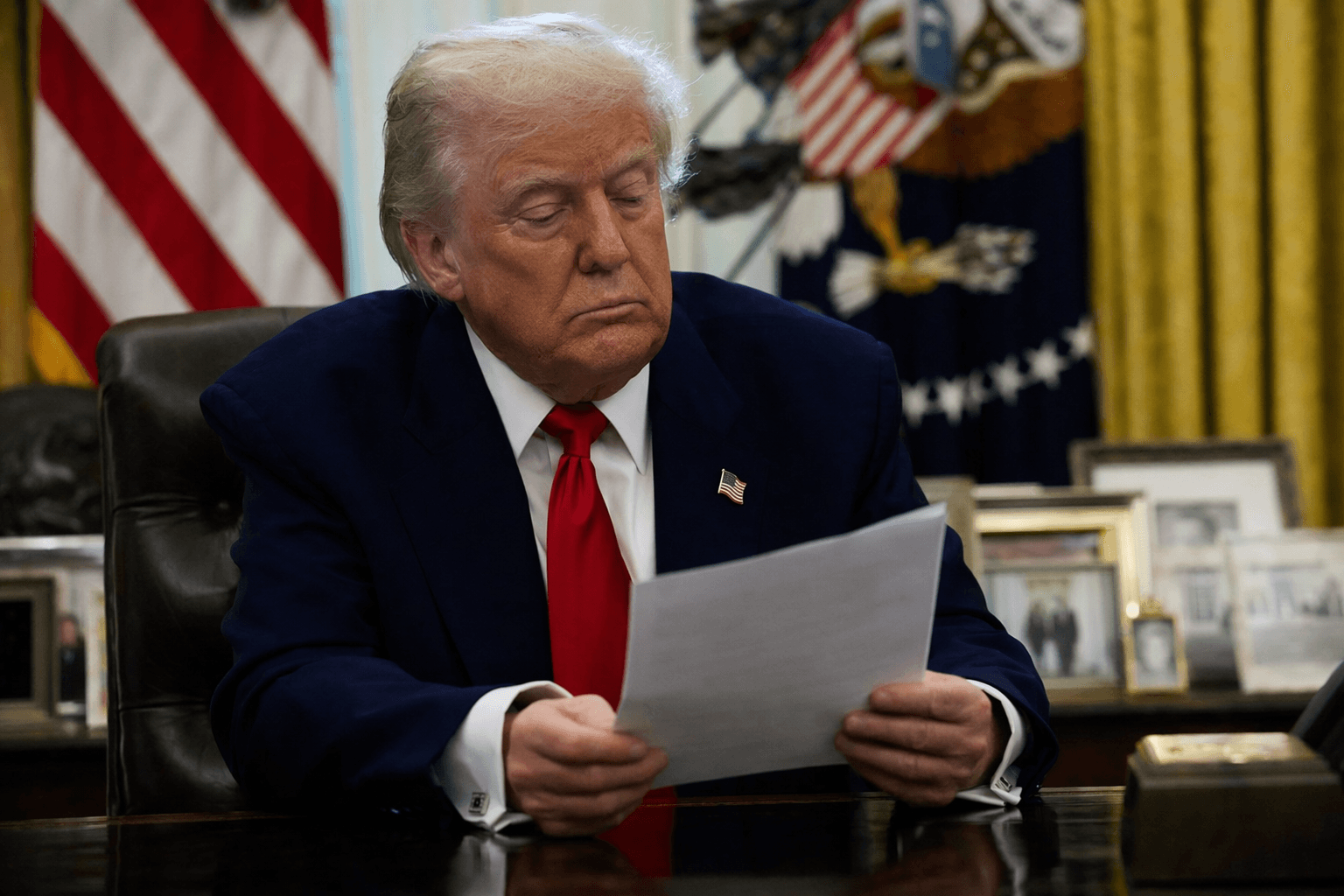
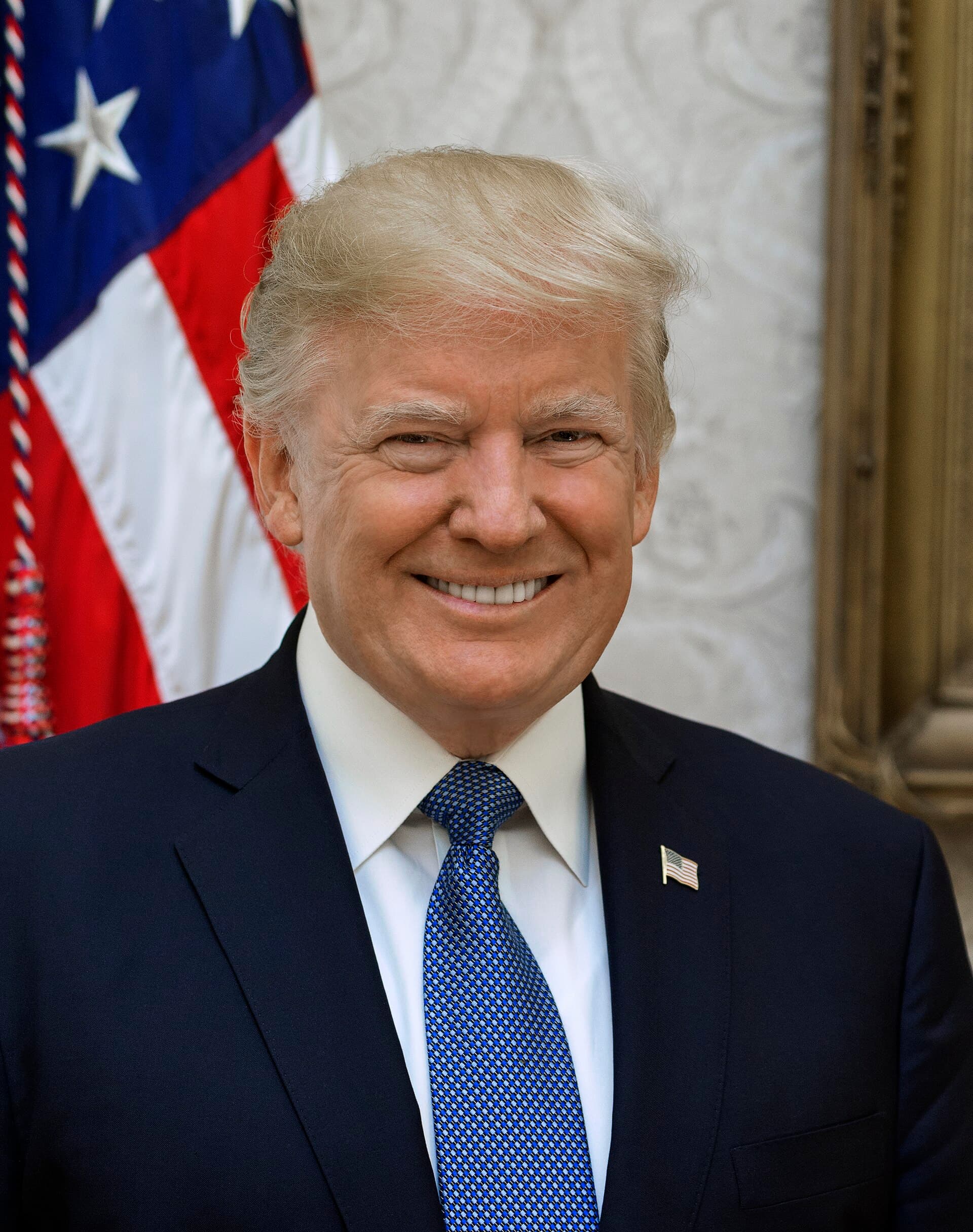
Donald Trump said he was reviewing a new proposal from Iran, but he cast immediate doubt on whether it could work, saying he could not imagine it would be acceptable and that Iran had not yet “paid a big enough price.” His comments put the gap between battlefield pressure and diplomacy on display, with Washington still signaling force while Tehran pressed for terms that would end the war quickly and on its own terms.
The Iranian plan was described as a 14-point response to a U.S. proposal delivered through a Pakistani intermediary. Iranian state media and reports cited by NPR said the package called for ending the war within 30 days, far shorter than the two-month ceasefire the U.S. had proposed. It also reportedly sought guarantees against future military aggression, the lifting of a naval blockade, the withdrawal of U.S. forces from areas surrounding Iran, and the unfreezing of Iranian assets. Al Jazeera reported that Tehran wanted the conflict to end “on all fronts,” including in Lebanon.

That makes Trump’s language more than just rhetoric. Saying Iran has not “paid a big enough price” suggests he is trying to preserve leverage before any negotiation hardens into concessions. It is a familiar bargaining tactic: keep the pressure high, signal that military costs still matter, and avoid giving the other side a quick diplomatic win. But maximalist language also narrows the room for compromise. If the White House frames Iran’s offer as fundamentally unacceptable before serious talks begin, it risks making a deal look politically weaker in Washington even if the outlines of one are still on the table.
The broader policy picture reinforced that tension. CNN reported that the U.S. was fast-tracking $8 billion in arms sales to Middle East allies while the talks were unfolding, underscoring that diplomacy was moving in parallel with continued military escalation. Iranian military officials, meanwhile, warned that renewed conflict remained possible and said their forces were fully prepared, a public posture that suggested Tehran was not betting on an imminent breakthrough.
For now, the signals point in two directions at once. Trump’s review of the plan leaves the door open, at least procedurally, but his comments make clear that he wants a larger price from Iran before he considers any serious settlement. Iran’s proposal shows it is willing to put a detailed offer on the table, yet its demands, from non-aggression guarantees to asset relief and troop withdrawals, read as a bid to lock in security gains before any ceasefire takes hold. The result is a negotiation defined as much by pressure as by compromise, and that balance may decide whether the next move is a deal or another round of fighting.
Know something we missed? Have a correction or additional information?
Submit a Tip