De Guindos says Spain should keep ECB seat, could vie for presidency
Spain is fighting to keep an ECB board seat as four top posts open by 2027. The contest could also put a Spaniard in line for the presidency.
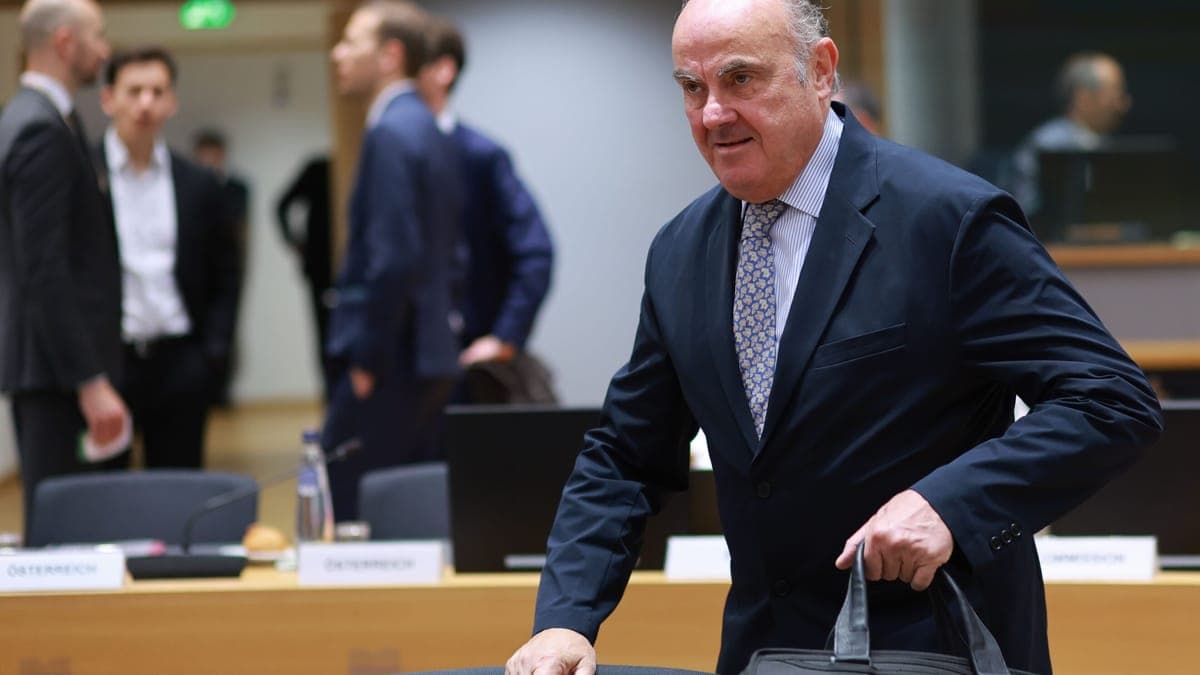
Luis de Guindos used his final weeks as European Central Bank vice-president to make a blunt case for Spain: keep a seat on the six-member Executive Board, and do not rule out a Spaniard for the presidency. With his own replacement set for 1 June, the departing central banker framed the fight in terms of balance, influence and whether the euro area’s fourth-largest economy still has a voice in Frankfurt.
The stakes go well beyond national pride. The ECB’s Executive Board, made up of the president, the vice-president and four other members, helps steer the central bank that sets policy for the euro area and is charged above all with price stability. Its members are appointed by the European Council by qualified majority for non-renewable eight-year terms, after consultations with the European Parliament and the ECB Governing Council. Those appointments are political as well as technical, because who sits at the table shapes how interest-rate decisions are debated and how much weight each part of the currency bloc feels it has in the room.
De Guindos’s own successor is already known. The European Council appointed Croatia’s Boris Vujčić on 19 March, and he will replace de Guindos as vice-president when de Guindos steps down on 1 June 2026. Christine Lagarde’s presidential term runs until 31 October 2027, and Philip R. Lane and Isabel Schnabel are also among the board members whose terms extend into 2027. That sets up a broader succession wave, with as many as four of the six executive-board seats potentially changing hands by the end of 2027.
Spain has been moving early to protect its place in that reshuffle. Carlos Cuerpo said in late April that Spain wants to keep a seat on the Executive Board, while making clear that he would not seek the job himself. Other Spanish names in the frame include Pablo Hernandez de Cos, now at the Bank for International Settlements and a former governor of the Bank of Spain, current governor José Luis Escrivá, European Investment Bank president Nadia Calviño and Economy Minister Carlos Cuerpo.
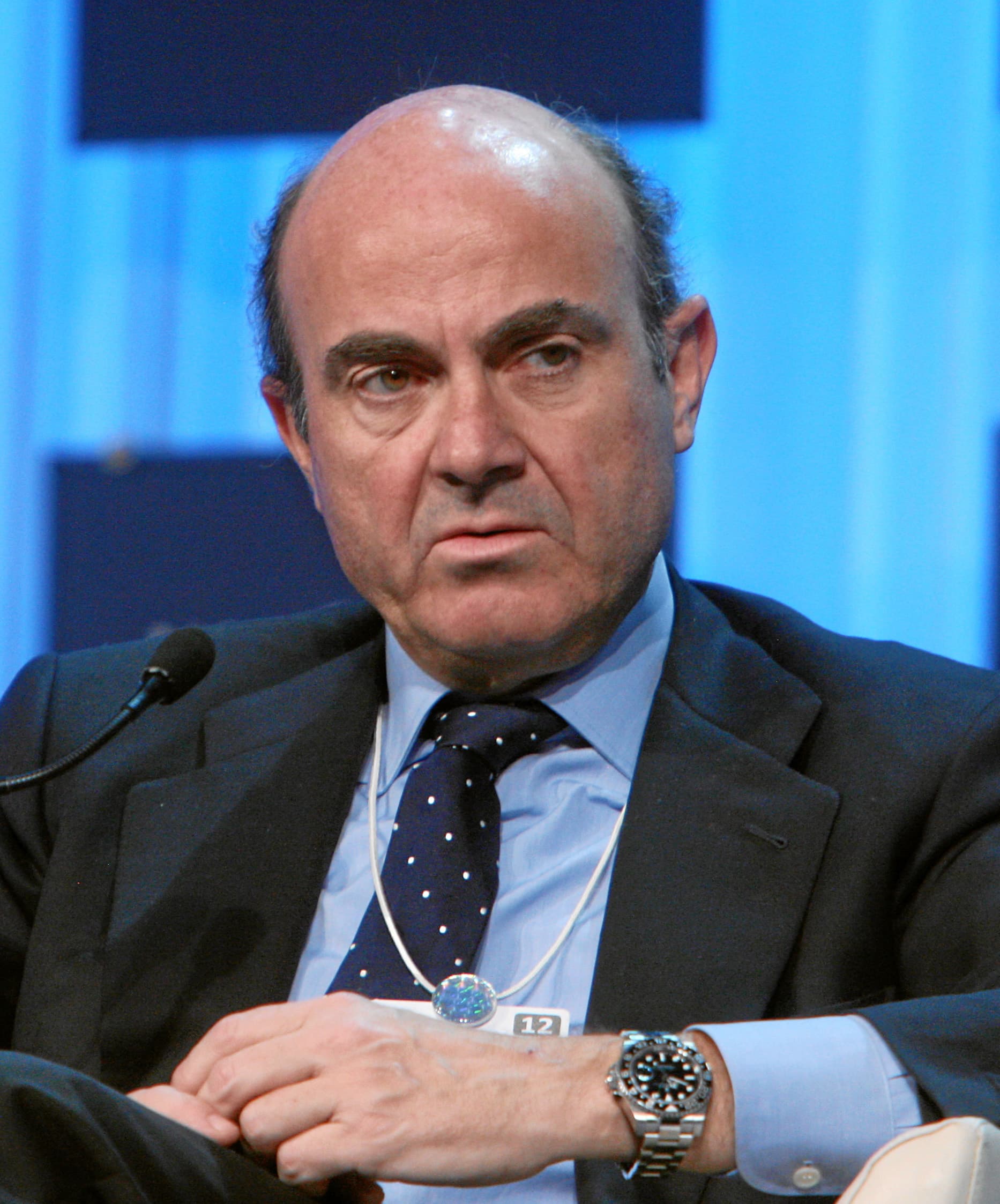
De Guindos stopped short of an explicit endorsement, but his message was unmistakable: Spain should remain inside the ECB’s inner circle, and the presidency should not be beyond reach. For smaller euro-area states that have long argued the bloc’s biggest economies dominate its institutions, the coming appointments will be a test of how power is shared inside Europe’s most important economic body.
This article was produced by Prism’s automated news system from verified source data, official records, and press releases, then run through automated quality and moderation checks before publishing. The system is built and supervised by the people who set the standards it runs under. Read our full AI policy.
Did this article answer your question?


