Insurgency Threatens U.S.-Backed Mining Ambitions in Pakistan
U.S. plans to tap Pakistan’s minerals are colliding with Balochistan’s insurgency, forcing Barrick to slow Reko Diq and reopen its security calculus.
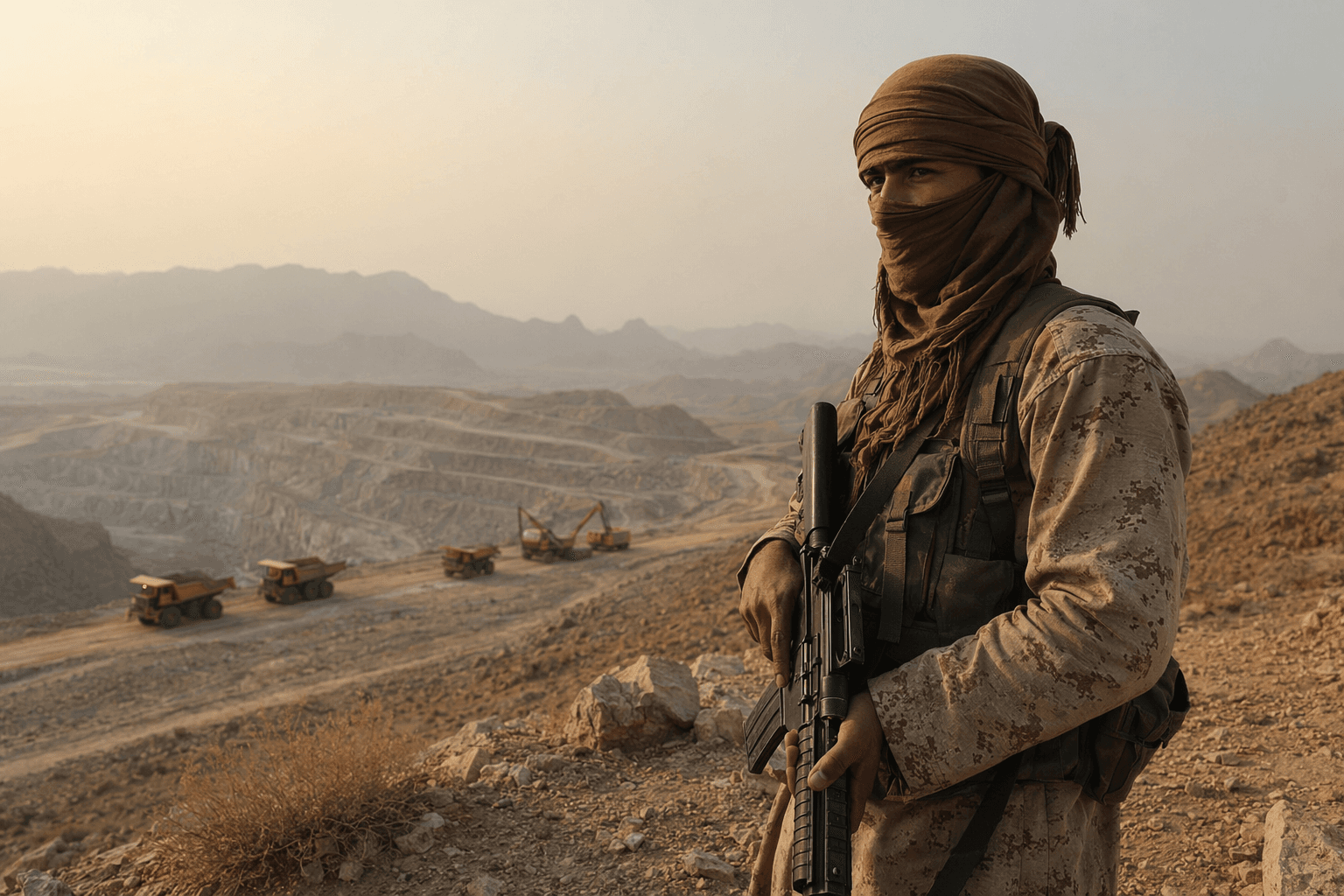
U.S. hopes of anchoring a new critical-minerals supply chain in Pakistan are colliding with an old insurgency in Balochistan, where security fears have pushed Barrick Mining Corporation to slow work on the Reko Diq copper-and-gold project. The mine has been cast in Washington as a showcase for U.S. equipment and service providers, but the project now sits inside a province where militant violence has repeatedly undercut development and foreign investment.
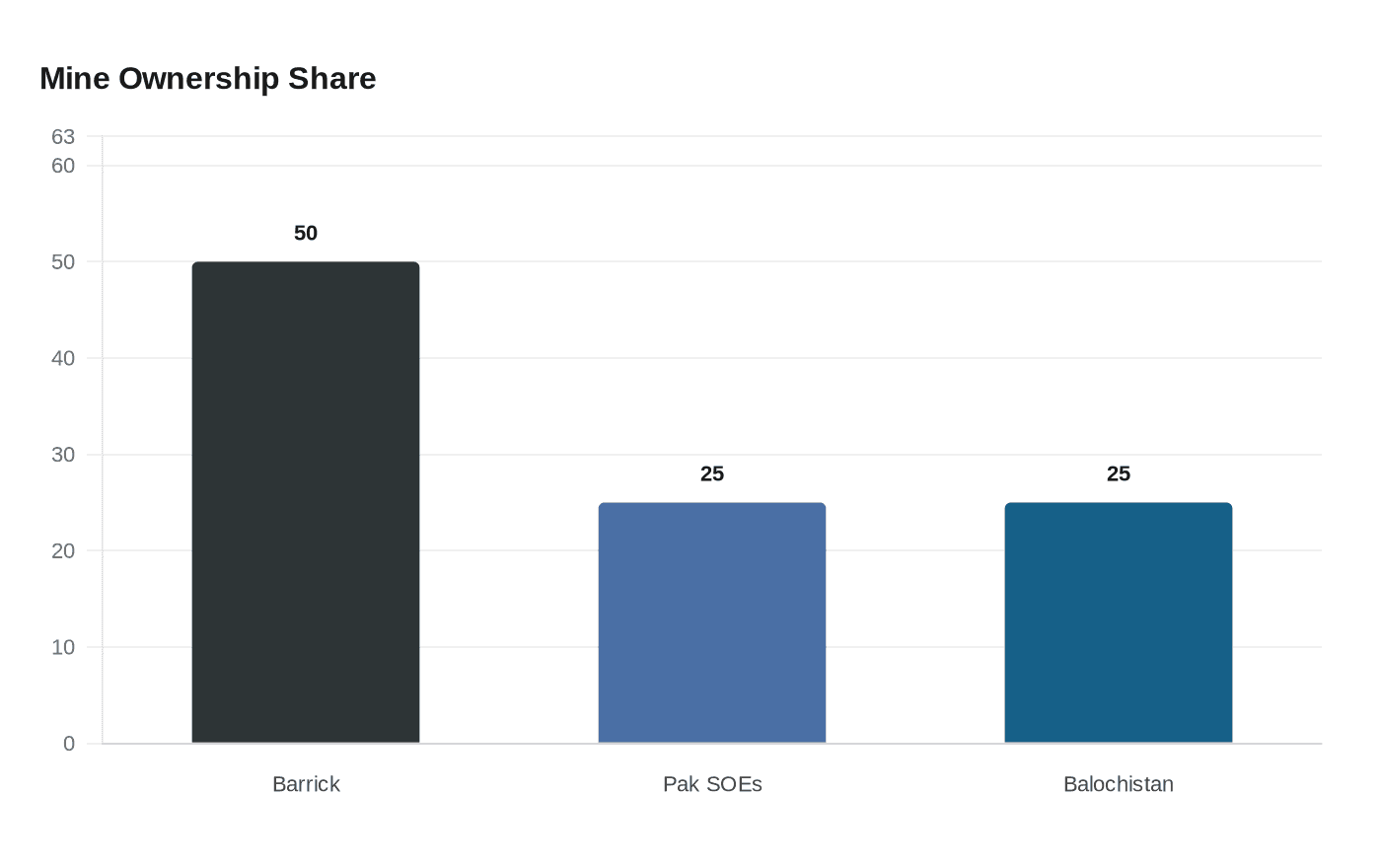
Barrick and its partners approved an updated feasibility study for Reko Diq in April 2025 and still aimed to begin first production by the end of 2028. That plan depended on a massive buildout: previously disclosed Phase 1 capital costs of $5.6 billion to $6.0 billion, with Phase 2 estimated at $3.3 billion to $3.6 billion. Barrick also selected Fluor Corporation as the project’s engineering, procurement and construction management partner, with equipment and services to come from firms including Metso, Weir and Komatsu. The mine is owned 50% by Barrick, 25% by Pakistan’s three federal state-owned enterprises and 25% by the Government of Balochistan.
By April 2, 2026, Barrick said it was reviewing Reko Diq because of escalating security risks and increased security incidents in Pakistan and the region. The company later said it would slow development activity and continue the review until mid-2027, while warning that capital costs and the timeline could rise significantly. Barrick has said the project remains economically viable under revised assumptions, even as it reduced spending and delayed financing closing. The uncertainty matters because the project is not just a mine. It is one of the clearest tests of whether Pakistan can turn mineral wealth into a bankable investment story.
Washington has leaned into that effort. The State Department said in its 2025 investment climate statement that Pakistan’s Special Investment Facilitation Council is focused on developing the country’s critical minerals and mining sector. It also hosted an event highlighting Reko Diq as an opportunity for U.S. mining equipment and service providers to participate in a major copper and gold project. But the same year, the United States designated the Balochistan Liberation Army and its Majeed Brigade alias as a Foreign Terrorist Organization, underscoring the security risks around the province.
That tension runs deeper than one project. The State Department has identified the BLA and ISIS-K among major terrorist groups operating in Pakistan, and separatist violence has long been concentrated in Balochistan and Sindh. In Chagai district, where Reko Diq is located, insurgents have framed resource extraction as exploitation rather than development. For Washington, the question is no longer whether Pakistan has mineral potential. It is whether any partner can protect the ground long enough to turn that potential into a supply chain.
This article was produced by Prism’s automated news system from verified source data, official records, and press releases, then run through automated quality and moderation checks before publishing. The system is built and supervised by the people who set the standards it runs under. Read our full AI policy.
Did this article answer your question?