Trump reviews Iran’s 14-point peace proposal as tensions rise
Trump said he was reviewing Iran’s 14-point proposal as shipping talks collided with fresh U.S. arms sales and soaring energy costs.
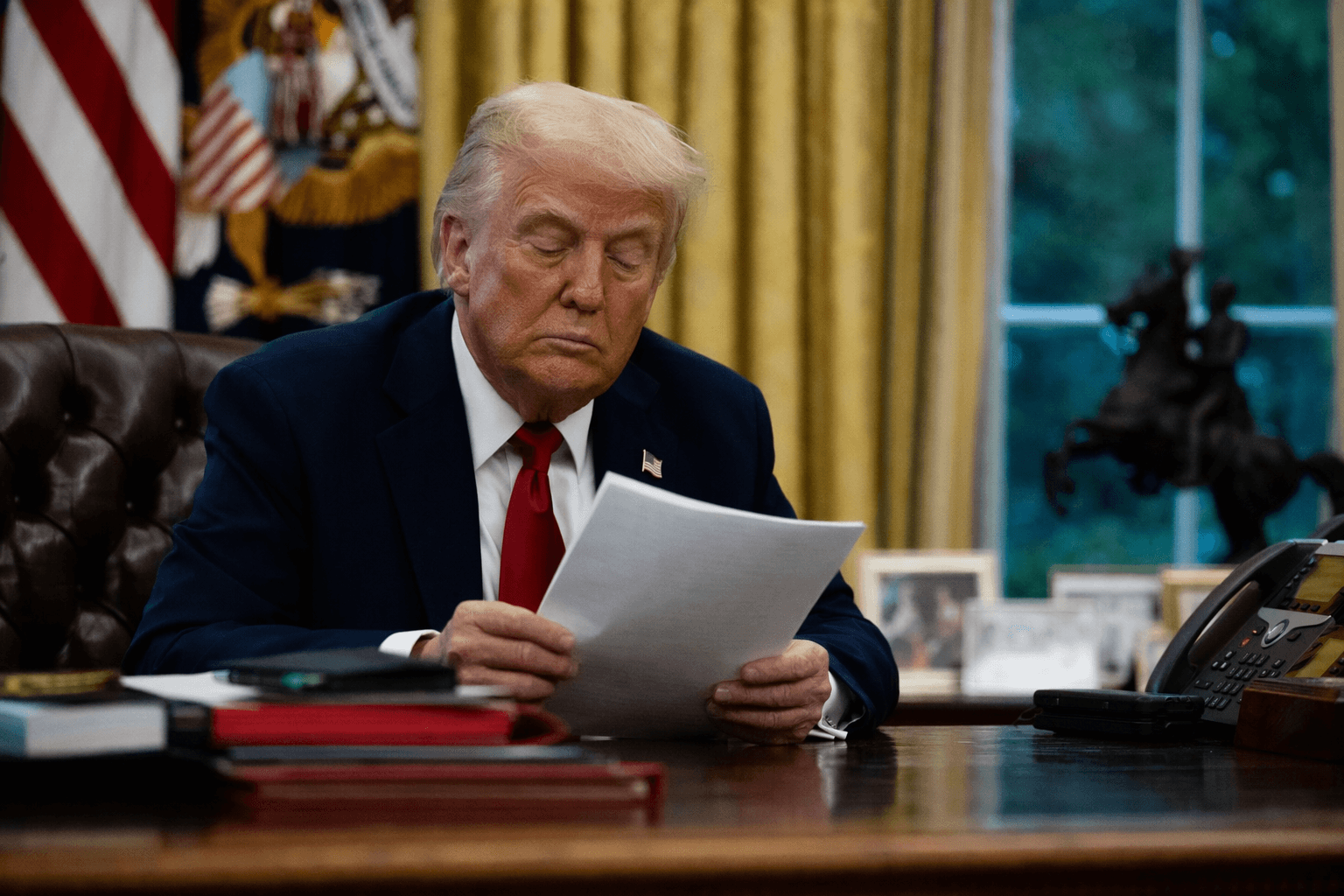
Donald Trump said he was reviewing a new Iranian proposal on Saturday and would receive the “exact wording,” a sign that diplomacy was still moving even as Washington kept pressure on Tehran through expanded arms sales to regional allies.
The proposal, sent through Pakistan, was a 14-point response to a nine-point U.S. plan, according to Iranian outlets. Its central sequencing was clear: shipping in the Strait of Hormuz would reopen first, the U.S. blockade on Iranian ports would end, and nuclear negotiations would be pushed to a later phase. That order put immediate relief for global trade ahead of the harder question that has stalled every recent round of talks, whether Iran would have to curb its nuclear program before sanctions relief or a broader ceasefire.
Trump said he was “not satisfied” with Iran’s latest proposal and suggested Tehran had not “paid a big enough price,” signaling that his review did not amount to acceptance. Iranian Deputy Foreign Minister Kazem Gharibabadi pushed the burden back onto Washington, saying “the ball is in the United States’ court.” Abbas Araghchi, Iran’s foreign minister, has also been briefing European officials, including EU foreign policy chief Kaja Kallas, while Pakistan remained the channel moving messages between the two sides.
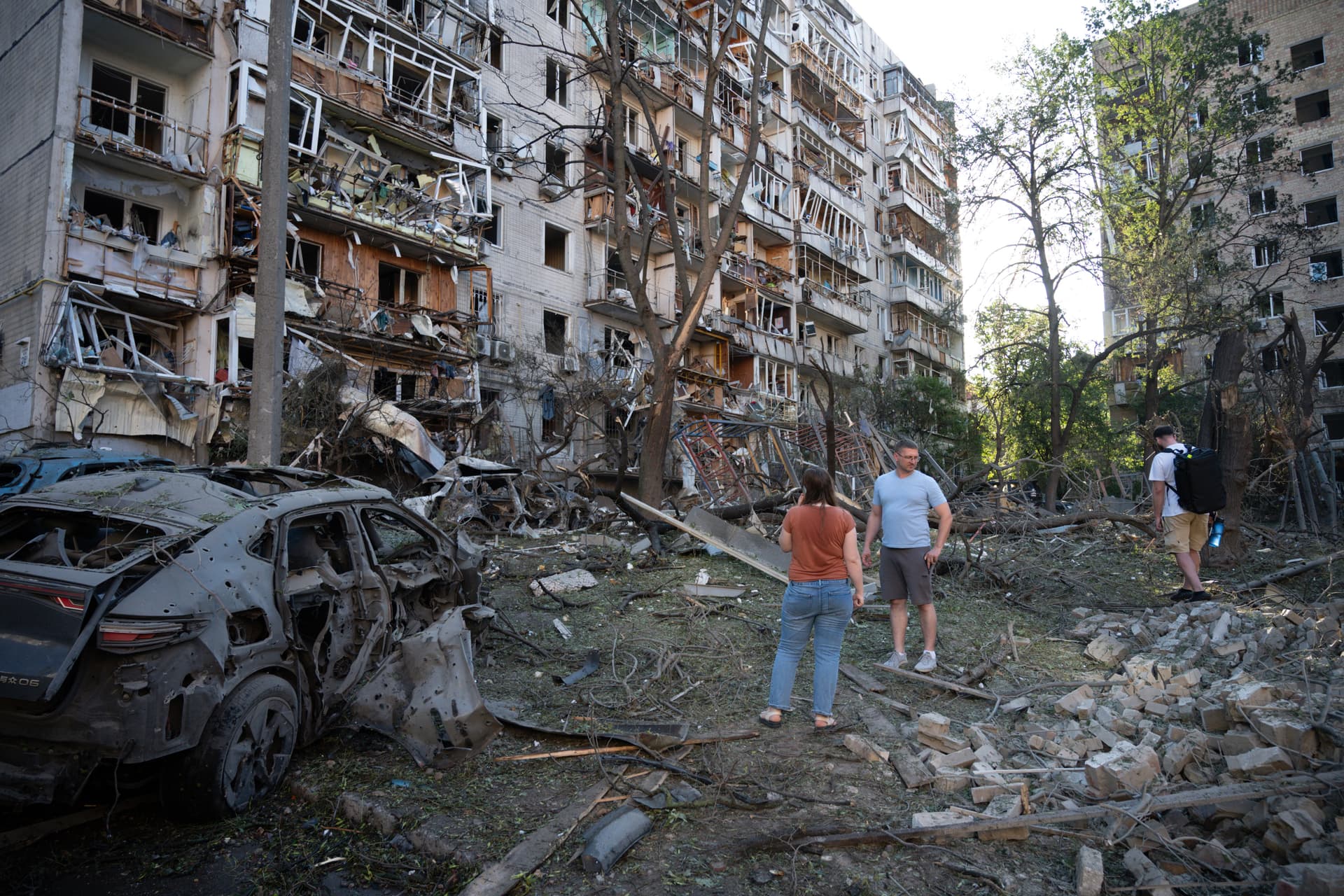
The stakes were not limited to nuclear diplomacy. The Strait of Hormuz is a critical energy chokepoint, carrying about one-fifth of the world’s oil and natural gas shipments in peacetime. The war had already caused the biggest disruption ever to global energy supplies, with U.S. gas prices reaching $4.18 a gallon and Brent crude rising above $111 a barrel during the crisis. Iran has been blocking nearly all shipping from the Gulf apart from its own for more than two months, while the United States imposed its own blockade on ships from Iranian ports last month.
The exchange also unfolded against a parallel show of force. The U.S. State Department fast-tracked $8.6 billion in arms sales to Israel, Qatar, Kuwait and the United Arab Emirates under emergency powers, bypassing normal congressional review. Earlier reporting said more than $15 billion in emergency weapons sales to some Middle East partners had already been approved in March, deepening the sense that Washington was preparing for pressure as much as for compromise.
The bombing of Iran by the United States and Israel had been suspended about four weeks before the latest report, after the conflict began with joint strikes in February and a fragile ceasefire was mediated by Pakistan on April 8, 2026. For now, the Iranian proposal looked less like a final peace plan than a bid to break the deadlock by reopening sea lanes first and leaving the nuclear issue for later.
This article was produced by Prism’s automated news system from verified source data, official records, and press releases, then run through automated quality and moderation checks before publishing. The system is built and supervised by the people who set the standards it runs under. Read our full AI policy.
Did this article answer your question?