Trump's Iran Escalation Risks Wider War, Oil Shock, Constitutional Crisis
Trump’s Iran escalation has moved from deterrence to direct conflict, putting oil flows, allied trust, and Congress’s war powers on the line.
Trump’s Iran escalation is no longer a pressure campaign
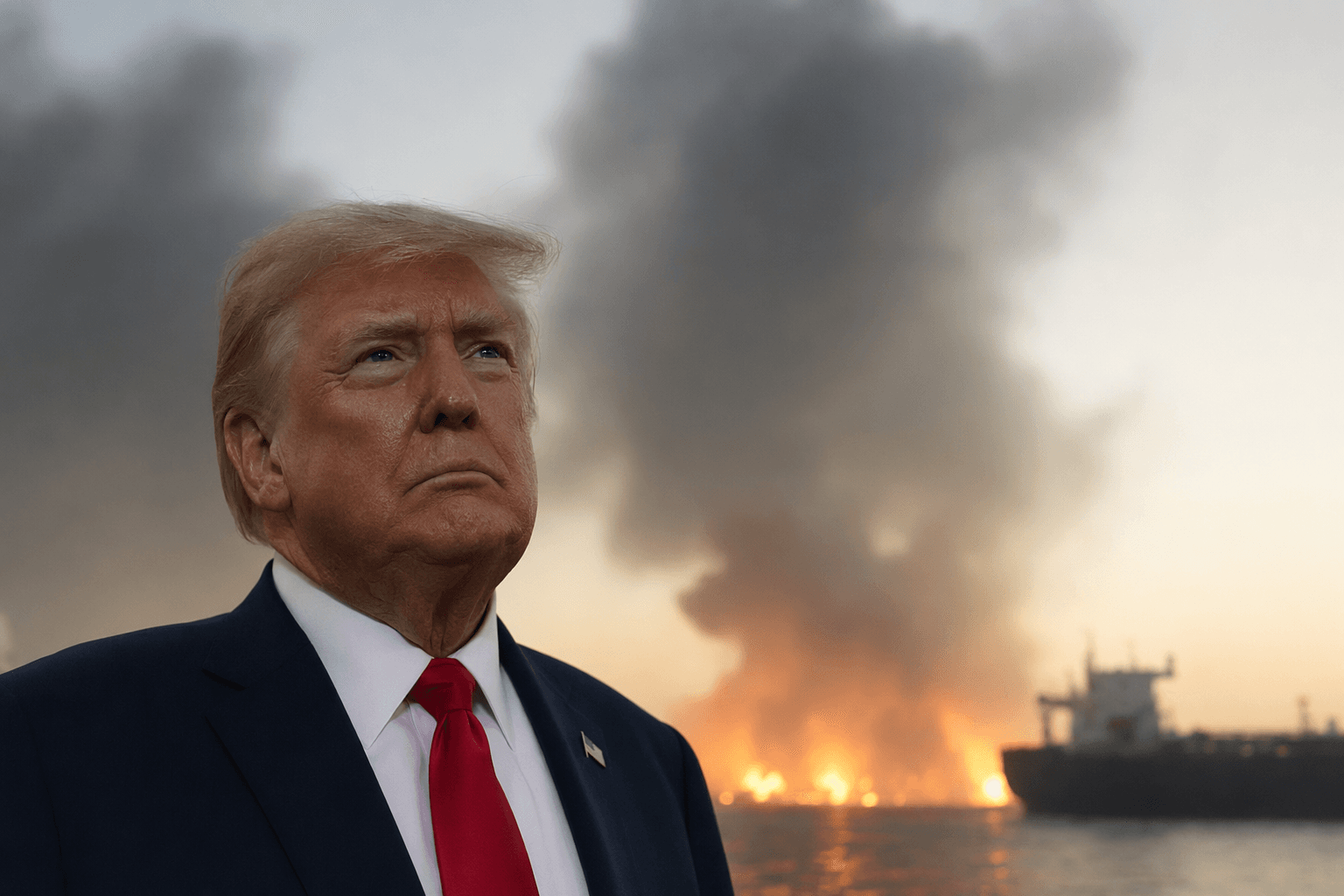
Donald Trump’s confrontation with Iran has crossed into a far more dangerous phase, turning a long-running sanctions and nuclear standoff into a direct military test with consequences far beyond Tehran. The United States and Israel launched coordinated strikes on Iran on February 28, 2026, and Iran answered with missile and drone attacks against Israel, U.S. military installations, and other regional targets. That exchange has widened the strategic stakes: Washington now risks a broader Middle East war, a shock to global energy markets, and a domestic legitimacy crisis if the public sees force outrunning law and diplomacy.
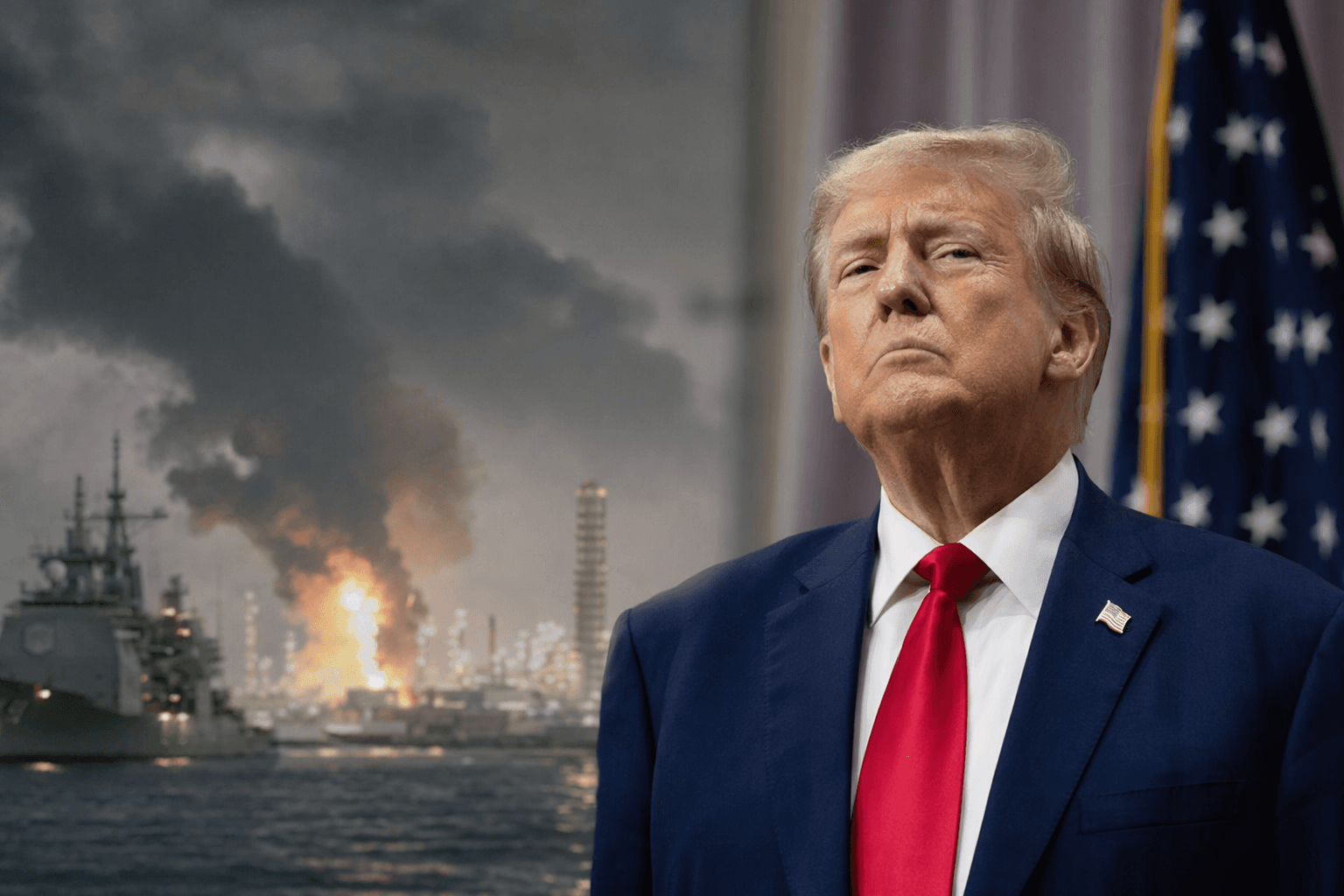
The central question is no longer whether Trump can force Iran to the table. It is what the United States stands to lose if escalation becomes the governing strategy. Allies may conclude Washington is willing to normalize preventive war. Deterrence could weaken if adversaries see U.S. red lines as improvised rather than credible. And at home, a conflict that stretches past congressional oversight would intensify a war-powers fight that Congress has been debating for years.
What escalation buys, and what it could destroy
Trump’s approach promises leverage, but it also carries steep trade-offs. A harder military line may appear to restore deterrence after years of sanctions, sabotage, and nuclear brinkmanship. Yet the response from Iran shows how quickly force can create reciprocal pressure across the region, not just on the battlefield but in diplomacy, energy routes, and civilian life. The Strait of Hormuz remains the most obvious flashpoint, because any disruption there threatens oil shipments that matter to households, hospitals, transit systems, and manufacturers far beyond the Gulf.
The social cost of that risk is not abstract. An oil shock would hit ordinary families first through higher fuel, food, and shipping costs, while also straining public institutions already operating under tight budgets. Hospitals, emergency services, and public transit systems all absorb fuel-price spikes quickly. What looks like strategic resolve in Washington can become a cost-of-living crisis in communities that have no voice in the war plan.
The legal and diplomatic fallout is already widening
The military strikes have also sharpened legal criticism. United Nations experts said the assaults risked catastrophic regional escalation and could set a precedent of impunity. The Office of the High Commissioner for Human Rights condemned the ongoing military assaults on Iran and Lebanon by the United States and Israel as flagrant violations of international law. That matters strategically because allies do not only judge whether the United States can hit targets. They judge whether Washington can still claim the moral and legal authority it asks others to respect.
Trump’s own record makes that harder. He withdrew the United States from the 2015 Joint Comprehensive Plan of Action during his first term, then imposed crippling sanctions that shaped the atmosphere of distrust around later talks. Iranian diplomacy has been marked by that memory ever since, including during the periods associated with Hassan Rouhani and later negotiations involving Abbas Araghchi. In that setting, a U.S. demand for a deal on Trump’s terms may satisfy a domestic political audience, but it also tells Iran that Washington can abandon agreements when politics change.
Three paths, three different kinds of loss
Escalation, compromise, and drift all carry costs, but they are not the same costs.
- Losing allied confidence if partners fear the United States is widening war before exhausting diplomacy.
- Weakening deterrence if Iran can absorb punishment and still retaliate across the region.
- Triggering an oil shock through threats to the Strait of Hormuz.
- Eroding domestic legitimacy if Americans see war expanding without a clear congressional mandate.
Escalation may project force, yet it risks:
Compromise could stop the bleeding, but it would also require Trump to accept limits. That means some combination of monitored restraints, sanctions relief, and face-saving language for Tehran. The trade-off is political: a deal may preserve stability, but it can look like backpedaling after force has already been used. Still, compromise is the only path that can reduce civilian risk, calm markets, and restore a modicum of international confidence.
Drift is the most deceptive option. A ceasefire can freeze the fighting without resolving the underlying dispute, leaving both sides armed, distrustful, and ready to resume pressure at the next trigger. Reports in late April said a U.S.-Iran ceasefire had “terminated” hostilities for purposes of a congressional war-powers deadline, which shows how legal clocks can move faster than political settlement. Drift may lower the immediate temperature, but it leaves the United States exposed to a renewed crisis with no clearer exit.
Congress is not a spectator
Congress has long played a major role in shaping U.S. policy toward Iran, especially on war powers and nuclear review. That role is now more than procedural. Congress.gov and the Congressional Research Service have said U.S.-Iran diplomacy and the responses of regional and global actors may prompt new issues, decisions, and debates for Congress. In practical terms, lawmakers are being forced to decide whether the executive branch can keep escalating first and explaining later.
That fight matters because constitutional legitimacy is part of deterrence. If the president acts without durable congressional backing, allies see a divided U.S. state and adversaries see an opening to wait out American politics. If Congress reasserts its authority too late, it may look like the legislature only checks war after the damage is done. The result is not just a legal argument in Washington. It is a signal to Tehran, to Israel, and to every regional actor watching whether American force is still bounded by law.
The ceasefire has not solved the larger problem
The early-April ceasefire reduced immediate combat, but it did not remove the structural risks. U.S. officials were still dealing with ceasefire questions and congressional war-powers deadlines in April, which means the conflict remains alive in both military and constitutional terms. Iran’s missile and drone retaliation, the strikes on U.S. installations, and the threat to regional shipping lanes all remain part of the strategic landscape.
That is why the most consequential issue is not whether Trump can claim a tactical win. It is whether the United States can preserve alliance credibility, maintain deterrence, and keep domestic institutions intact after moving from coercion to open conflict. If Washington chooses escalation without a lawful and durable political strategy, it may gain a short burst of leverage and lose far more lasting assets: trust, restraint, and the capacity to shape events without making them worse.
This article was produced by Prism’s automated news system from verified source data, official records, and press releases, then run through automated quality and moderation checks before publishing. The system is built and supervised by the people who set the standards it runs under. Read our full AI policy.
Did this article answer your question?