Trump says new strikes on Iran possible if Tehran misbehaves
Trump dangled fresh strikes on Iran while reviewing a 14-point response that would reopen the Strait of Hormuz and postpone nuclear talks.
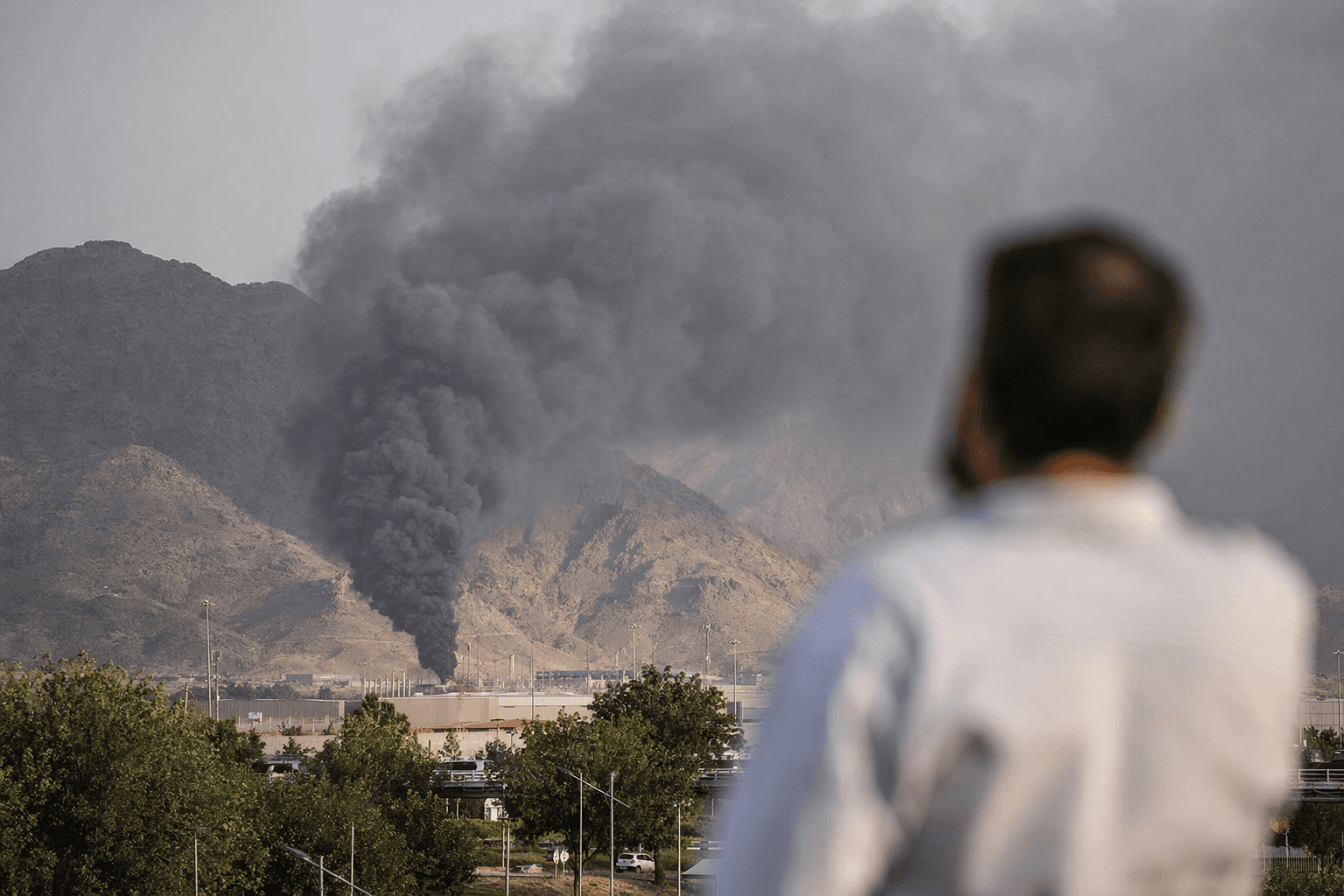
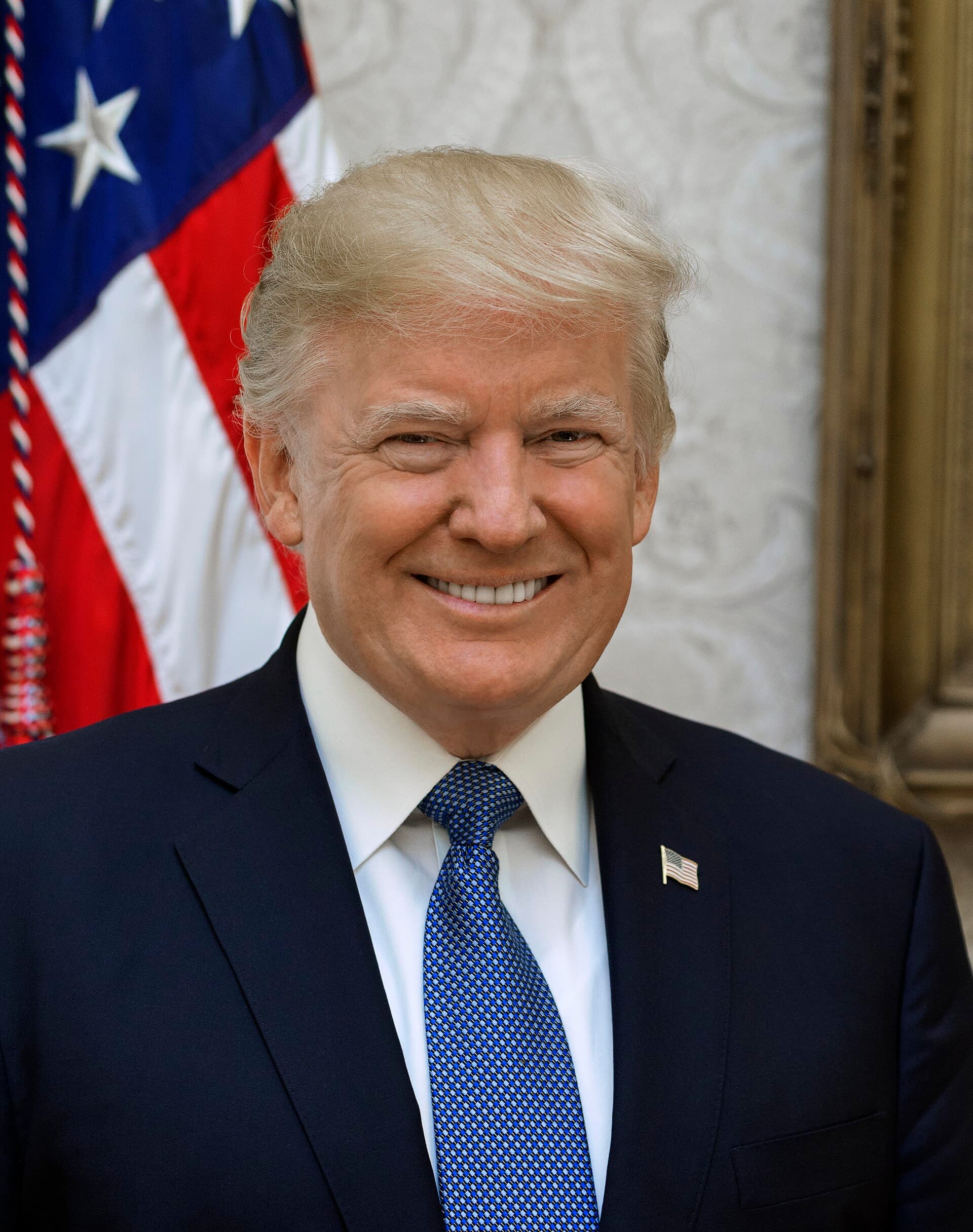
Donald Trump kept military pressure on Iran alive on Saturday, saying renewed strikes were still possible if Tehran “misbehaves” or does something bad. Speaking to reporters before boarding Air Force One at Palm Beach International Airport in West Palm Beach, Florida, Trump said he had been told about the “concept” of a deal from Iran, but was still waiting for the exact wording.
The warning sharpened an already volatile standoff over whether Washington and Tehran can separate maritime de-escalation from the nuclear file. Iranian media said Tehran had sent a 14-point response through Pakistani intermediaries, with a plan that would reopen the Strait of Hormuz and end the U.S. blockade of Iran while putting nuclear talks off for later. Trump also suggested Iran had not “paid a big enough price” yet, a line that suggested the threat of force remains part of his negotiating posture.
What “misbehaves” means is the central question. It could refer to any Iranian move that threatens shipping in the Persian Gulf, stalls the proposed maritime pause, or revives nuclear work that Washington sees as a step toward breakout. It could also mean a refusal to accept terms that leave the United States with leverage over both the Strait of Hormuz and the pace of talks. In practice, that gives Trump wide discretion to decide whether diplomacy has failed and whether new strikes should begin.
The backdrop is the June 2025 U.S. assault on Iran’s nuclear infrastructure, which targeted Fordow, Natanz and Isfahan. The strike package used seven B-2 stealth bombers, 14 Massive Ordnance Penetrators and submarine-launched cruise missiles, and it marked the first U.S. offensive action on Iranian territory since 1988 and the first U.S. offensive action against Iran since the 2020 killing of Qasem Soleimani. Those attacks were the only offensive U.S. action in the Twelve-Day War, which began with Israeli strikes on June 13, 2025 and ended with a ceasefire on June 24.
That history makes the new warning easy to read in multiple capitals. Allies are likely to hear a pressure tactic aimed at forcing Tehran to separate shipping from enrichment, while Iran is likely to see another attempt to extract concessions under threat of force. Congress may hear an invitation to another open-ended confrontation with no clear trigger beyond Trump’s judgment. Energy markets will focus on the Strait of Hormuz, where even short disruptions can ripple through oil prices, freight costs and insurance rates. Analysts have already warned that last year’s strikes likely delayed Iran’s nuclear program rather than ending it, which means the threat of another round is not theoretical.
This article was produced by Prism’s automated news system from verified source data, official records, and press releases, then run through automated quality and moderation checks before publishing. The system is built and supervised by the people who set the standards it runs under. Read our full AI policy.
Did this article answer your question?


