Pakistan’s Jaffar Express Keeps Running After Deadly Militant Attack
Militants seized the Quetta-to-Peshawar train, killed 21 hostages and triggered a 30-hour rescue. A week later, the Jaffar Express was back, under heavier guard.
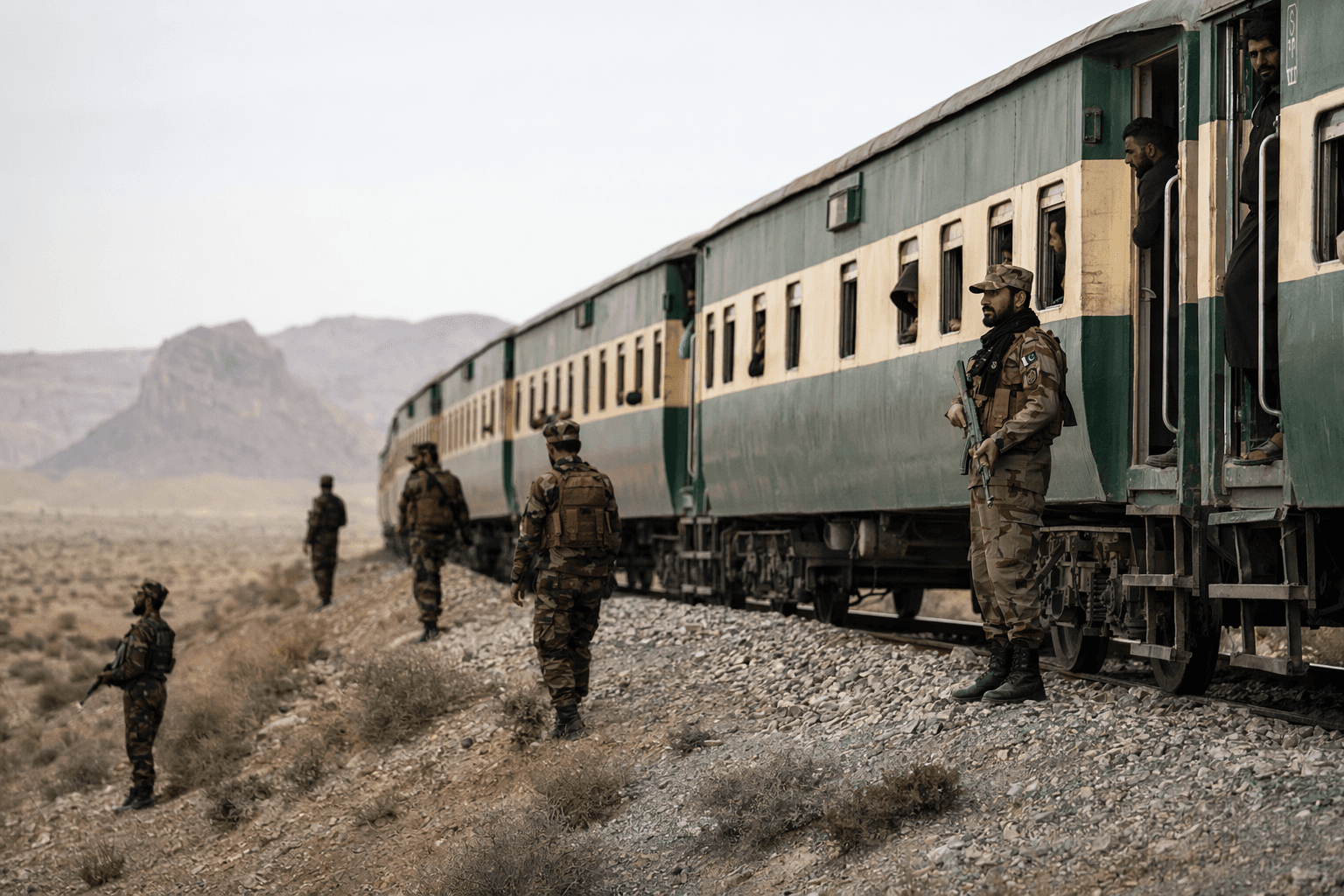
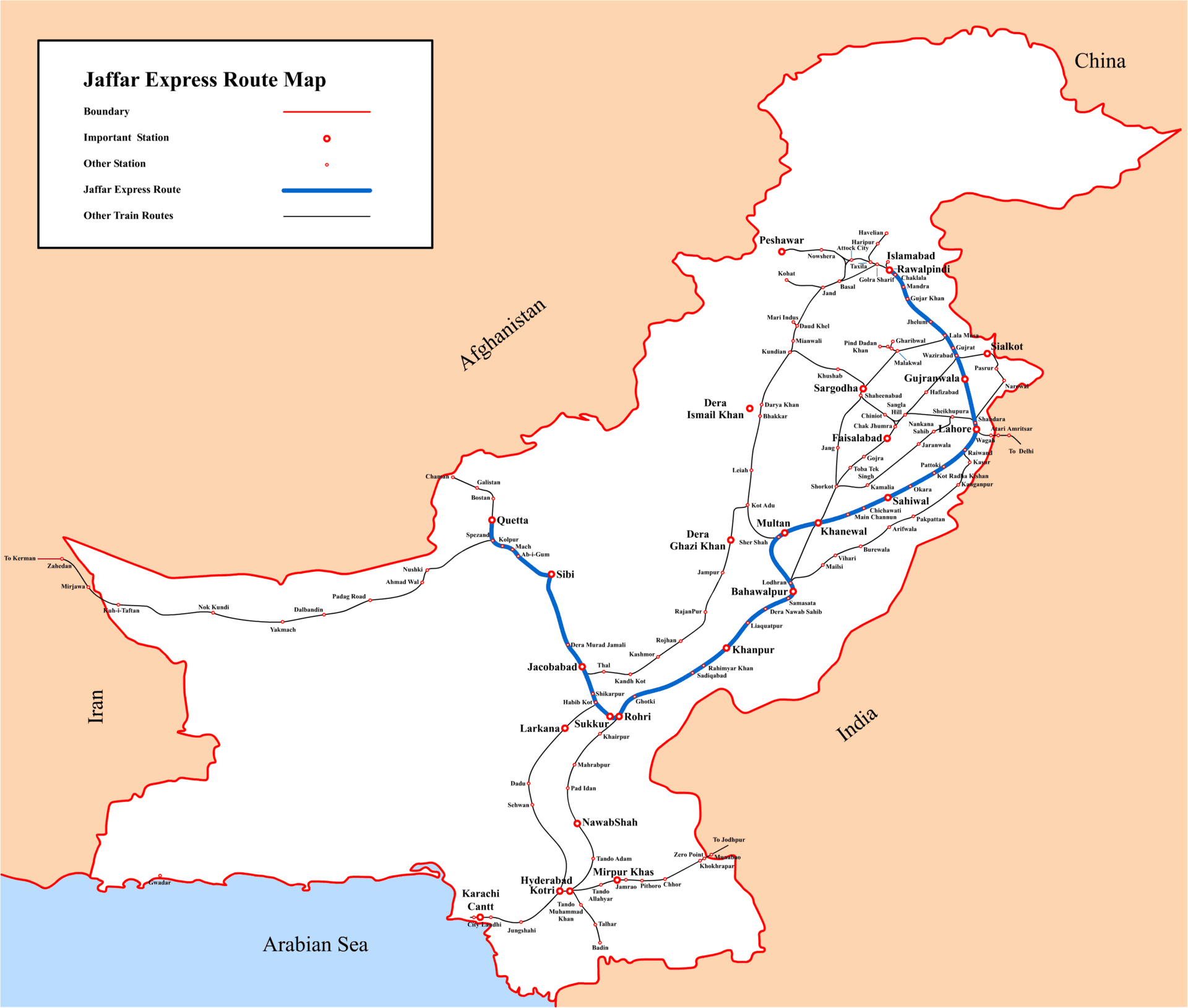
Pakistan put the Jaffar Express back on the rails a week after militants blew up track in Balochistan, hijacked the passenger train and turned a routine long-distance journey into a test of state control. The train, which links Quetta with Peshawar and takes more than 30 hours to cross remote terrain, resumed service on March 18 with visibly tighter security and a message that the route would not be abandoned.
The March 11 attack was the most serious strike yet on a line long seen as vulnerable to Baloch insurgent violence. Militants from the Balochistan Liberation Army destroyed part of the railway track in the Bolan, also known as Mushkaaf, area and seized a train carrying more than 400 people. Pakistan’s military said it rescued 346 passengers during the operation, while 33 attackers were killed. The Associated Press reported that 21 hostages died in the siege. The confrontation lasted about 30 hours and underscored how quickly armed groups can disrupt infrastructure in a province where the state’s reach remains uneven.
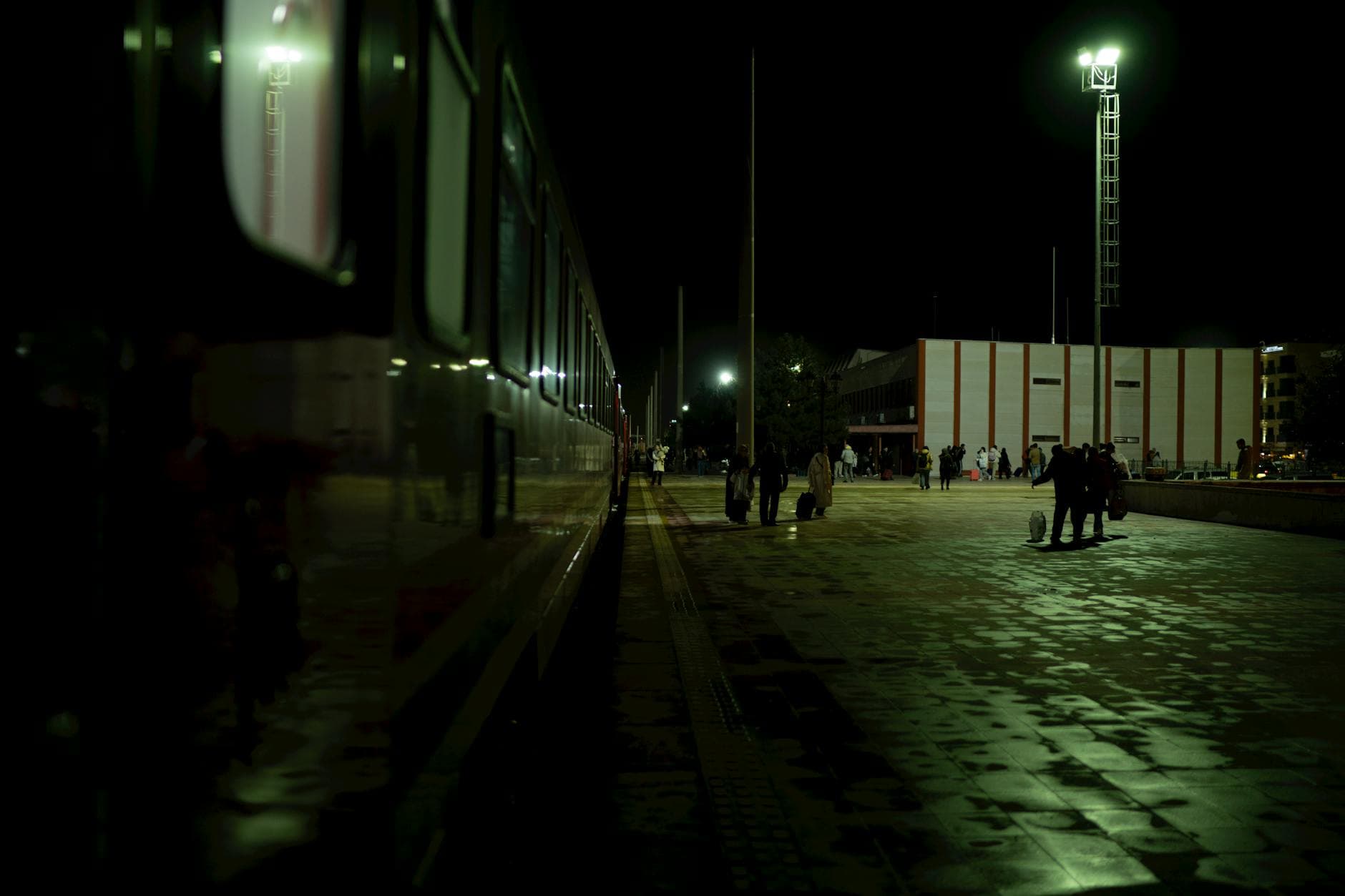
Railways Minister Hanif Abbasi announced the return of service after the attack, and Pakistan Railways paired the restart with stricter inspections and drone surveillance. On the first return trips, the train ran under heavier security, a visible attempt to reassure passengers and signal that the route through Balochistan would remain open despite the threat. The line’s reopening mattered because the Jaffar Express is not an isolated commuter train. It is a national artery running from a peripheral province, across mountainous country near Afghanistan and Iran, to Pakistan’s northwest.
That makes the train more than transport. It has become a measure of whether Islamabad can still connect and protect its own territory, especially in Balochistan, where separatist militants have spent years challenging the state over political representation and control of resources. The hijacking marked a major escalation in that insurgency, moving from roadside bombings and ambushes to the seizure of a passenger train carrying hundreds of civilians.
The decision to restore the service so quickly was therefore political as well as practical. Keeping the Jaffar Express running showed a government determined not to let militants dictate the map, even as the attack exposed how fragile rail security remains in Pakistan’s periphery.
Know something we missed? Have a correction or additional information?
Submit a Tip