Iran Keeps Hard Line on Nuclear Talks as U.S. Navy Tightens Blockade
Tehran has kept its nuclear and Hormuz demands intact, even as the U.S. Navy forced 27 vessels off course and Iran signaled it was ready for war again.
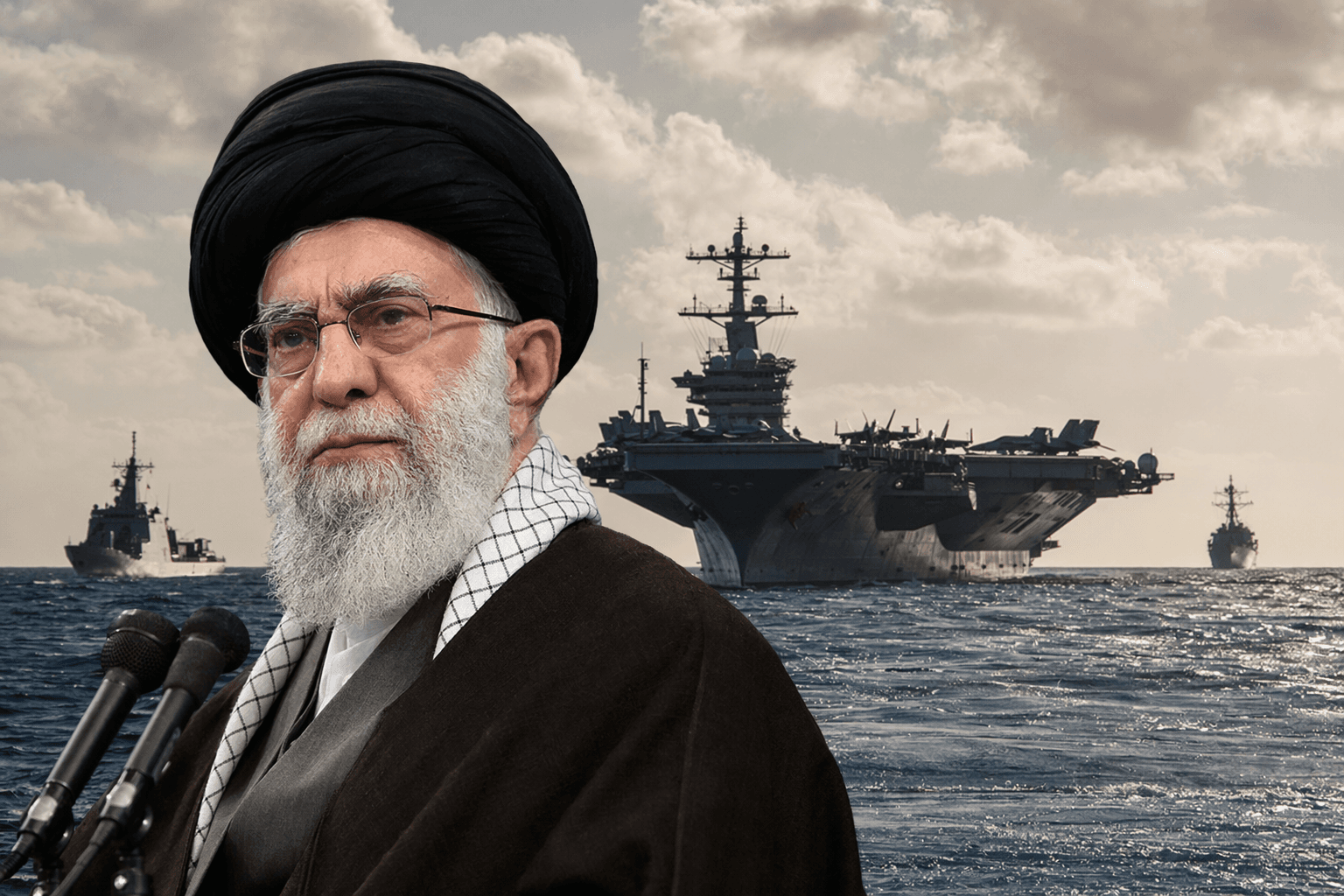
Iran has kept its bargaining position fixed on two issues that matter most for escalation: control of the Strait of Hormuz and the future of its nuclear program. That rigidity lands at a dangerous moment, with the ceasefire that began on April 8 still fragile and U.S.-Iran negotiations that opened in Islamabad on April 11 still searching for a formula that can stop the next round of fighting.
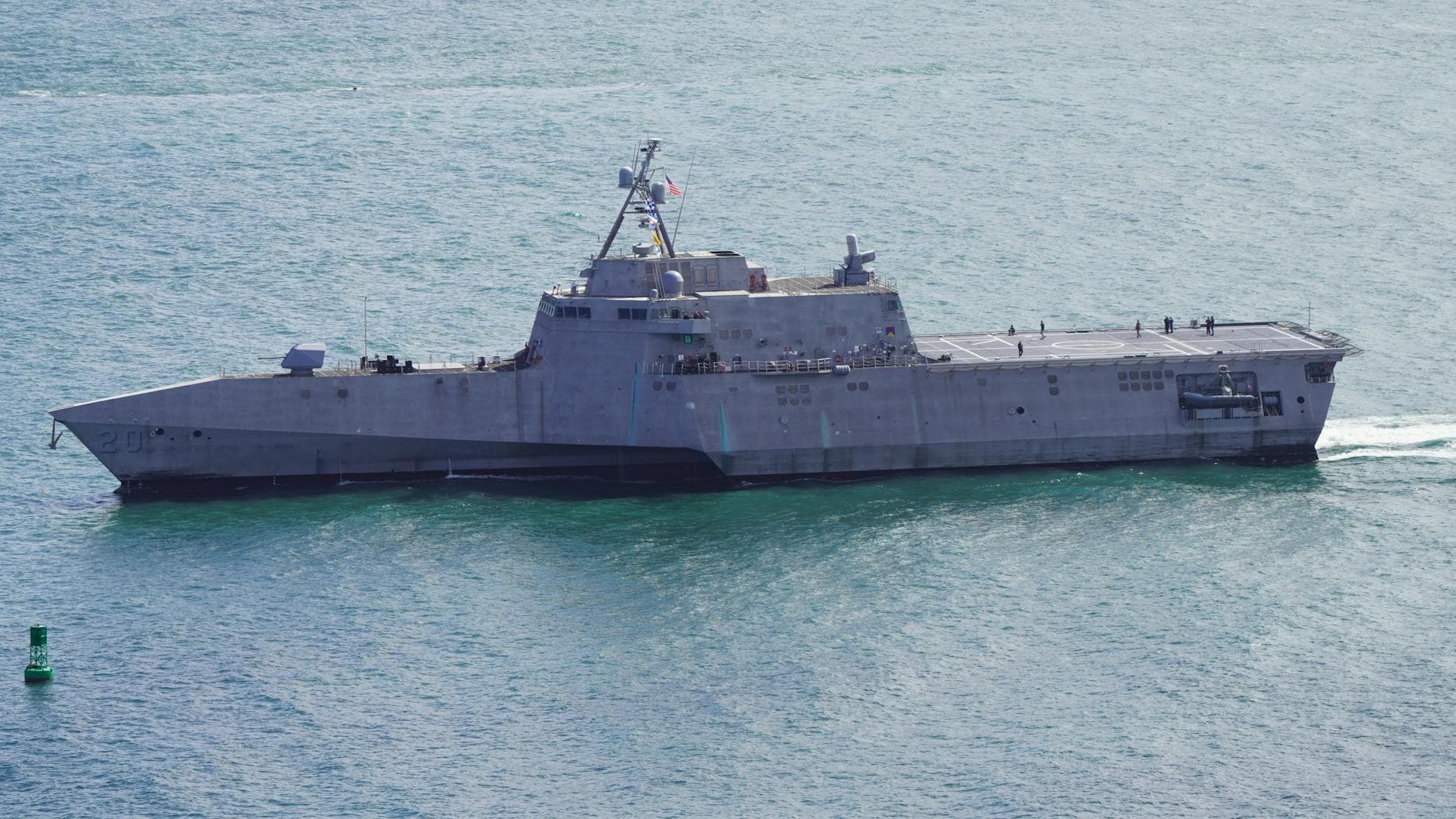
The maritime pressure is already tangible. The U.S. Navy has been enforcing a blockade of Iranian ports, and 27 vessels have been directed to change course since it began. The seizure of the Iranian-flagged cargo ship Touska on April 19 showed that the blockade is not just a warning signal but an active military constraint. For Washington, that raises the risk of an at-sea encounter. For Tehran, it keeps the Strait of Hormuz at the center of every negotiation, because the waterway remains one of Iran’s few leverage points over global energy flows.
The diplomatic track has not eased those stakes. Donald Trump said on May 1 that he was not satisfied with Iran’s latest proposal, after Iranian media reported a new plan sent through Pakistani mediators on April 30. That proposal, described in regional coverage on May 3, called for non-aggression guarantees, an end to the naval blockade and a broader end to the war, including in Lebanon. But U.S. envoy Steve Witkoff had already sent amendments on April 27 requiring nuclear issues to remain in the draft and barring Iran from moving enriched uranium out of bombed facilities or restarting activity there while talks continued. The result is a narrow and highly technical dispute over uranium, sequencing and sanctions relief, not a real narrowing of the gap.
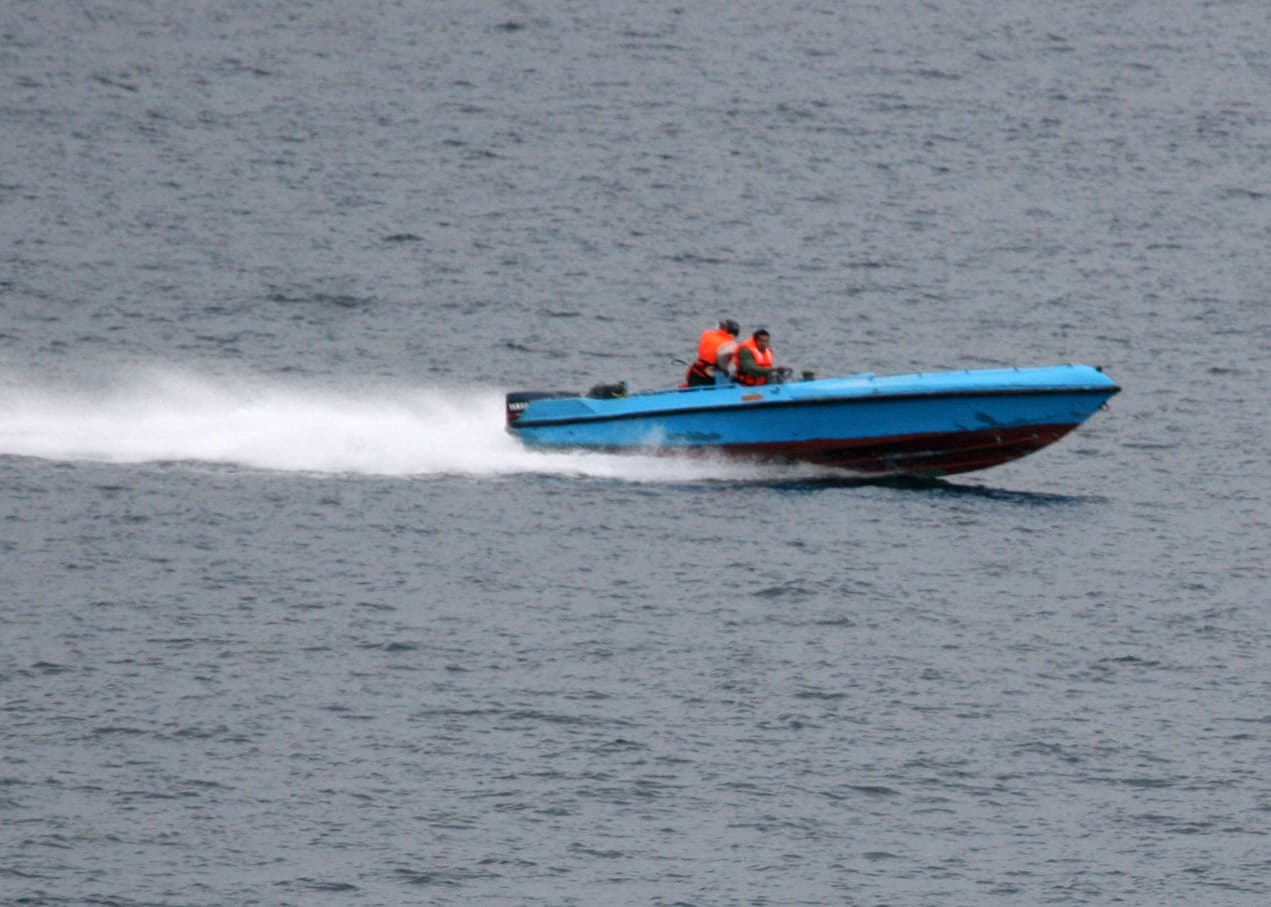
Inside Iran, the struggle over whether to compromise appears unresolved. Earlier ISW reporting said IRGC Commander Major General Ahmad Vahidi appeared to have the upper hand over Parliament Speaker Mohammad Bagher Ghalibaf, with the fight centered on whether to negotiate with Washington, whether to move or preserve enriched uranium from bombed sites, and how to sequence the talks. Al Jazeera separately reported that the IRGC said it was on standby for a return to war with the U.S. and believed renewed hostilities were likely. With fighting in Lebanon still pushing the regional death toll higher and ACLED recording more than 660 conflict events and at least 41 deaths across Gulf states, the risk is no longer limited to the nuclear file. It now extends to shipping lanes, proxy fronts and the possibility that one more interception turns a ceasefire into a wider war.
This article was produced by Prism’s automated news system from verified source data, official records, and press releases, then run through automated quality and moderation checks before publishing. The system is built and supervised by the people who set the standards it runs under. Read our full AI policy.
Did this article answer your question?


