Germany raises security posture to high threat level amid growing risks
Germany moved from an abstract threat level to a high threat level, with Alexander Dobrindt warning that attack plans are clearly identifiable and risk can strike anytime.

Germany raised its security posture to a “high threat level” on July 18, after Interior Minister Alexander Dobrindt said the move was driven by increasing reports and intelligence. The shift means more than a tougher phrase in a briefing: airports, rail hubs, government buildings, major festivals and other crowded sites are likely to face tighter screening, heavier police presence and closer coordination between security agencies.
Dobrindt framed the change as a broad response, not a reaction to one attack or arrest. He said Germany “must be prepared for the risk of terrorist attacks at any time,” and added that attack plans were “clearly identifiable.” That language points to a security picture shaped by several overlapping dangers at once, including Islamist extremism, right-wing militancy, espionage, cyber intrusions and fears of sabotage linked to foreign actors.
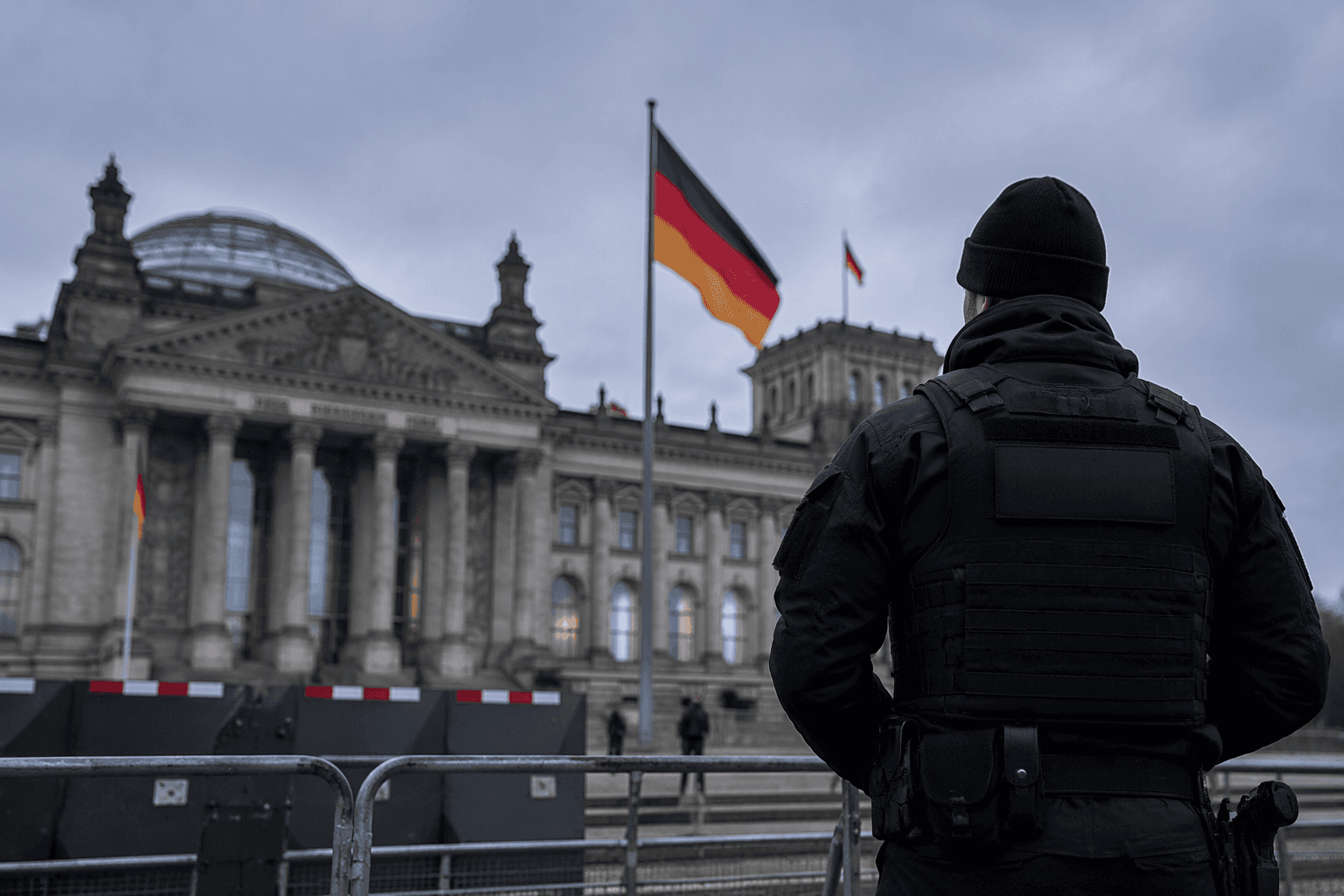
The warning fits the substance of the federal government’s 2025 Report on the Protection of the Constitution, which Dobrindt presented in Berlin on June 30. The report organizes the threat landscape around politically motivated crime, antisemitism tied to the Middle East conflict, the impact of Russia’s war against Ukraine, right-wing extremism and terrorism, and the Reichsbürger movement and similar groups. For travelers and organizers of public events, that mix translates into more bag checks, more visible patrols and a lower tolerance for any security gap at transport nodes or large gatherings.
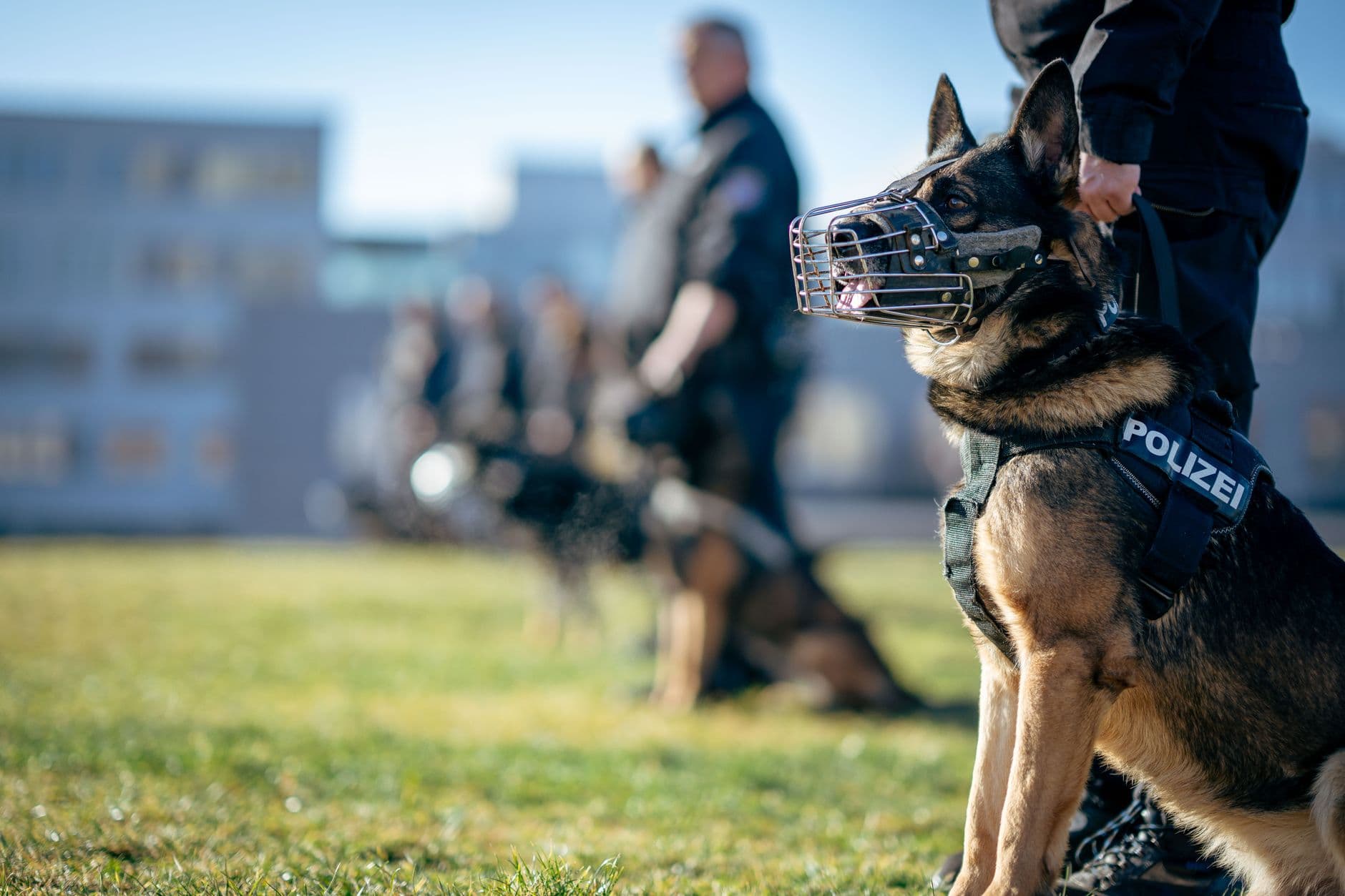
The posture change also reaches beyond policing. Reuters-linked social posts indicated that the German Interior Ministry has called for civil defence training in schools and urged citizens to stockpile food, water and essentials, a sign that Berlin is pushing a wider resilience campaign alongside the sharper alert level. That matters in a country where voters have grown more sensitive to internal security, border control and the risk of disruption from both domestic extremists and foreign-backed threats.

Taken together, the move places Germany squarely in a wider Western security environment where terrorism, cyber defense and hybrid threats are treated as persistent risks, not one-off shocks. The government is signaling that the threat picture has changed, and that public life will increasingly be organized around that assumption.
This article was produced by Prism’s automated news system from verified source data, official records, and press releases, then run through automated quality and moderation checks before publishing. The system is built and supervised by the people who set the standards it runs under. Read our full AI policy.
Did this article answer your question?