US completes ninth night of strikes on Iran as tensions rise
Nine nights of U.S. strikes came after the killing of American troops in Jordan, pushing the fight toward the Strait of Hormuz and raising fears of a broader regional war.
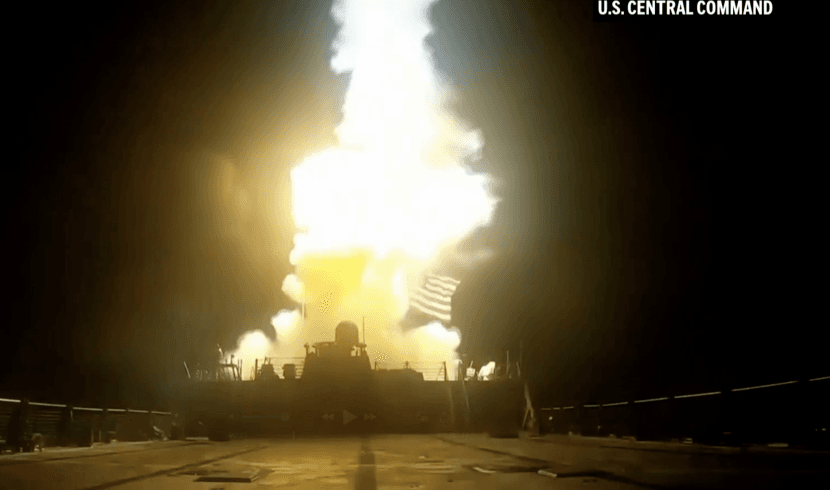
U.S. strikes on Iran entered a ninth straight night as the deaths of American troops in Jordan hardened the political and military calculus in Washington and made the conflict harder to contain. The latest attacks followed a cycle that began with retaliation for the killing of U.S. personnel and then widened into a campaign against Iranian targets, including the Revolutionary Guard and infrastructure linked to ports and bridges.
The escalation now centers on the Strait of Hormuz, where about one-fifth of global oil consumption passes. Congressional Research Service material warns that U.S. and Israeli military operations against Iran since February 2026, along with Iranian activity across the Persian Gulf, have already put oil and natural gas markets under strain. It also notes that Iranian forces declared on March 4 that they would target shipping tied to countries supporting the attacks, raising the risk that any strike on a tanker, escort vessel or port could pull in more regional actors.
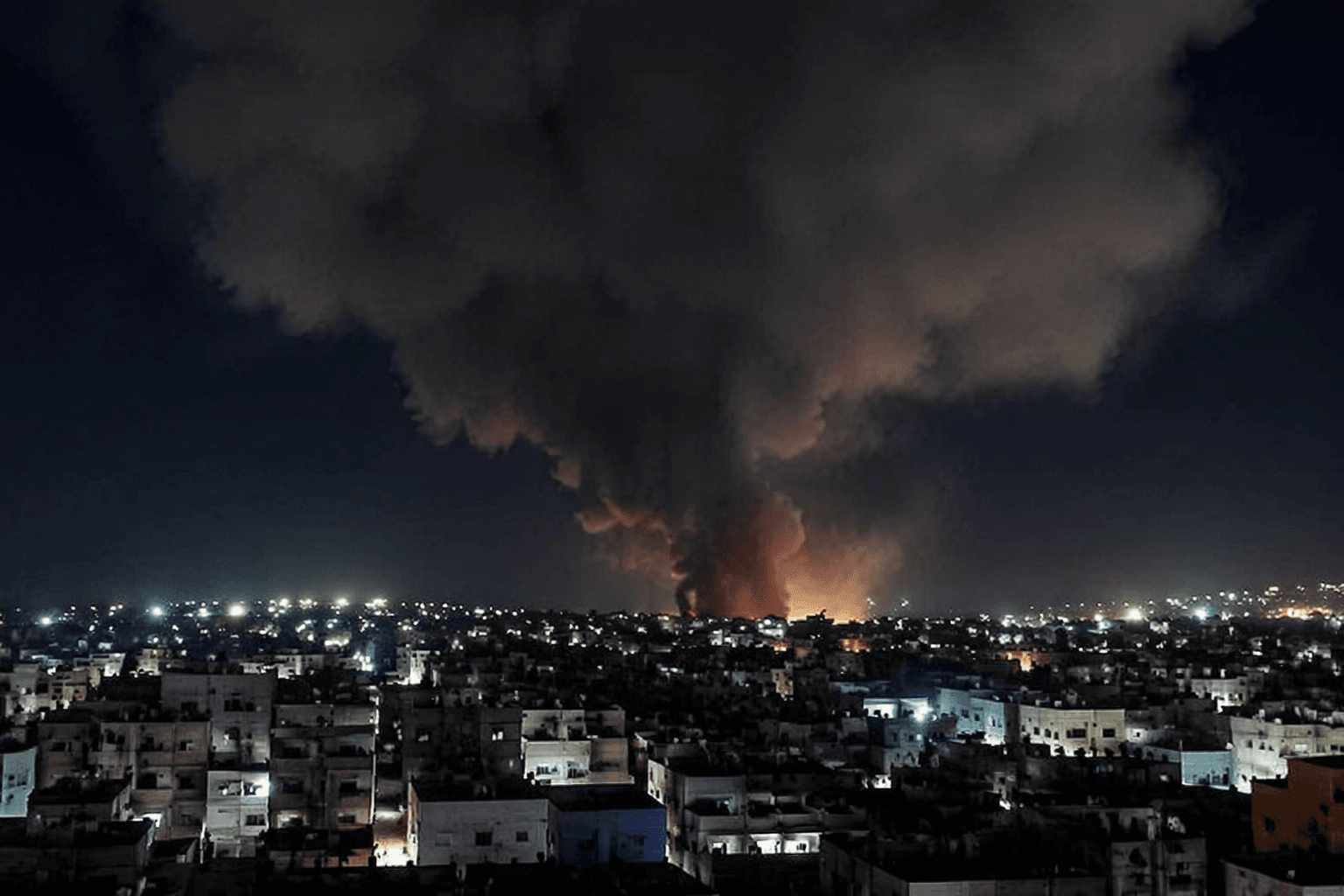
That makes the next several days critical in Washington, Tehran and allied capitals around the Gulf. The United States is weighing whether to keep hitting Iranian targets after two military personnel were killed by Iranian attacks, a step Reuters said directly prompted the renewed strikes. The Associated Press said the U.S. military launched airstrikes against Iran’s Revolutionary Guard in retaliation for the killing of American troops in Jordan, and that the interim deal aimed at ending the war had collapsed.
Iran, meanwhile, has options that could turn a limited campaign into a wider war. It could answer with more attacks on U.S. personnel, step up pressure on shipping through the Strait of Hormuz, or expand retaliatory strikes against Bahrain, Kuwait, Qatar, the United Arab Emirates or Oman. BBC reporting said Gulf states were angry and felt that “all red lines have been crossed,” while NPR said Iranian retaliatory attacks on Bahrain, Kuwait and Qatar deepened fears of regional escalation and threatened the already fragile interim deal.
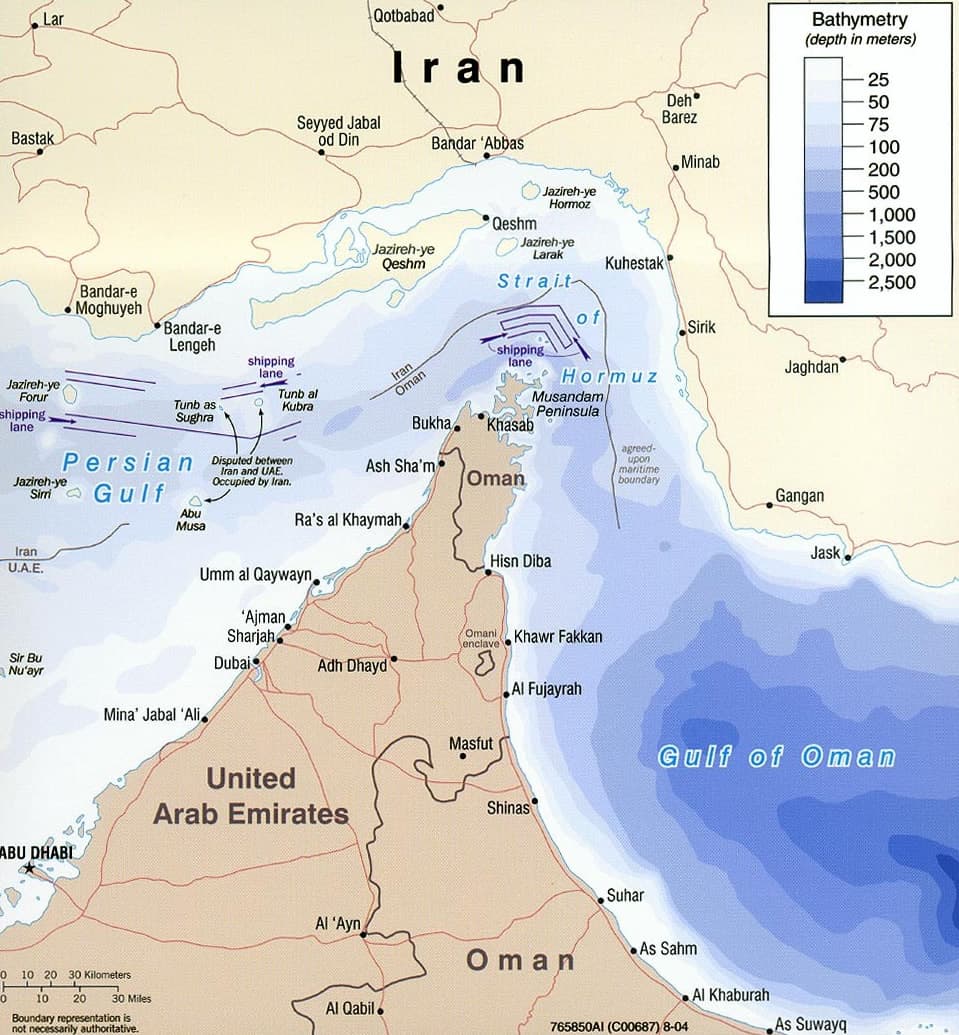
The legal and maritime dispute adds another layer of risk. Iran has signed but not ratified the United Nations Convention on the Law of the Sea, while the United States has not ratified the treaty but treats its navigational provisions as customary international law. In a waterway as narrow and crowded as Hormuz, analysts say that combination of disputed legal claims and layered military threats makes de-escalation fragile without coordinated action from the Gulf states and the U.S. allies backing them.
This article was produced by Prism’s automated news system from verified source data, official records, and press releases, then run through automated quality and moderation checks before publishing. The system is built and supervised by the people who set the standards it runs under. Read our full AI policy.
Did this article answer your question?