Germany to buy U.S. Tomahawk missiles, closing long-range strike gap
Germany plans to buy U.S. Tomahawks and Typhon launchers, narrowing a long-range strike gap it has avoided for decades. The exact arsenal size stays classified.
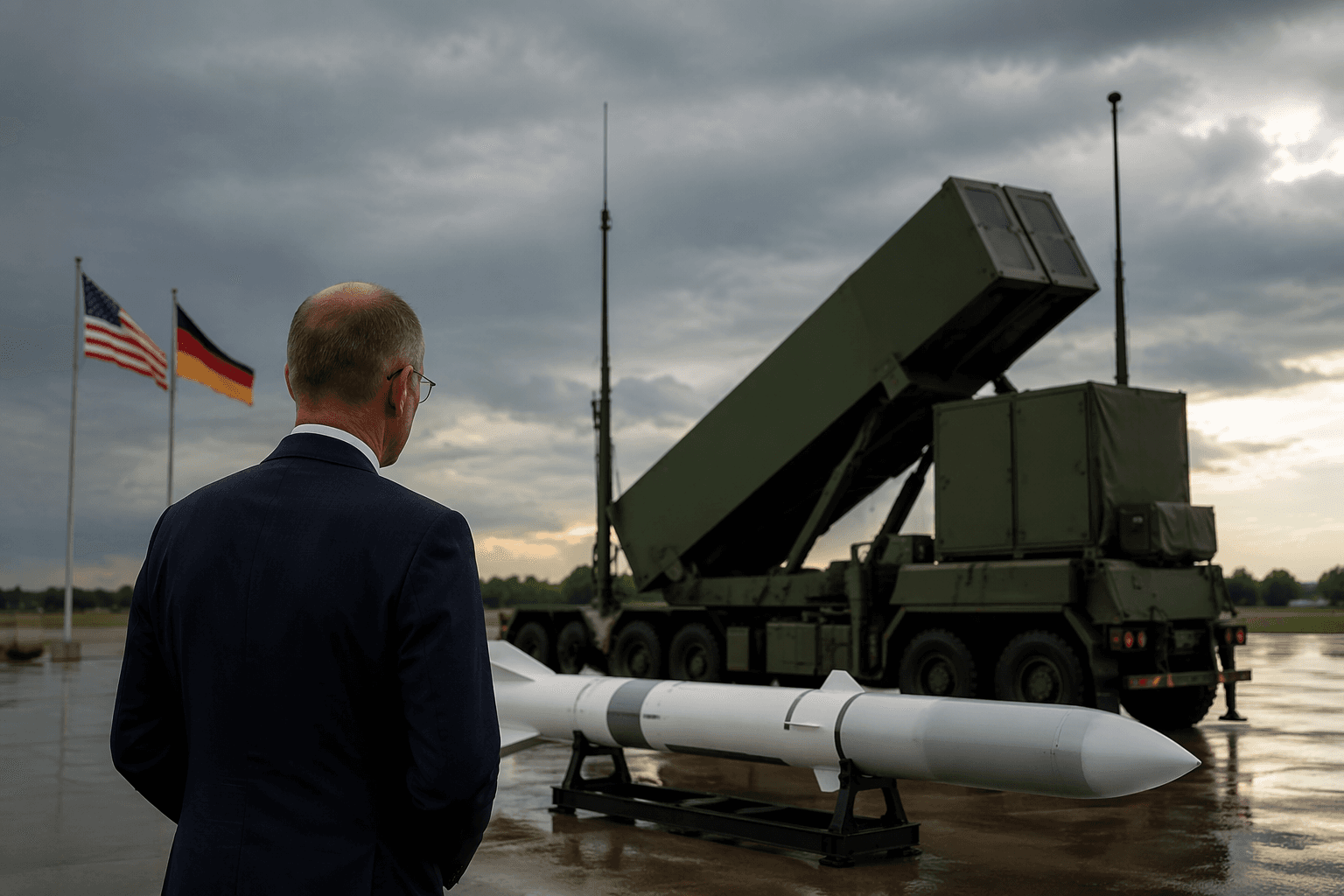
Germany is set to buy U.S. Tomahawk cruise missiles and Typhon ground-based launchers, a step that would give Berlin a long-range strike capability it has not previously fielded on its own soil. Friedrich Merz told lawmakers after a NATO summit in Ankara that he had sealed the arrangement with the U.S. government, saying it would close a critical strategic gap as Germany develops its own European systems.
Washington is expected to formally approve the procurement in August. The package includes Tomahawk missiles and Typhon launchers, but the number of each remains classified. The current letter of intent does not call for U.S. personnel to operate the systems, underscoring that Berlin is moving to own the capability rather than host another temporary American deployment.
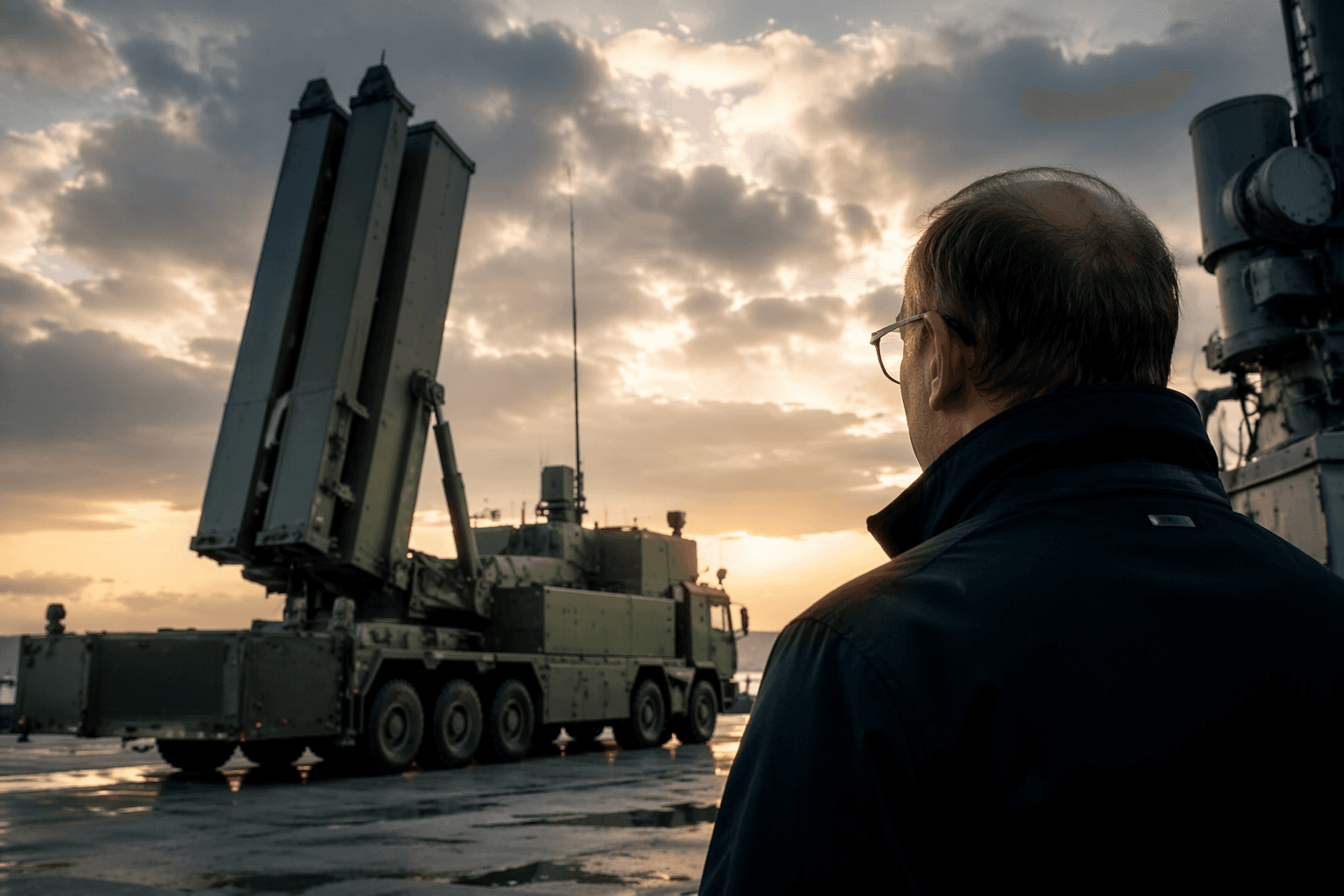
The shift marks a notable change in German defense thinking. Germany already produces the Taurus KEPD 350 with MBDA and Saab, and product materials describe its operational range as more than 500 kilometers. The U.S. Navy describes Tomahawk as a long-range cruise missile used for deep land-attack warfare, while the Center for Strategic and International Studies characterizes it as an intermediate-range, subsonic missile built for long-range deep strike. That difference is why the purchase matters: it materially expands Germany’s reach.
The move also revises an earlier transatlantic plan. In a July 10, 2024 joint statement, the United States and Germany said Washington would begin episodic deployments of long-range fires capabilities in Germany in 2026 as part of future stationing plans. That approach now appears to be giving way to a German purchase, after Donald Trump signaled in May that he would reduce the U.S. military presence in Germany and continued pressing European allies to spend more on their own security and buy American weapons rather than depend on U.S. deployments.
Merz framed the decision as part of a broader European security shift. After the Ankara summit, he said NATO was “united, strong and self-confident” and argued that Germany should move toward a future in which it is not susceptible to blackmail but can meet threats with its own strength. Germany is also pursuing long-distance weapons systems with European partners, as Berlin, London and Paris race to build more long-range capacity while Europe weighs whether it is becoming more militarily autonomous or more dependent on U.S. hardware.
This article was produced by Prism’s automated news system from verified source data, official records, and press releases, then run through automated quality and moderation checks before publishing. The system is built and supervised by the people who set the standards it runs under. Read our full AI policy.
Did this article answer your question?