Tasmania warns viral elephant seal Neil could be loved to death
Neil, a 1,000-kilogram southern elephant seal from Salem Bay, has drawn 15 million views and tens of thousands of signatures, while Tasmania warns close contact could turn deadly.
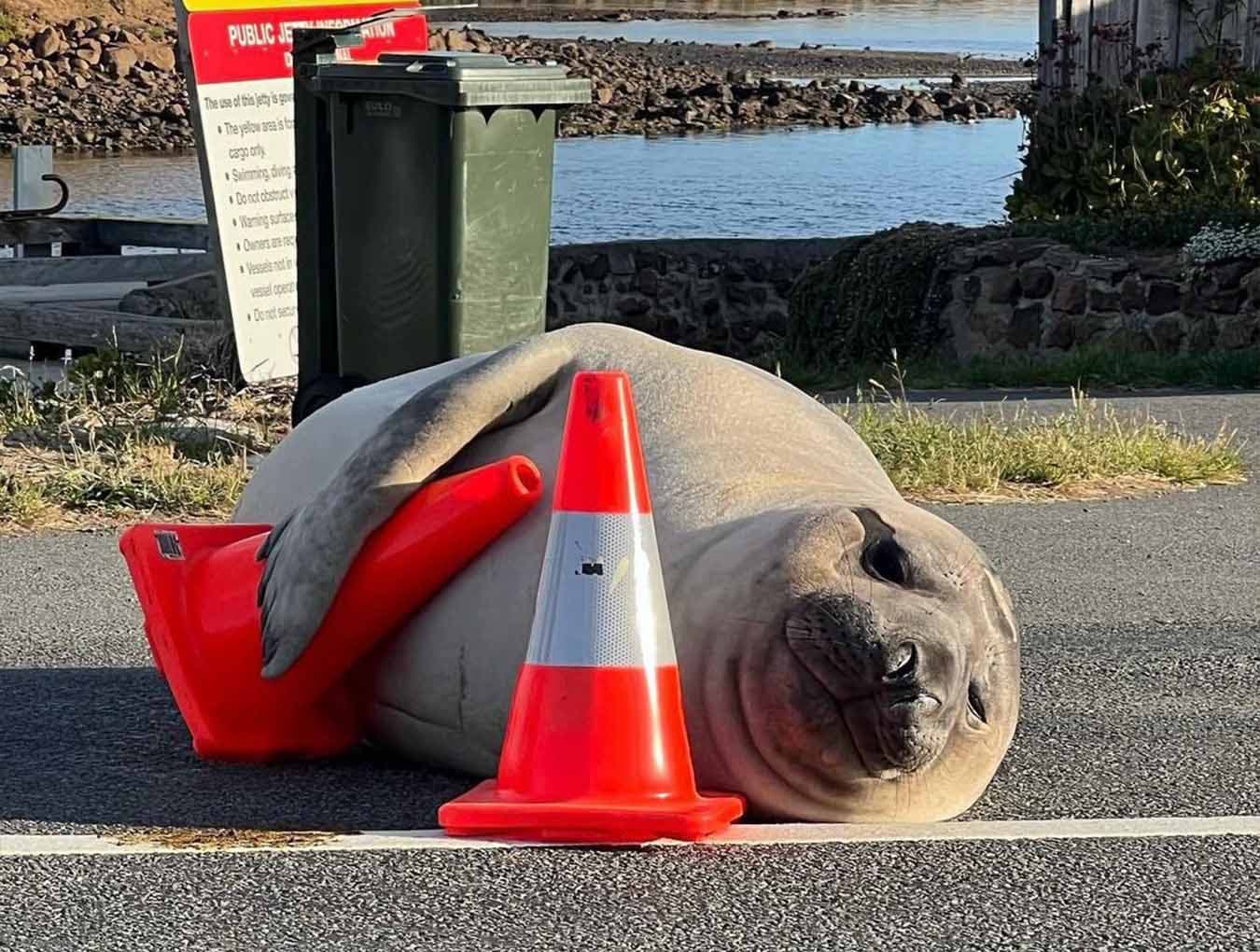
Neil, a 1,000-kilogram southern elephant seal from Salem Bay, must be kept at least 20 metres away as his online fame draws people toward beaches, roads and suburban streets in southern Tasmania. A video of the young bull knocking over bollards attracted more than 15 million views, and petitions calling for restricted access zones around his known habitats gathered nearly 30,000 signatures, with another non-lethal management petition drawing more than 62,000.
Neil was born on the Tasman Peninsula in 2020 and has returned to the same part of southern Tasmania twice a year ever since. His behaviour is typical for a juvenile male elephant seal during haul-out and moulting periods, even when it includes knocking over bollards, chewing traffic cones, leaning on cars and sparring with fences or other road furniture. He is about three metres long now, but adult males can reach 3,000 to 4,000 kilograms, and only about 4% of male elephant seals become harem or beach masters.
The Department of Natural Resources and Environment Tasmania counts about a dozen elephant seals on Tasmanian shores each year, even though the species usually congregates on remote Southern Ocean islands. It records nine southern elephant seal pups born in Tasmania between 1985 and 2022, and Neil is one of the few known to have survived to weaning after being tagged on each tail flipper. Tasmania’s wildlife guidelines are meant to protect both people and animals.
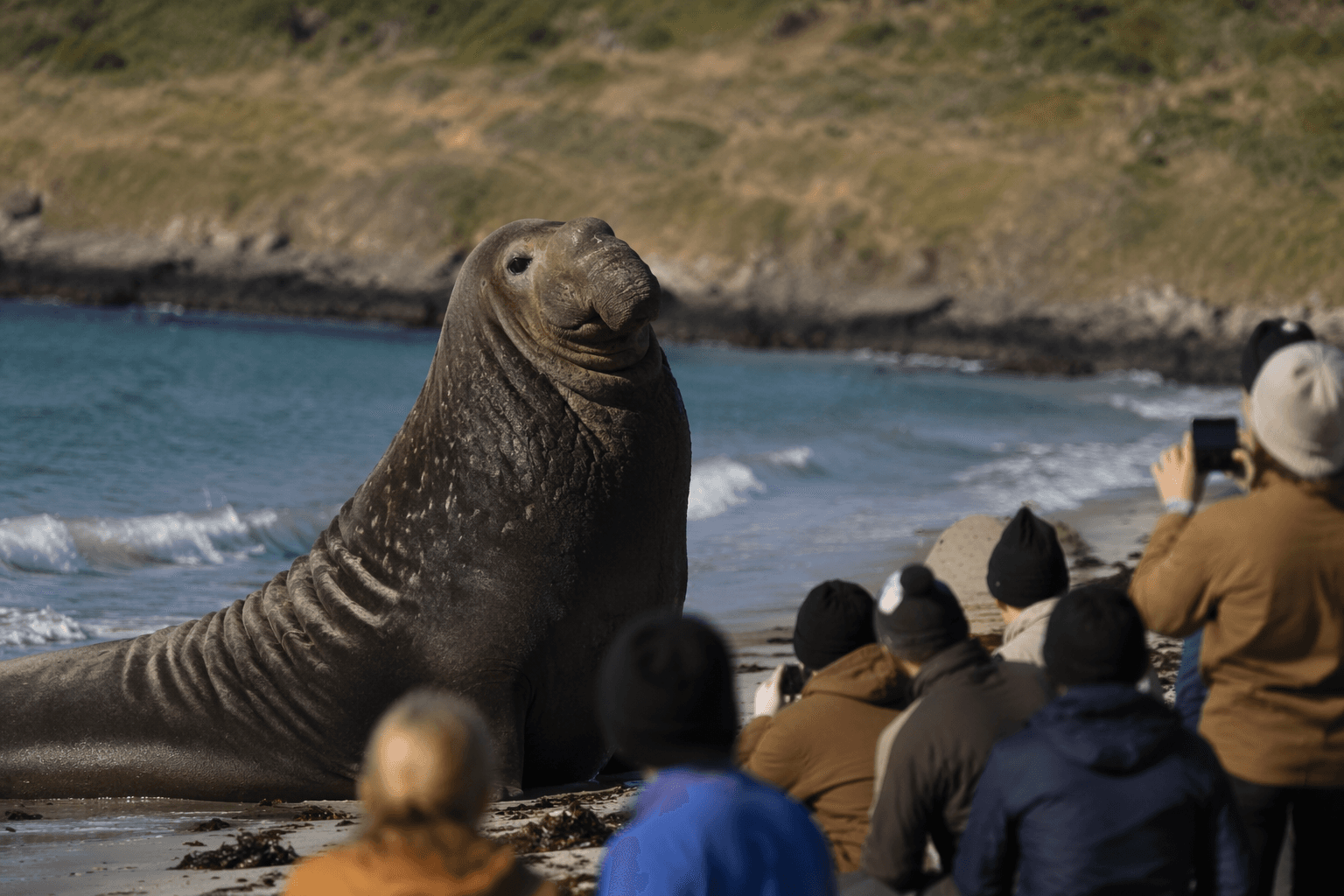
Wildlife advocates and local supporters want a formal protection plan before Neil grows larger and more territorial, while Premier Jeremy Rockliff has said the state does not need to legislate for common sense. Euthanasia is not part of Tasmania’s current management approach, but marine conservation officials warn that close human interaction could force harsher decisions if public safety is compromised.
This article was produced by Prism’s automated news system from verified source data, official records, and press releases, then run through automated quality and moderation checks before publishing. The system is built and supervised by the people who set the standards it runs under. Read our full AI policy.
Did this article answer your question?