Germany’s coalition moves to fast track infrastructure, replace heating law
Chancellor Friedrich Merz announced the coalition has agreed to a two part legislative push that will create a fast track for infrastructure projects and scrap a contested clean heating mandate in favour of a Buildings Modernisation Act. The measures aim to revive growth and deliver visible results ahead of state elections, but key details on scope, safeguards and funding remain unresolved.

Germany’s ruling coalition unveiled a compact on December 11 that seeks to accelerate infrastructure delivery and abandon a disputed clean heating mandate, setting the stage for a legislative sprint in the months ahead. Chancellor Friedrich Merz announced the package after a coalition board meeting at the Chancellery in Berlin, flanked at a later press briefing by Finance Minister and Social Democratic Party co leader Lars Klingbeil, Labour and Social Affairs Minister and SPD co leader Baerbel Bas, and Markus Söder, leader of the Christian Social Union and Bavarian state premier.
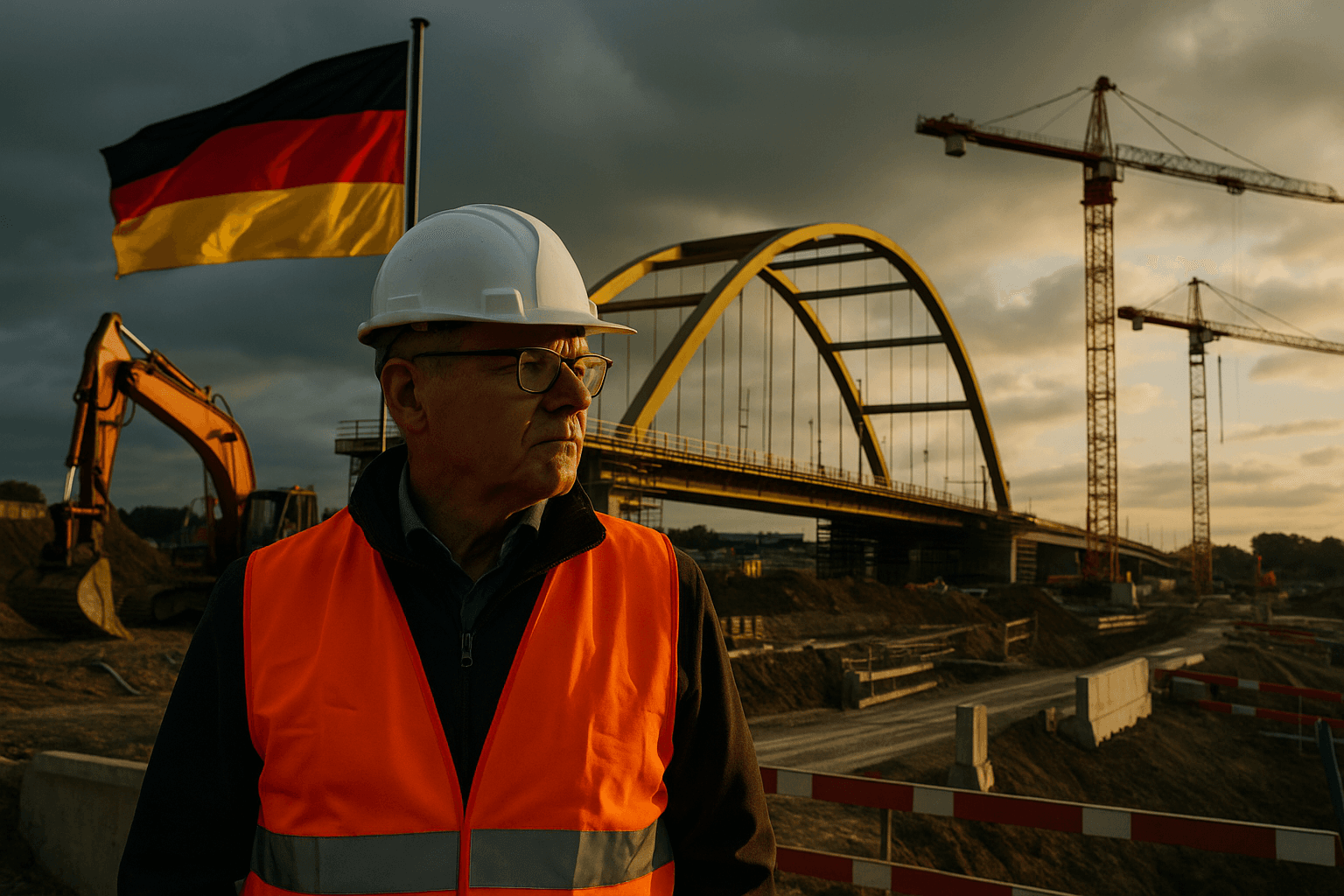
The agreement contains two headline commitments. First, the government will create a new fast track mechanism to expedite a broad range of transport and other infrastructure projects. The coalition says a wide array of schemes will be eligible for accelerated procedures, though officials did not publish detailed lists of project types or the legal mechanics that will govern selection and implementation.
Second, the coalition will abandon the contested clean heating law that would have required most newly installed heating systems to run largely on renewable energy. In its place the government will introduce a Buildings Modernisation Act described as taking a broader approach to renovating and upgrading the country’s building stock. Coalition sources characterized the shift as providing "more flexibility on technology choices."
The moves are being pitched by the coalition as pragmatic steps to revive Europe’s largest economy. Merz’s government, which assumed office seven months ago, has made growth and investment central to its agenda and has already used a break from Germany’s traditional fiscal restraint to create a special investment fund backed by extensive borrowing. Critics have warned that some of that borrowing was used for routine spending rather than big ticket investment, a point raised in reporting by Global Banking and Finance Review.
Political pressure and calendar considerations were explicit drivers. Support for the coalition’s major parties has slipped ahead of state elections in 2026, and leaders signalled on December 11 that they were looking for rapid, tangible results. Fast tracking projects offers visible progress on roads, rail and digital infrastructure, while the Buildings Modernisation Act is intended to avoid a politically unpopular, prescriptive approach to domestic heating upgrades.
Significant unknowns remain. Neither the draft legislative texts nor a timetable for tabling, debate and enactment have been published. The government has not specified which transport schemes will be eligible for fast tracking, what criteria will govern selection, or how environmental review, public consultation and legal safeguards will be preserved. Questions also persist about the fiscal envelope for the measures and whether additional borrowing from the special fund will be mobilised.
Observers both inside Germany and beyond will watch how the proposals balance speed with legal obligations under European environmental directives and public participation norms. Fast tracking infrastructure can create tensions with local communities, conservation rules and cross border regulatory standards, and legal experts will look for explicit safeguards in the legislation.
For now the coalition has set a political direction. Delivering clear legislative texts, transparent funding plans and robust environmental and procedural protections will determine whether the measures revive growth while meeting Germany’s legal and international commitments.
This article was produced by Prism’s automated news system from verified source data, official records, and press releases, then run through automated quality and moderation checks before publishing. The system is built and supervised by the people who set the standards it runs under. Read our full AI policy.
Did this article answer your question?