Germany’s Helsing ramps up AI strike drone production for Ukraine
Helsing said it would build 6,000 HX-2 strike drones for Ukraine, turning AI software into mass-produced weapons built for speed, scale, and electronic warfare.
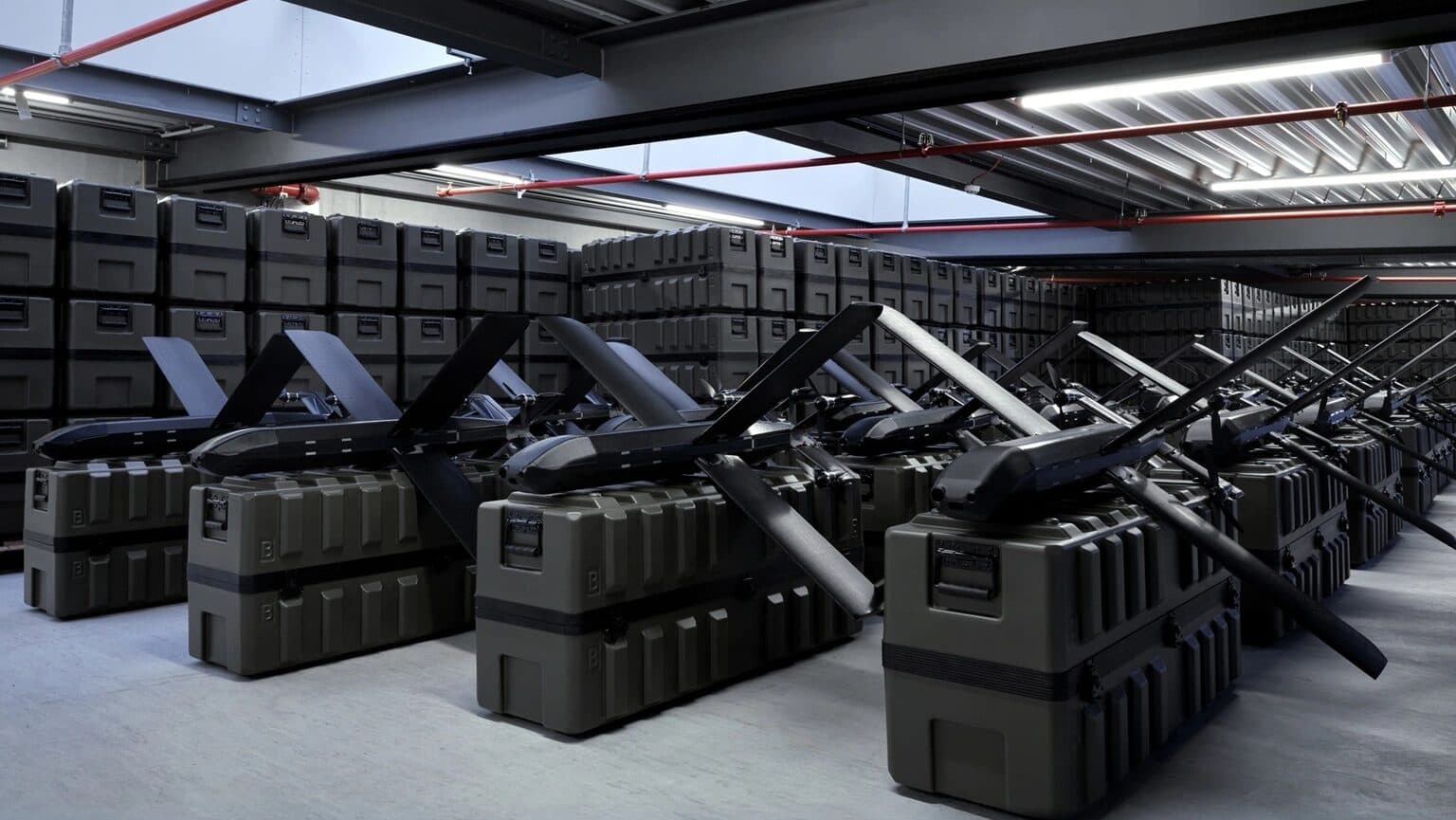
Helsing said it would build 6,000 HX-2 strike drones for Ukraine after an earlier order for 4,000 HF-1 drones, a shift that put the Munich start-up at the center of Europe’s move toward cheaper, software-driven battlefield systems. The company, founded in 2021 by Torsten Reil, Gundbert Scherf and Niklas Köhler, built its business first on AI defense software before moving into strike drones and other autonomous weapons.
The HX-2 was described by Helsing as a strike drone with a range of up to 100 kilometers and onboard AI meant to help it resist electronic warfare. Helsing also said its first Resilience Factory in southern Germany had begun production with an initial monthly capacity of more than 1,000 drones, a sign that the company was no longer treating unmanned systems as prototypes but as industrial output. On top of the HX-2 order, Helsing said it had already delivered 1,950 HF-1 drones and planned to send 2,050 more.
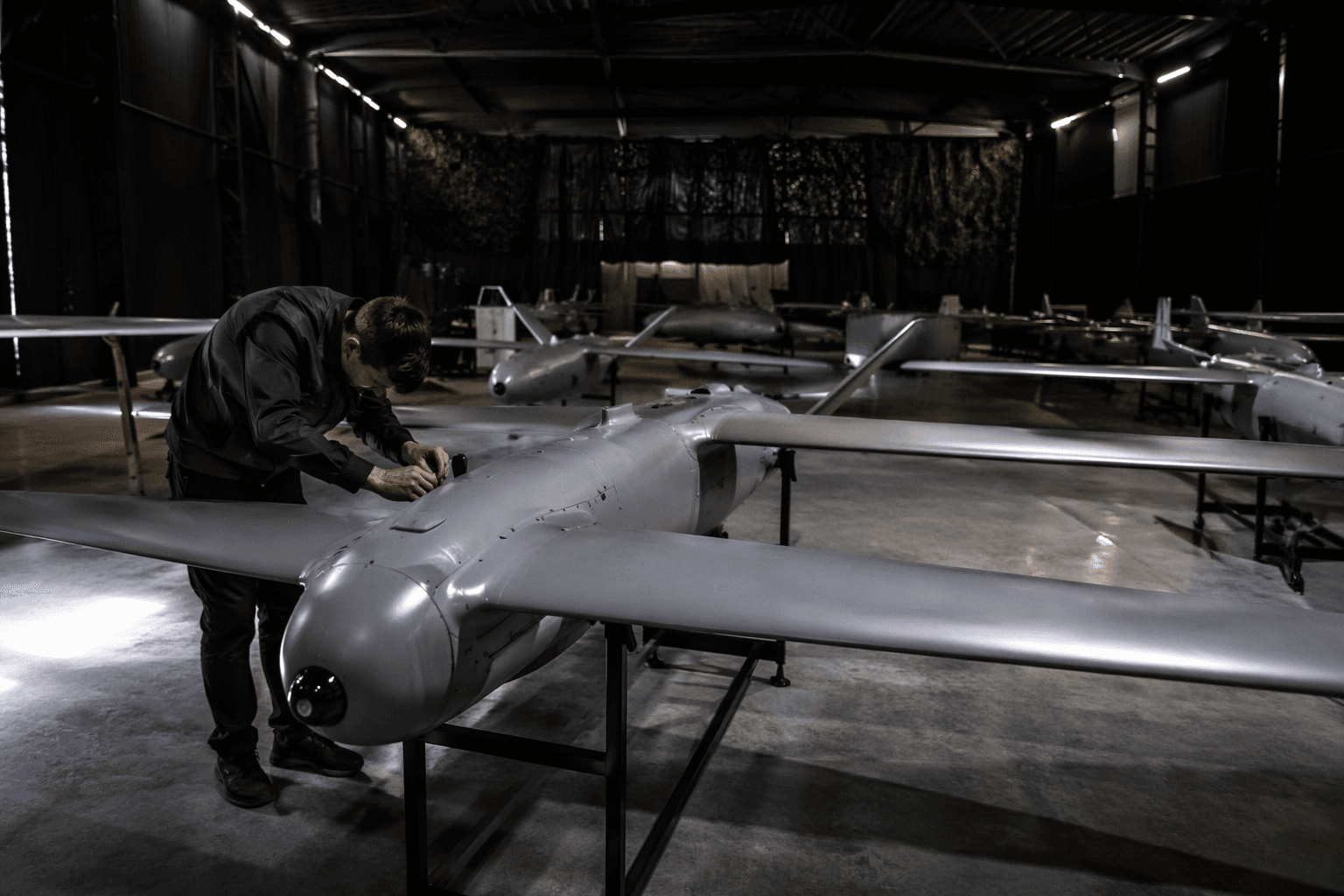
That production push came with a financial surge. In June 2025, Helsing raised €600 million and was valued at €12 billion, placing it among Europe’s most highly valued defense technology companies and drawing major investors into a sector once dominated by slower procurement cycles and legacy hardware. The company’s rise also reflected a wider European effort to expand domestic drone manufacturing as Russia’s war in Ukraine forced militaries to rethink how quickly they could replace losses and adapt weapons on the fly.
By July 2026, Ukrainian forces were using Helsing drones on the front line. Troops praised some tactical advantages, but other reporting raised concerns about battlefield reliability and whether Ukraine would place additional orders after technical setbacks in field tests. That tension has made Helsing more than a single-company story: it has become a test case for whether Europe can build an autonomous weapons base that is scalable, affordable and resilient enough to matter in a long war.
For NATO and other militaries watching the conflict, the implication is blunt. A fleet of mass-produced drones built around onboard software and rapid iteration can arrive faster and at far lower cost than the manned platforms and precision weapons that have long defined Western procurement. Helsing’s production line shows how quickly that equation is changing.
This article was produced by Prism’s automated news system from verified source data, official records, and press releases, then run through automated quality and moderation checks before publishing. The system is built and supervised by the people who set the standards it runs under. Read our full AI policy.
Did this article answer your question?