Ghana backs five-year presidential term, lowers candidacy age to 35
Ghana's government backed a five-year presidential term and a lower age bar, a reform that could widen the field while lengthening incumbents' runway.

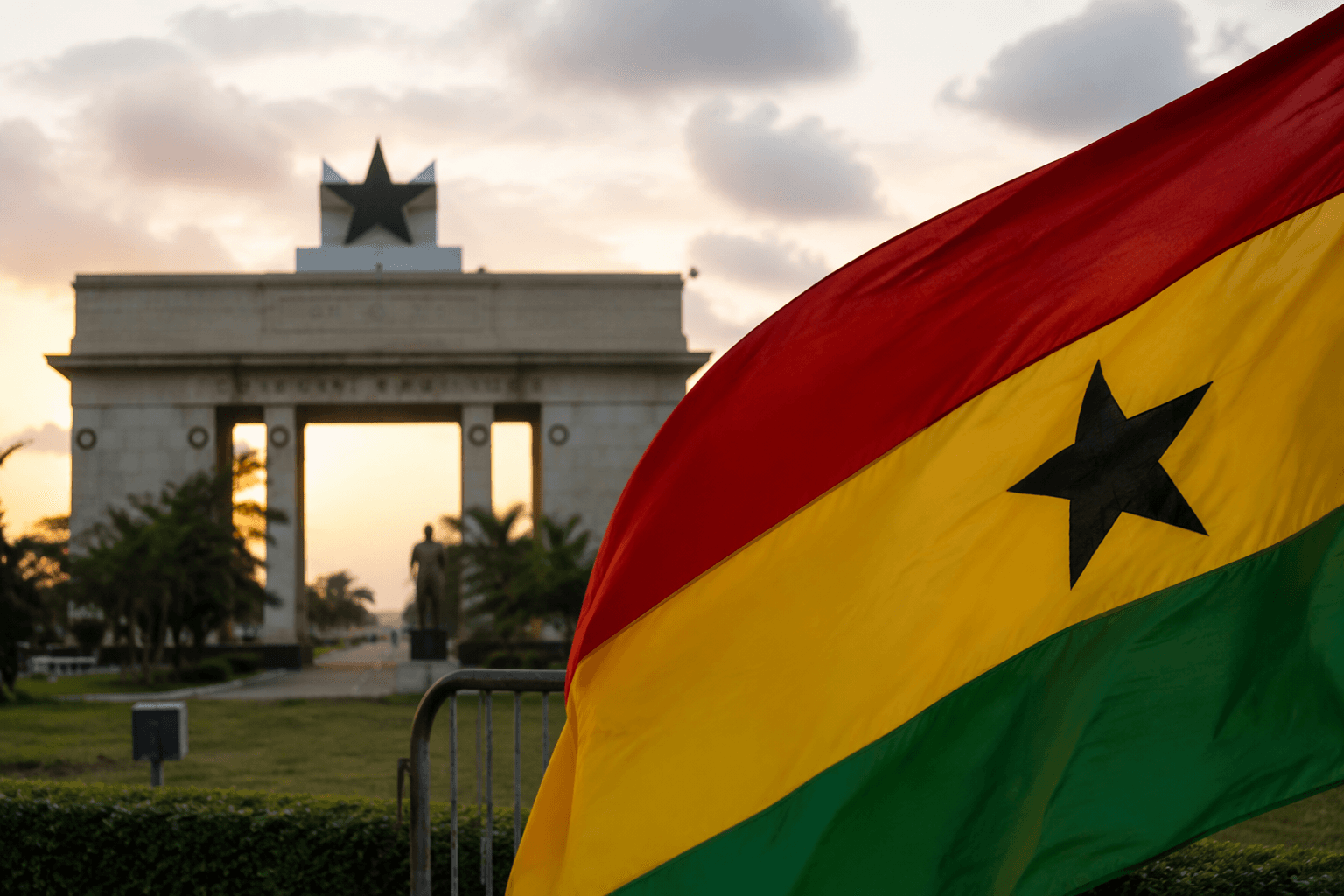
Ghana's government backed a constitutional change on July 30 to extend the presidential term from four years to five and cut the minimum age for the office from 40 to 35. The proposal, announced at the Presidency in Accra, would also extend Parliament’s term so the legislature stays aligned with the presidency.
The changes would rewrite two core provisions of Ghana’s 1992 Constitution. Article 62 currently requires a presidential candidate to be Ghanaian by birth, at least 40 years old, qualified to vote and otherwise eligible. Article 66 gives the president a four-year term and limits one person to two terms. If the reform survives the usual constitutional hurdles, it would alter the pace of Ghanaian politics by reducing how often the country cycles through national campaigns and by widening the pool of potential contenders.
Supporters have cast the longer term as a practical fix for a compressed governing window. The Constitutional Review Committee said on January 14 that the existing four-year term did not give governments enough time to complete a policy cycle, a view the committee tied to broader governance deficits. The age cut goes in a different direction: it lowers the gate for younger politicians who have been shut out by the 40-year floor, a move that could matter in a country with a large youth population and recurring calls for broader political representation.
The case against the reform is just as direct. A five-year term gives any winner a longer stretch in office before voters can judge performance, and the lower age requirement does not by itself change party gatekeeping, patronage networks or the advantage enjoyed by sitting leaders. That is why the proposal has been read not only as an administrative update but as a test of whether Ghana is expanding access or simply redesigning the calendar in ways that can entrench power. The fact that the government accepted the term-length change and the age change together only sharpened that debate.
Across Africa, five-year presidential terms are hardly unusual. A widely cited table of sub-Saharan constitutions shows five-year terms in countries including Angola, Benin, Botswana, Burkina Faso, Burundi and Cape Verde, while Cameroon has used a seven-year term. Ghana’s proposal would therefore move it closer to the regional norm on tenure while also making its presidency easier to enter for younger aspirants. It is not law yet, and Parliament and, if required, voters still have to decide whether the promise of wider participation outweighs the risk of giving power more room to settle in.
This article was produced by Prism’s automated news system from verified source data, official records, and press releases, then run through automated quality and moderation checks before publishing. The system is built and supervised by the people who set the standards it runs under. Read our full AI policy.
Did this article answer your question?