Latino civic groups unite to boost voter turnout for 2026 midterms
Four major Latino groups merged their turnout efforts for 2026, targeting 32 battleground House districts and 3,000 surveyed voters.

Four of the nation’s largest Latino civic organizations joined forces for the first time to coordinate voter outreach ahead of the 2026 midterms. The coalition brings together UnidosUS Action Fund, Mi Familia Vota, the League of United Latin American Citizens, or LULAC, and the Latino Victory Project.
Mi Familia Vota said the partnership would coordinate voter registration, year-round organizing, data-informed outreach and trusted messenger programs. The group also said Carlos Eduardo Espina would serve as an ambassador for the coalition, giving the effort a public face aimed at reaching Latino voters who are less likely to respond to one-off campaign pushes.
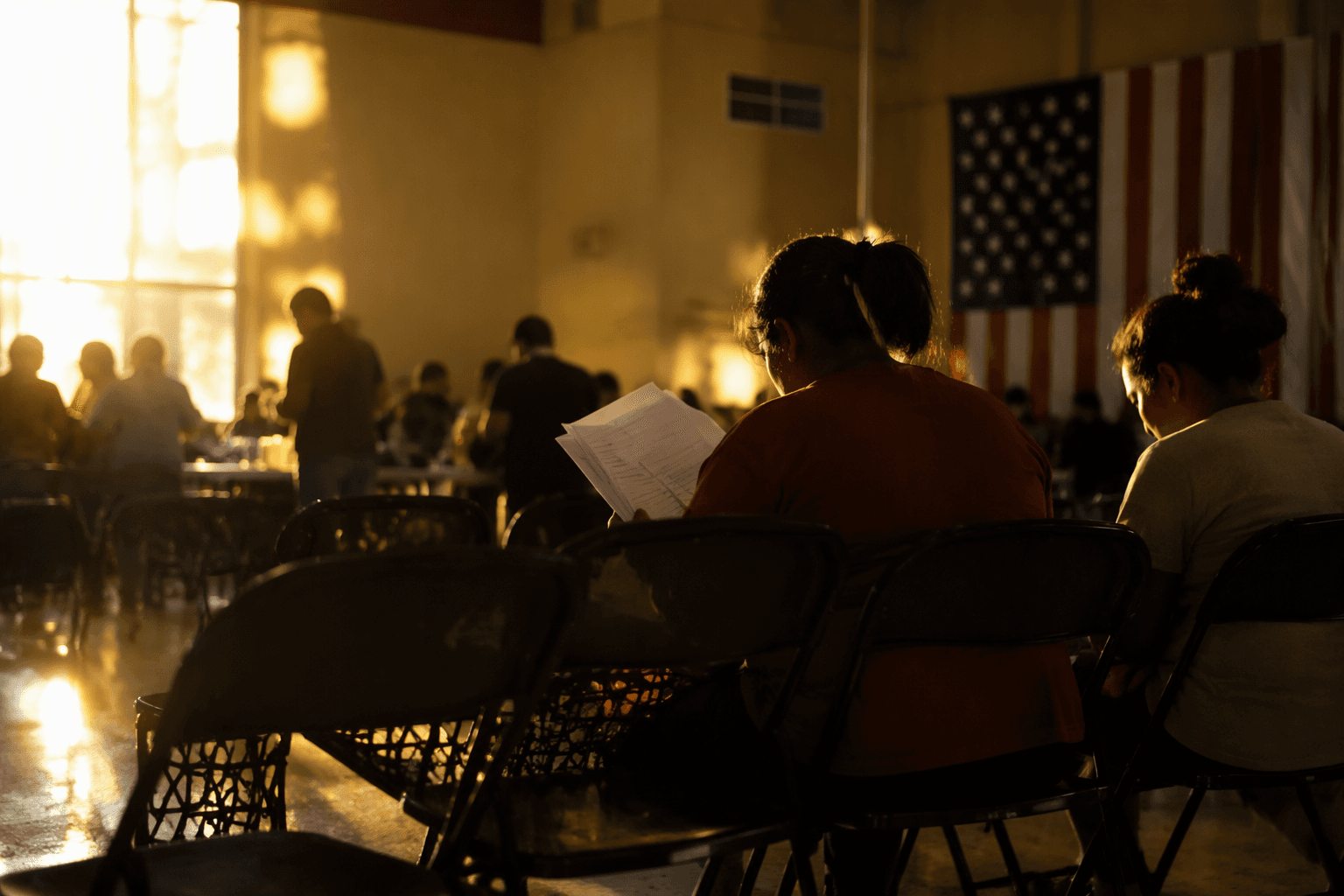
The electoral map behind the alliance is wide. UnidosUS said its bipartisan 2026 poll surveyed 3,000 Latino registered voters and included state oversamples of 500 each in California, Florida and Texas, plus 400 in Arizona. The survey covered 32 battleground congressional districts with large Latino population regions, including AZ-01, AZ-02 and AZ-06; CA-13, CA-21, CA-22, CA-45 and CA-48; FL-07, FL-13, FL-23 and FL-27; TX-15, TX-23, TX-28, TX-34 and TX-35; and NJ-07 in the Northeast. UnidosUS said the interviews were conducted in English or Spanish according to respondent preference and used a mixed-mode design that combined live phone calls, text invitations and online panels.
The effort reflects a broader push by Latino civic groups to translate demographic weight into turnout. Voto Latino said in 2026 that recent election victories were highlighting the Latino electorate’s growing importance in determining outcomes, while LULAC’s public messaging pointed to more than 36 million eligible Latino voters. That scale has made coordinated outreach more attractive than the fragmented approach many groups used in past cycles.
The new alliance now gives the organizations a shared structure for registration and persuasion in the districts most likely to decide the House, while its state-level polling also reaches into places where Latino voters can shape close statewide contests. The test for the coalition will be whether year-round contact and trusted messengers can reach voters who have not been pulled into politics by traditional party outreach.
This article was produced by Prism’s automated news system from verified source data, official records, and press releases, then run through automated quality and moderation checks before publishing. The system is built and supervised by the people who set the standards it runs under. Read our full AI policy.
Did this article answer your question?