Ghana Pushes UN to Declare Slave Trade Gravest Crime Against Humanity
Ghana brought a landmark UN resolution to a vote today, demanding formal recognition of the slave trade as the gravest crime against humanity and calling for compensation.
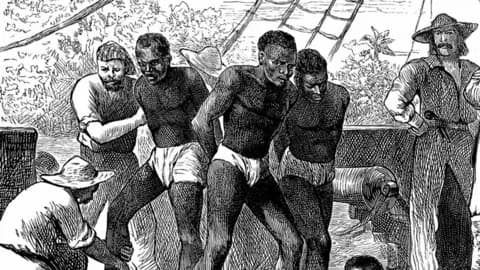
Member states voted today on a resolution, led by Ghana, to recognise the transatlantic slave trade as "the gravest crime against humanity." The debate fell deliberately on March 25, coinciding with the International Day of Remembrance of the Victims of Slavery and the Transatlantic Slave Trade.
The draft resolution, formally titled "Declaration of the Trafficking of Enslaved Africans and Racialised Chattel Enslavement of Africans as the Gravest Crime Against Humanity," seeks to formally declare the trafficking in enslaved Africans and racialised chattel enslavement as the gravest crime against humanity "by reason of the definitive break in world history, scale, duration, systemic nature, brutality and enduring consequences that continue to shape socio-economic realities and structural inequalities across the world."
Ghana's Foreign Minister Samuel Okudzeto Ablakwa told the BBC's Newsday programme: "We are demanding compensation, and let us be clear, African leaders are not asking for money for themselves. We want justice for the victims and causes to be supported, educational and endowment funds, skills training funds." Ablakwa has also framed the push in blunter terms: "This is not about ceremony or sentiment; it is about accountability and justice rooted in legal principles," he said, adding that "the passage of time has not diminished the enduring impact of these injustices."
The resolution's demands extend beyond financial compensation. It calls for cultural artefacts stolen during the colonial era to be returned to their countries of origin. "We want a return of all those looted artefacts, which represent our heritage, our culture and our spiritual significance. All those artefacts looted for many centuries into the colonial era ought to be returned," Ablakwa said. The resolution also calls for member states to enter inclusive, good-faith dialogue on reparative justice encompassing formal apology, restitution, rehabilitation and guarantees of non-repetition, and it invites the African Union, CARICOM and United Nations entities to collaborate in designing frameworks to structure that engagement.
Speaking at a High-Level Special Event on Reparatory Justice convened at United Nations Headquarters on March 24, President Mahama said the resolution provides a collective moral framework for remembrance, healing, and accountability. "This resolution stands as a safeguard against forgetting," he stated, emphasising that the global community must "reclaim racial equality, the dignity of Africans, and the humanity of our ancestors who were enslaved." The declaration, he said, allows the world to bear witness to the suffering of an estimated 18 million men, women, and children over four centuries.
The move follows through on a pledge Mahama made during his address to the UN General Assembly last year. The resolution is being advanced by Ghana in its capacity as the African Union's Champion on Reparations, in collaboration with the Caribbean Community and Common Market and people of African descent worldwide.
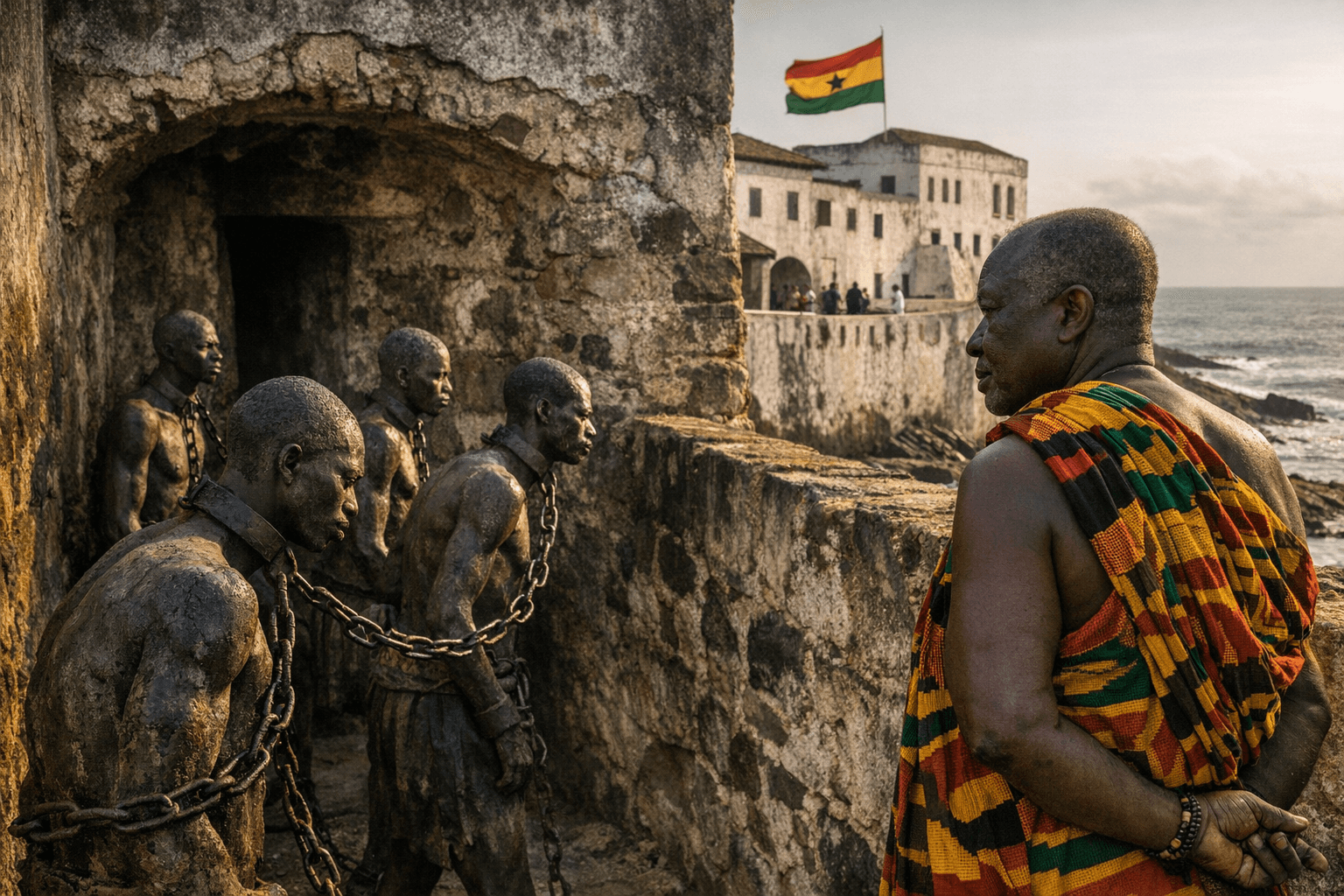
The African continent's backing carries significant institutional weight. In February 2025, the Assembly of the African Union adopted a landmark decision qualifying slavery, deportation and colonisation as crimes against humanity and genocide against the peoples of Africa, with all 55 member states giving legal and moral weight to the claim now before the United Nations. That decision built on the 1993 Abuja Proclamation of the Organisation of African Unity, which had formally declared slavery and the slave trade "unprecedented crimes against humanity" more than three decades earlier.
Ghana's permanent UN representative, Samuel Yao Kumah, urged member states to back the resolution, saying it was "a step toward acknowledging the full scale and lasting impact of one of history's most devastating systems." He addressed concerns that such language could be interpreted as placing one atrocity above others, rejecting that view and explaining that the resolution is not about comparing suffering or creating a legal hierarchy among crimes against humanity. Instead, he said it seeks to identify a historical system that reshaped the modern world and continues to influence global inequalities. Kumah also acknowledged, pointedly, that UN General Assembly resolutions are declaratory political instruments, not judicial rulings, and cannot create legally binding hierarchies of crime. The measure constitutes political and historical recognition rather than a legal classification.
The resolution is likely to face resistance, as states like the UK have long rejected paying reparations, arguing that today's institutions cannot be held responsible for past wrongs. Between 1500 and 1800, around 12 to 15 million people were captured in Africa and taken to the Americas where they were forced to work as slaves, with an estimated two million dying on the journey.
Following the anticipated adoption, Ghana said it will intensify multilateral efforts toward reparatory justice within the framework of the African Union's Decade of Action on Reparations and African Heritage, which runs from 2026 to 2036. Ghana's Ministry of Foreign Affairs has framed the resolution in terms that leave little room for ambiguity: it "does not demand the impossible. It demands the long-overdue.
This article was produced by Prism’s automated news system from verified source data, official records, and press releases, then run through automated quality and moderation checks before publishing. The system is built and supervised by the people who set the standards it runs under. Read our full AI policy.
Did this article answer your question?


