Gilgo Beach killer Rex Heuermann sentenced to life without parole
Rex Heuermann’s life-without-parole sentence closed one chapter, but the case also exposed years of missed connections, scattered evidence and delayed accountability across Suffolk County.
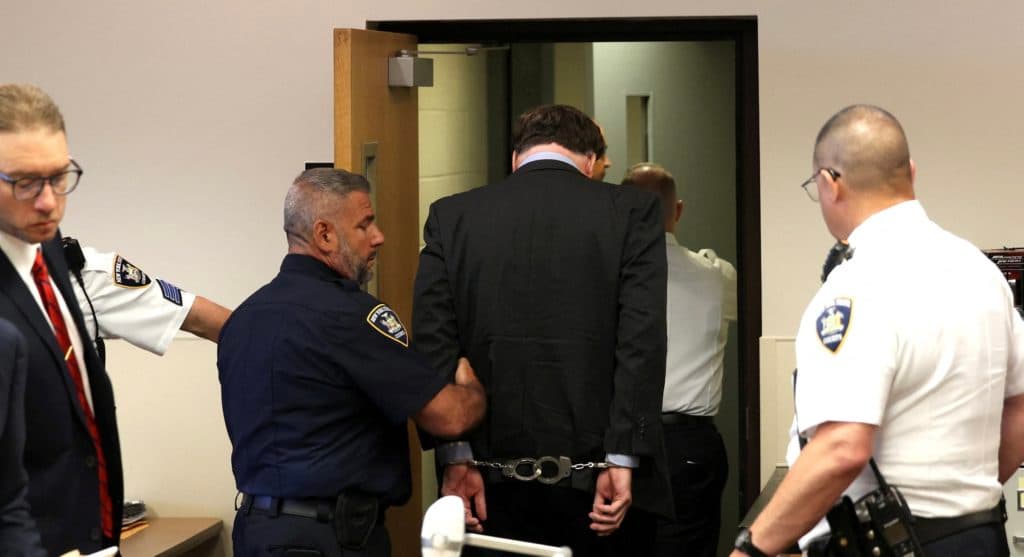
The Long Island architect who hid a serial-killer double life was sentenced Wednesday to life in prison without parole, ending a saga that terrorized families and exposed how badly one of New York’s most notorious investigations had stalled. In Riverhead, relatives of the victims confronted Rex Heuermann in court and turned the sentencing into an indictment of the years they waited for answers.
Heuermann, 62, pleaded guilty on April 8, 2026, to murdering seven women and admitted he killed an eighth. The punishment followed an emotional hearing in Suffolk County that brought the case’s human toll into full view: one family member told the court, “a million years isn’t enough,” a line that captured how the losses still radiate through the region.

The case became a national symbol of investigative failure before his arrest on July 13, 2023. The Gilgo Beach murders stretched across crimes committed between 1993 and 2010, generated more than 1,000 tips over the years, and still produced years of speculation and dead ends until Suffolk County forced a reset.
That reset began in early 2022, when former Suffolk County Police Commissioner Rodney Harrison announced a new task force to revive the investigation. Suffolk County District Attorney Raymond A. Tierney formally convened the Gilgo Beach Homicide Task Force in February 2022, bringing together the Suffolk County Police Department, New York State Police, Suffolk County Sheriff’s Office, Federal Bureau of Investigation and other partners. The point was not just to collect more names and theories, but to make agencies work together after years in which the case had drifted.
Investigators later said a fresh review of an old clue helped crack the case: a pickup truck and a green Chevrolet Avalanche tied back to Heuermann. That detail underscored one of the central lessons of the investigation. The breakthrough did not come from a single dramatic reveal, but from revisiting evidence that had been sitting in plain sight while the case languished.
The sentencing brings legal finality for Heuermann, but not institutional closure. For Suffolk County, the case now stands as a warning about the cost of fractured coordination, uneven evidence review and the failure to sustain victim-focused pressure over time. What finally moved the investigation was not luck, but a deliberate rebuild of the machinery that had failed the women of Gilgo Beach for more than a decade.
This article was produced by Prism’s automated news system from verified source data, official records, and press releases, then run through automated quality and moderation checks before publishing. The system is built and supervised by the people who set the standards it runs under. Read our full AI policy.
Know something we missed? Have a correction or additional information?
Submit a Tip