Girl’s killing near Kolkata reignites outrage over sexual violence in India
An 11-year-old’s killing near Kolkata has triggered protests, arrests and a fresh test of India’s rape reforms. Activists say laws changed, but impunity did not.
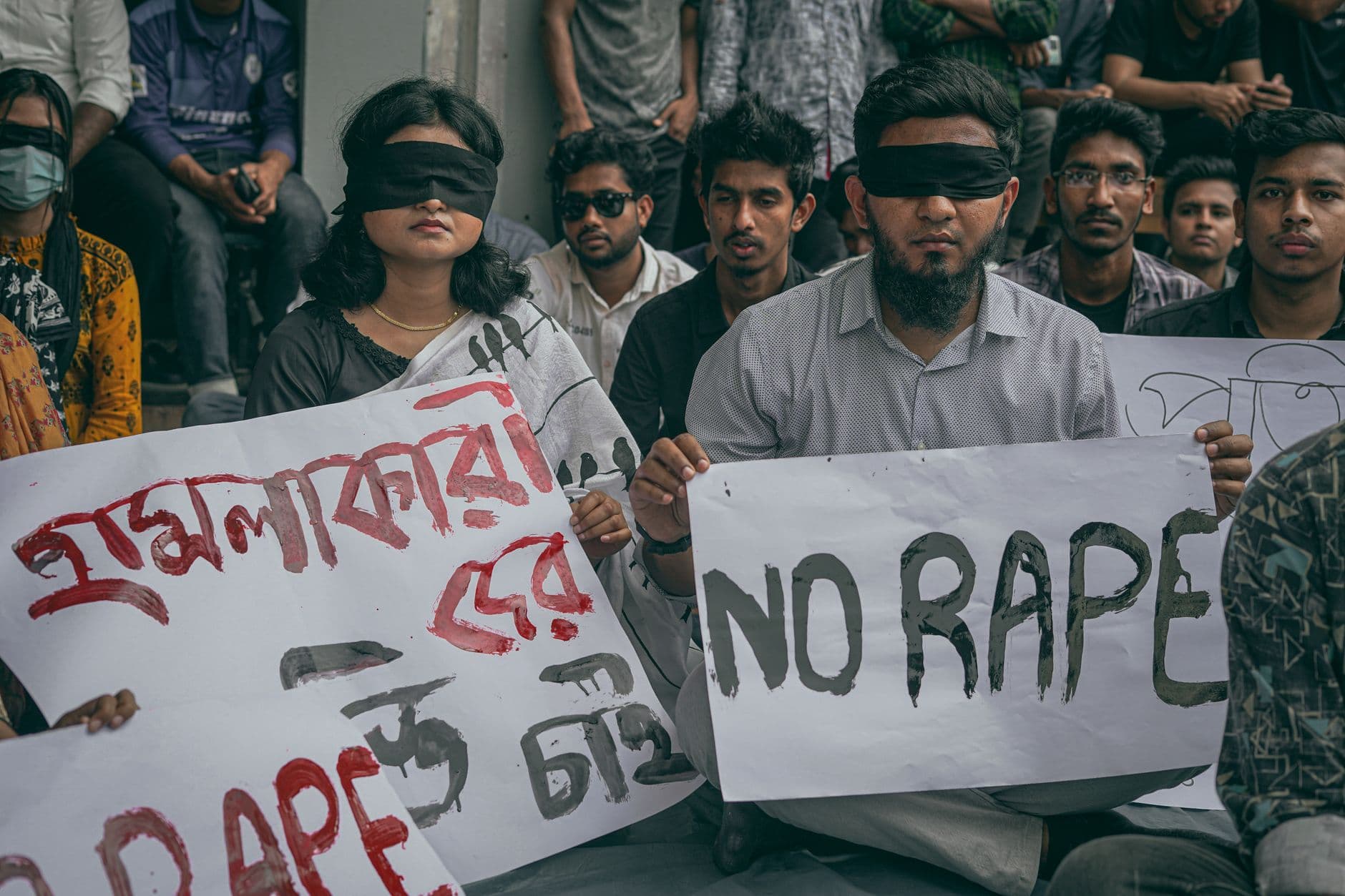
The killing of an 11-year-old girl in Baruipur, near Kolkata, has reopened a brutal question in India: after the laws tightened and public outrage surged, what changed on the ground?
The child left home on a Saturday evening in July for a friend’s birthday party and never returned. A local investigating officer said she was kidnapped, raped, bundled into a sack and thrown into a pond while still alive. Her body was later recovered with bite marks and bruises, and her family has been left shattered by the violence.
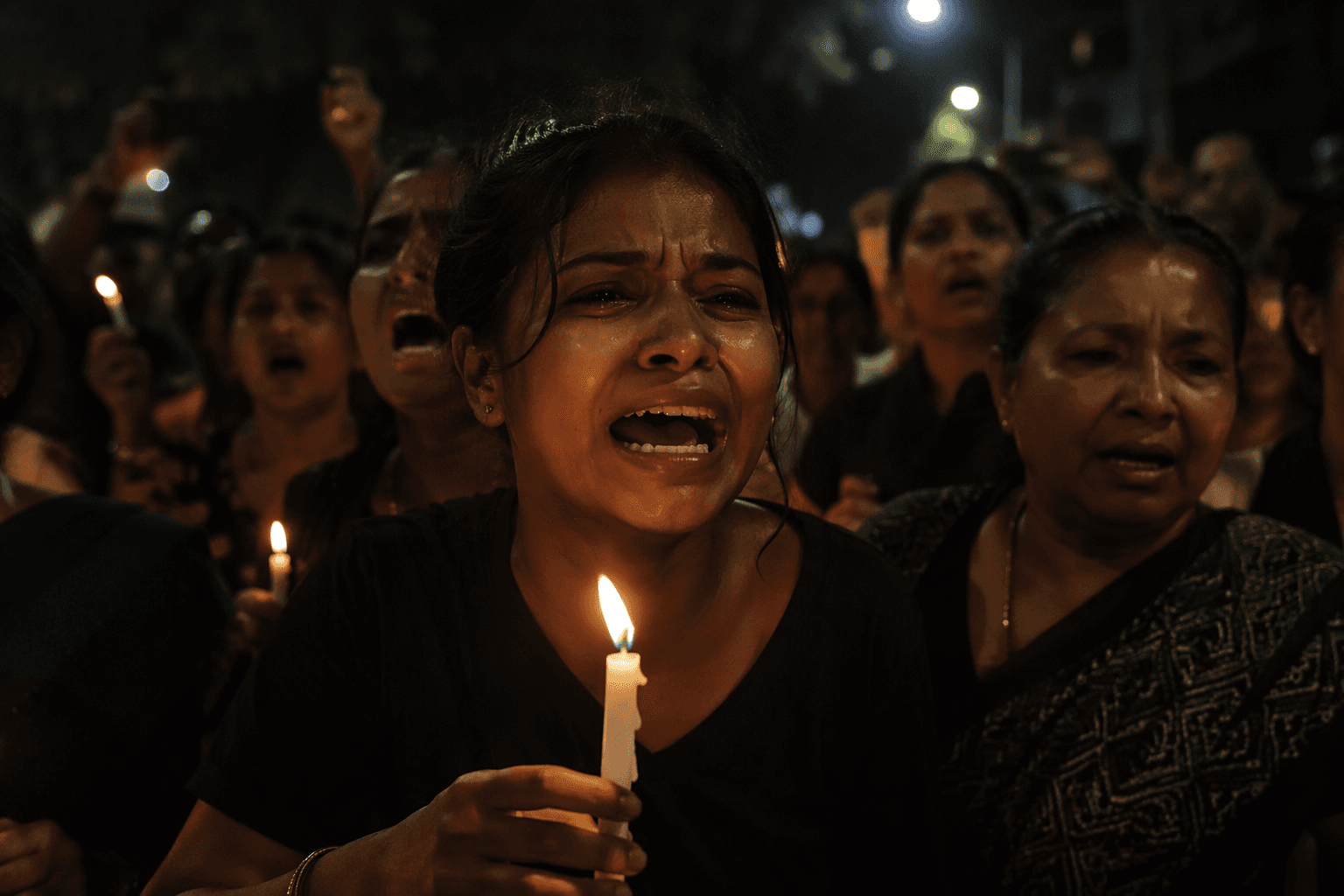
The case quickly spread beyond one town in South 24 Parganas district. Protests erupted in and around Baruipur, West Bengal Chief Minister Mamata Banerjee led a candlelight march on July 7, and authorities imposed restrictions on gatherings under Section 163 of the Bharatiya Nagarik Suraksha Sanhita. Police said dozens of people were arrested on July 10 for violence and vandalism during demonstrations, and one innocent person was lynched by angry crowds.
The political stakes are immediate in West Bengal, where Narendra Modi’s Bharatiya Janata Party is trying to make gains and where women’s safety is one of its central promises. Yet the outrage also points to a broader national pattern: patriarchy, misogyny, weak policing and slow courts still shape how sexual violence is handled, and activists say many offenders continue to believe they can act without punishment.
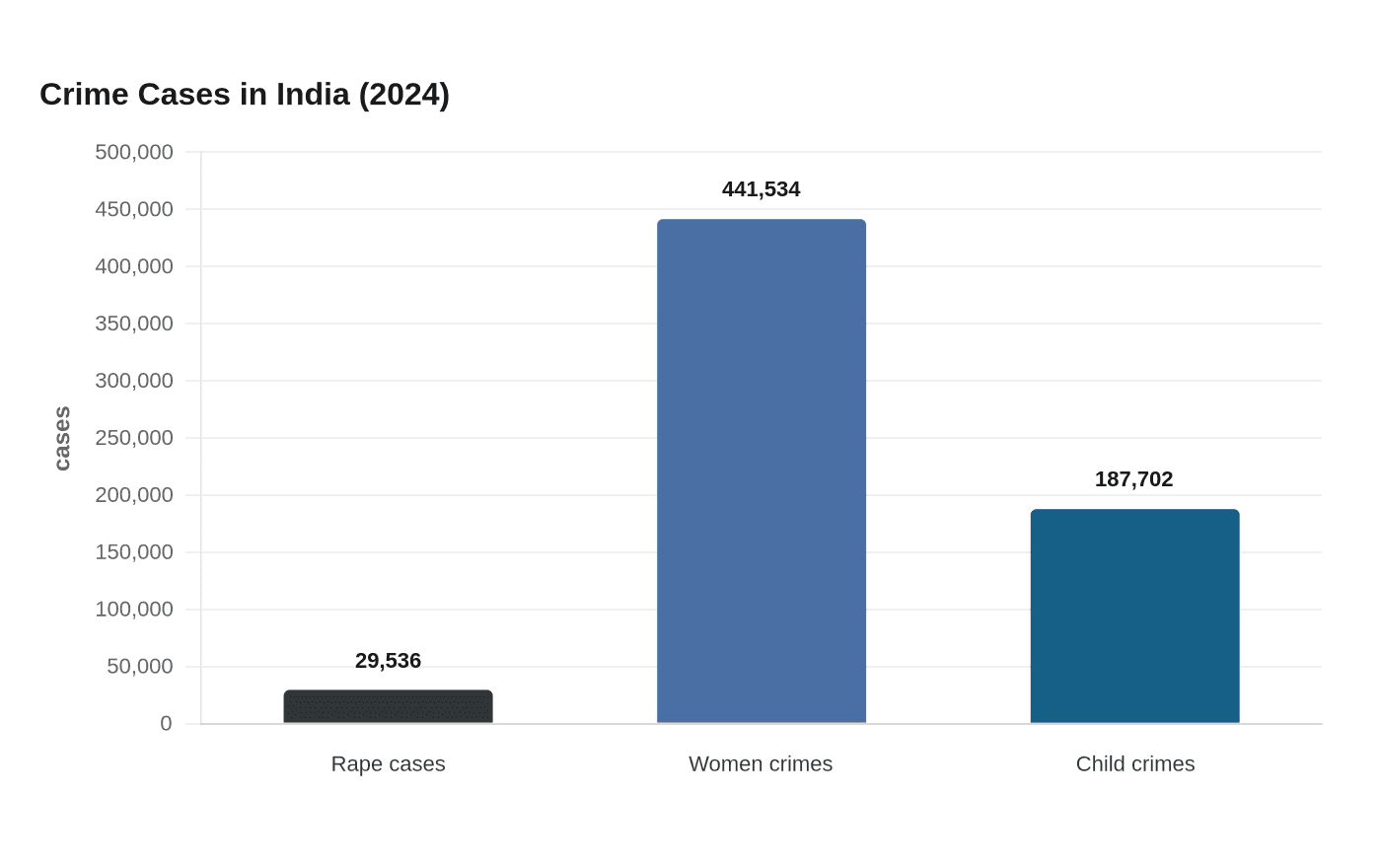
The numbers are stark. National Crime Records Bureau data show India recorded 29,536 rape cases in 2024, with more than 80 rapes reported to police every day. The same year, India logged 4,41,534 crimes against women overall, a slight decline from 2023 but still a huge caseload for police and courts to process. Child victims faced an even worse picture: India registered 1,87,702 crimes against children in 2024, the highest in 10 years, averaging 512 cases a day, with kidnapping and Protection of Children from Sexual Offences cases making up 77% of all registered crimes.
The present anger also reaches back to Delhi. The 2012 gang rape and murder of 22-year-old Jyoti Singh on December 16, 2012 led to the Criminal Law (Amendment) Act, 2013, which expanded sexual-offence provisions and penalties. But activists and child-rights groups say the tougher statute did not fix underreporting, trial backlogs, weak enforcement or the shortage of support that survivors need after an attack.
Even with India’s economy larger and its global role bigger, the record on women’s safety remains stubbornly grim.
This article was produced by Prism’s automated news system from verified source data, official records, and press releases, then run through automated quality and moderation checks before publishing. The system is built and supervised by the people who set the standards it runs under. Read our full AI policy.
Did this article answer your question?