Typhoon Noul weakens after landfall, heavy rain threatens southern China
Flooding risk stayed high after Noul weakened, with Guangdong evacuating more than 340,000 people and Hong Kong canceling 29 departures and 20 arrivals.
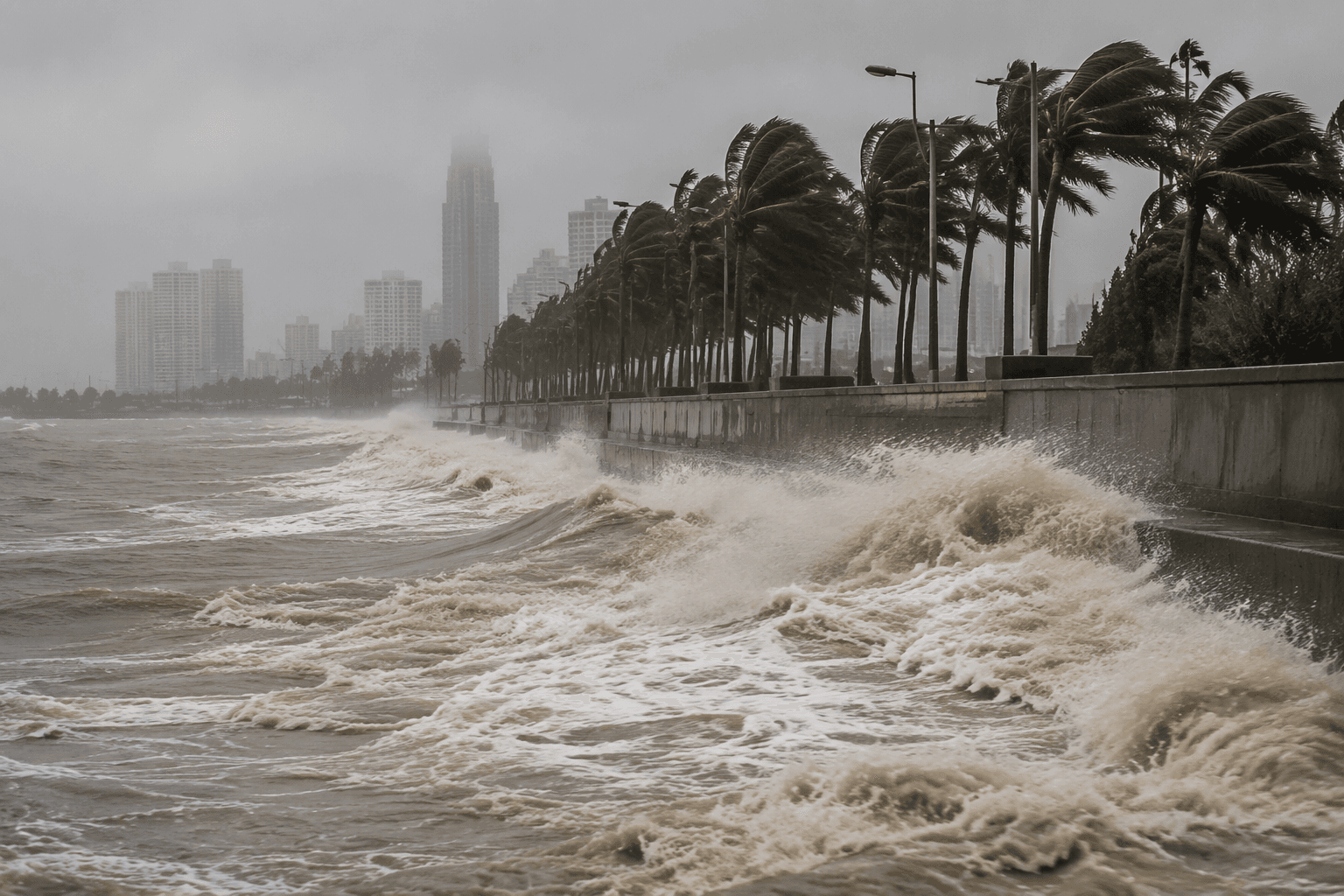
Typhoon Noul weakened after making landfall, but heavy rain still threatened flooding and travel disruption across southern China. In Guangdong province, officials evacuated more than 340,000 people before the storm came ashore, while at least dozens of flights were canceled as the system moved in over the weekend.
The immediate strain on transport was visible in Hong Kong, where public transport was suspended in parts of southern China as the storm approached. At Hong Kong International Airport, 29 departures and 20 arrivals had been canceled by 4:50 p.m. on Saturday, a sign of how quickly a weakening typhoon can still paralyze a regional travel hub.
By Sunday evening, the Hong Kong Observatory had canceled all typhoon warning signals, and flights were set to gradually resume on Sunday afternoon after operations were affected. Reuters described Noul as one of the strongest storms of the year and said it was the third typhoon to hit China that month and the 12th typhoon of 2026, underscoring how active the season had become even as the immediate wind threat eased.
The larger danger remained the rain. Heavy rainfall can continue long after a storm’s core moves inland, pushing rivers higher, flooding roads and low-lying neighborhoods, and triggering landslides and urban waterlogging. That was the same pattern that made southern China’s earlier flooding so deadly. On July 9, flooding after days of heavy rain killed 39 people, including 26 in Hengzhou after a partial reservoir dam collapse sent water into the city.
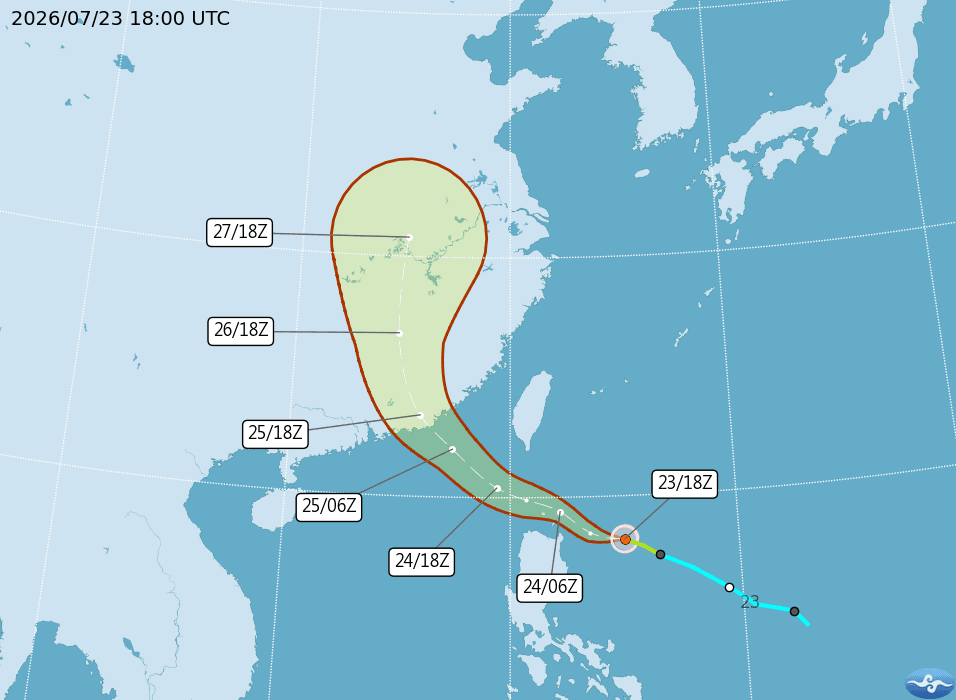
Noul’s landfall showed how typhoon response in southern China is now built around more than wind speed. Large-scale evacuations, flight cancellations and transport shutdowns can reduce exposure before the storm arrives, but the aftermath can still leave cities, ports and rural communities dealing with saturated ground, delayed travel and dangerous runoff. The storm’s wind field may have weakened, yet the rain remained the part most likely to keep emergency officials on alert.
This article was produced by Prism’s automated news system from verified source data, official records, and press releases, then run through automated quality and moderation checks before publishing. The system is built and supervised by the people who set the standards it runs under. Read our full AI policy.
Did this article answer your question?