GKN Aerospace begins cautious restart after Garden Grove chemical emergency
An overheating tank sent 50,000 Garden Grove residents fleeing, and GKN Aerospace is now edging back into operations at the affected plant.
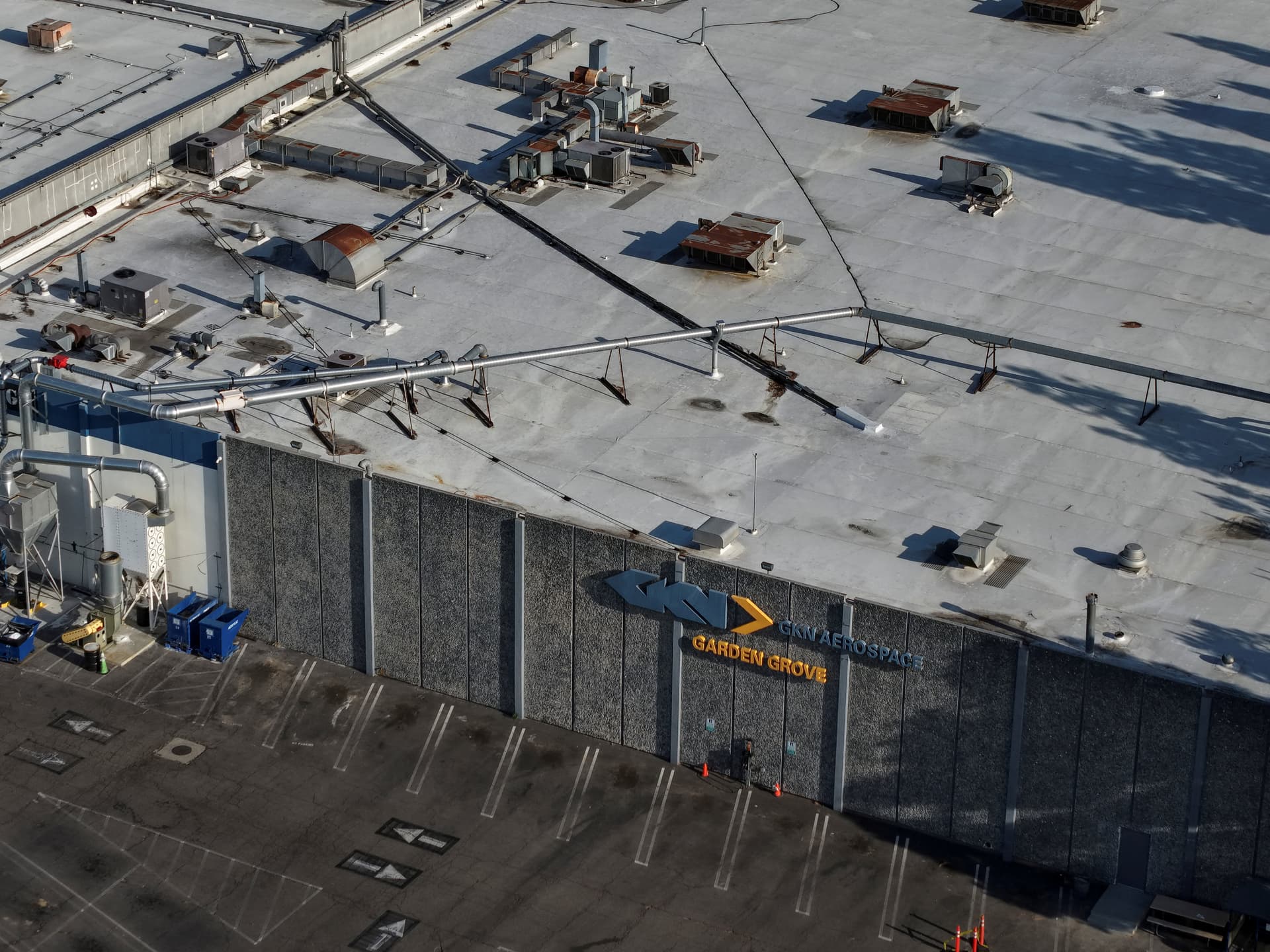
GKN Aerospace began a cautious, partial restart at its Garden Grove plant after a late-May chemical emergency shut the factory and sent 50,000 nearby residents out of their homes. Employees had started returning to the site for safety checks as production resumed only in parts of the facility untouched by the incident. The plant makes cockpit and passenger windows for Boeing, Airbus’s A350 and Lockheed Martin’s F-35 program, giving the restart significance far beyond Orange County.
The shutdown followed an overheating tank that raised fears of a catastrophic explosion. Before more output can resume, the company still has to clear the sections that were affected and answer the central questions left by the emergency: how the incident began, whether the safety systems worked as intended and how quickly the site can restart without repeating the hazard. Federal authorities had already served a search warrant at the plant, underscoring the level of scrutiny around the case.

The stakes extend into aerospace supply chains already under pressure from production schedules, aircraft deliveries and defense contracts. Any slowdown at Garden Grove can ripple through Boeing and Airbus lines and into Lockheed Martin’s F-35 program, where parts shortages or delays can force costly adjustments elsewhere. A gradual restart may ease one bottleneck, but it also shows how dependent major manufacturers remain on a single Southern California facility.
For Garden Grove, the restart marked a first step back toward normal operations after a scare that forced tens of thousands to evacuate. For regulators and nearby residents, it raised a sharper question: whether a defense-adjacent aerospace plant operating next to a dense California community had emergency protocols strong enough to contain a chemical emergency before it became a regional crisis.
This article was produced by Prism’s automated news system from verified source data, official records, and press releases, then run through automated quality and moderation checks before publishing. The system is built and supervised by the people who set the standards it runs under. Read our full AI policy.
Did this article answer your question?

