Global AI summit in New Delhi ends without final declaration after clashes
Delegates left New Delhi without a published joint declaration as governments and tech firms deadlocked over safeguards, leaving governance and civil society demands unresolved.
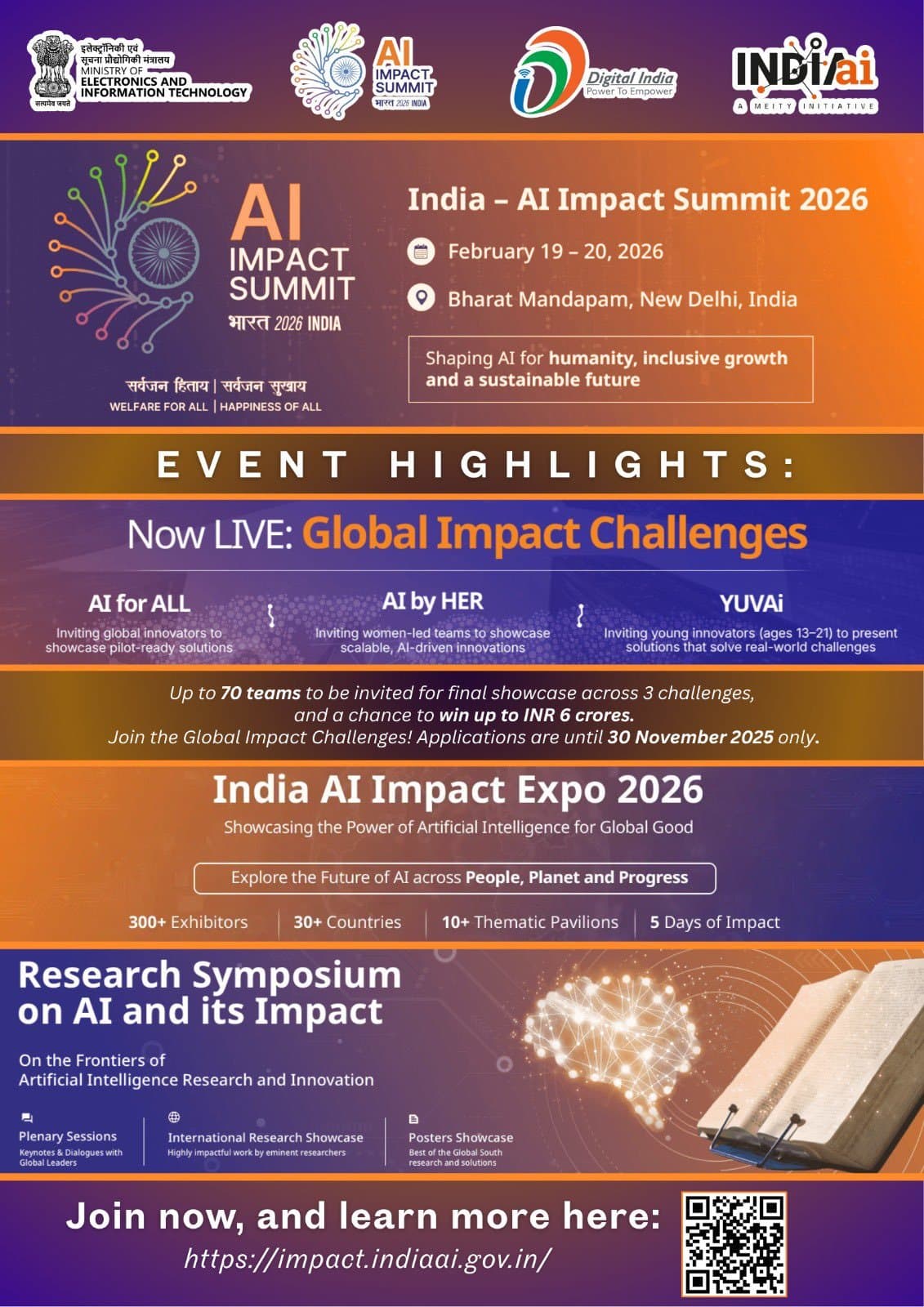
Negotiations over a final joint declaration at the India AI Impact Summit collapsed into stalemate by the afternoon of Feb. 21, 2026, as government delegations and industry representatives continued to bicker over limits, safeguards and responsibilities for artificial intelligence. India’s information technology minister, Ashwini Vaishnaw, said there was “huge consensus on the declaration” and that organizers were “just trying to maximise the number,” adding the text already had “more than 70 signatories” and he hoped it would “pass 80.” No final text had been published and summit organizers did not immediately provide a definitive signatory list.
The five-day summit, billed as the fourth annual international meeting on generative AI and the first hosted by a developing country, drew tens of thousands of attendees, including top tech executives and national delegations from Europe, Brazil and elsewhere. The scale and profile of the event sharpened expectations that the meeting would produce a clear statement on how to govern rapid advances in generative models, data use and cross-border AI risks. Instead, delegations left with unresolved language on the key questions of accountability, operational safeguards and the roles of states and corporations.
Disagreements echoed larger geopolitical tensions. Delegates sparred over who should set global rules for AI and how much leeway to give firms driving the technology. Some countries pushed for stronger, enforceable limits; others favored softer, voluntary frameworks intended to preserve innovation and national sovereignty. The contest over influence was underscored by India’s effort to pitch itself as a counterweight to the U.S.–China tech axis, a theme that animated several high-level interventions but not a final compromise.
The summit’s atmosphere was also shaped by logistical problems and several high-profile absences that undercut the headline-grabbing expectations. Bill Gates withdrew hours before his scheduled keynote; the Gates Foundation said the decision “was made to ensure the summit’s focus remained on its agenda” and that it “remains fully committed to work in India and advance shared health and development goals.” Ankur Vora, president of the Gates Foundation’s Africa and India offices, replaced him. Nvidia’s chief executive Jensen Huang cancelled after falling ill and the company delegated senior executive Jay Puri to lead its team. Even some marquee sessions, including addresses by leading AI researchers, were reported to have halls that were less than half full.

On the ground, attendees and local officials complained of chaotic entry points, poor signage, heavy security for VIP movement and severe traffic disruptions that left delegates stranded. Organizers removed Galgotias University from the summit after a staff member presented a commercially produced Chinese robot dog as the institution’s own creation, a decision government officials confirmed.
Civil society groups voiced sharp rebukes. Erika Guevara Rosas of Amnesty International called the summit’s rhetoric “in stark contrast with the realities of harmful deployment of artificial intelligence (AI) systems in India,” and warned that “to date, AI summits have failed to advance the necessary regulations for a digitally safe future.” She said the gatherings had promoted “techno-solutionist narratives and soft governance instruments” while excluding impacted communities.
As the conference concluded without a published declaration, delegates and observers walked away with the central questions unresolved: who will write the rules, how binding those rules will be, and whether civil society will have a seat at the table where consequential decisions are taken. The final text and a confirmed signatory list remained outstanding.
This article was produced by Prism’s automated news system from verified source data, official records, and press releases, then run through automated quality and moderation checks before publishing. The system is built and supervised by the people who set the standards it runs under. Read our full AI policy.
Did this article answer your question?