Global ethanol demand surges as countries seek fuel alternatives
Energy security is reshaping ethanol trade, with U.S. exports up 20% and Brazil eyeing a possible doubling of foreign sales as countries seek fuel alternatives.
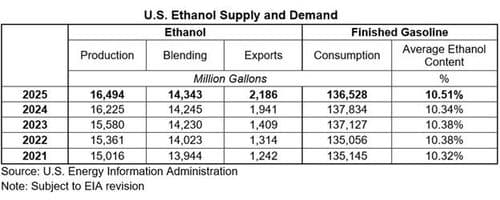
The Strait of Hormuz crisis is pushing governments to look beyond crude oil and toward liquid fuels they can source from somewhere else, and ethanol is suddenly part of that calculation. U.S. and Brazilian producers, the world’s two largest, are seeing stronger export demand as importers try to diversify supply and reduce exposure to a single energy chokepoint.
The U.S. Energy Information Administration said the United States was on track in 2025 to export a record amount of fuel ethanol for the second year in a row. Exports averaged 138,000 barrels per day in the first seven months of 2025, the highest January-through-July pace in the agency’s data back to 2010. Those shipments accounted for 13% of domestic ethanol production through July, up from a record 12% in 2024, a sign that foreign demand is taking a larger share of U.S. output.
That momentum carried into 2026. The Renewable Fuels Association said U.S. ethanol exports in March rose 4% to 217.8 million gallons, while year-to-date shipments reached 639.8 million gallons, 20% ahead of the same period in 2025. Canada and the European Union accounted for roughly six of every 10 gallons shipped in March, and Canada remained the top destination overall. India, the United Kingdom and the Netherlands also continued to import substantial volumes, helped by blend mandates that keep demand steady.
Geoff Cooper of the Renewable Fuels Association said countries were looking to get their hands on any liquid fuel source they could find, and he said U.S. ethanol was currently competitive versus gasoline. Plinio Nastari of Datagro said several countries, especially in Asia, were raising ethanol blending rates and would need to import part of that fuel. The shift suggests ethanol is moving from a niche agricultural product to a strategic buffer in a more fragmented energy system.
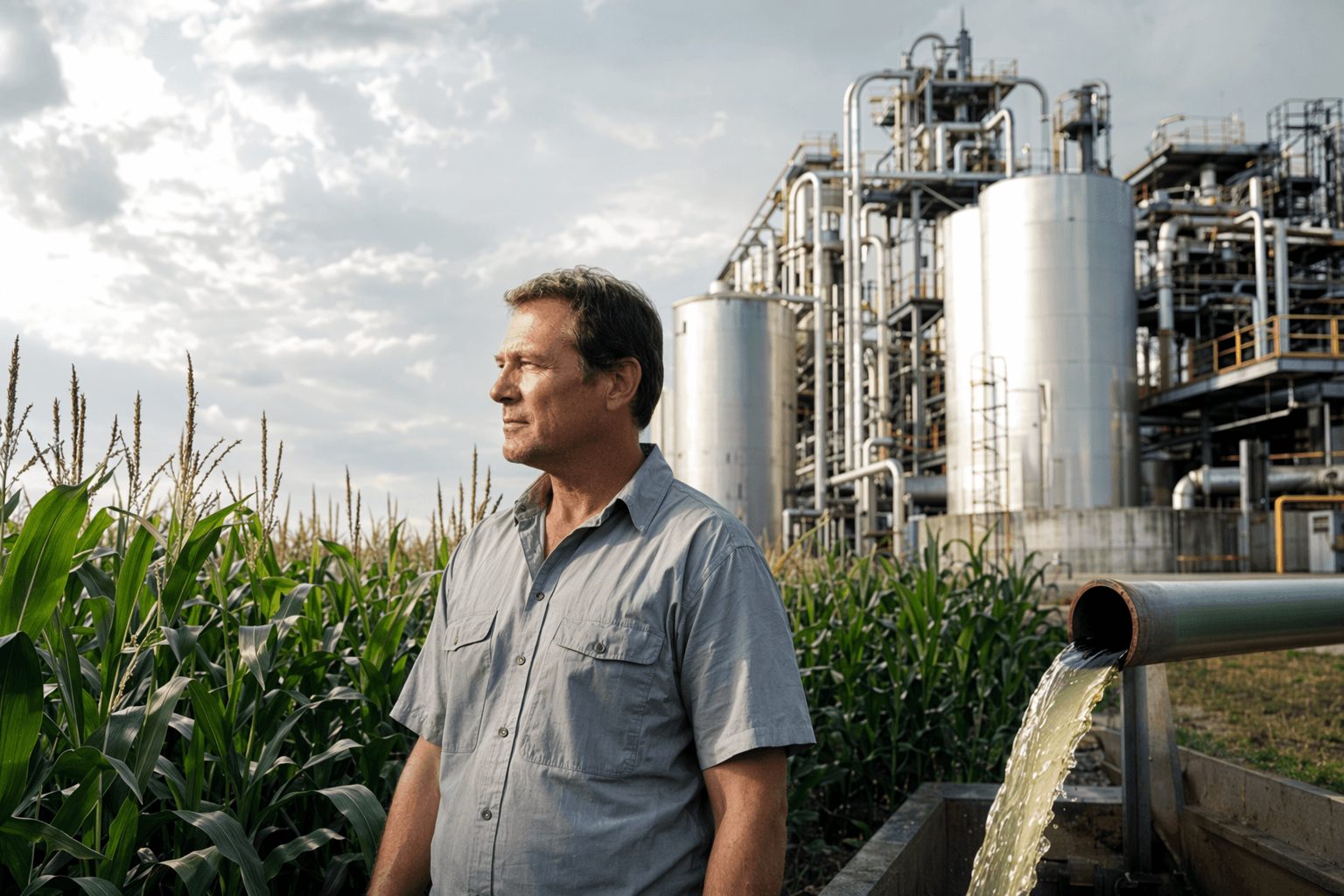
Brazil, meanwhile, could more than double foreign sales in the 2026/27 season that began in April, extending a trade dynamic that has long linked the two countries as both competitors and customers. U.S. shipments to Brazil fell to 10.1 million gallons in March 2026, down 61% from a year earlier, even as broader international demand strengthened. Higher ethanol demand can lift prices and support corn growers, cane producers, processors and mills on both sides of the hemisphere.
The current scramble has older roots. On March 9, 2007, George W. Bush and Luiz Inácio Lula da Silva publicly backed biofuel cooperation in São Paulo, signing a memorandum of understanding and framing ethanol as a long-term energy partnership. Lula said then that Brazil’s ethanol program had been built over more than 30 years of technological innovation. Two decades later, geopolitical risk is giving that idea new urgency.
This article was produced by Prism’s automated news system from verified source data, official records, and press releases, then run through automated quality and moderation checks before publishing. The system is built and supervised by the people who set the standards it runs under. Read our full AI policy.
Did this article answer your question?

