Harvard endowment chief N.P. Narvekar plans to retire by 2027
Harvard's endowment chief plans to retire, setting up a rare handoff at a fund that supplies nearly 40% of the university's operating revenue.

Harvard’s endowment machine is heading toward a leadership change that could shape how one of the world’s richest universities funds aid, research and long-term priorities. N.P. Narvekar has told Harvard’s board he plans to retire, with late 2027 discussed as a possible departure window, a transition that lands at a moment when the university’s financial model depends more than ever on the performance of its $53.2 billion investment pool.
The stakes are unusually high. Harvard said its endowment distributed $2.4 billion to the university’s operating budget in fiscal 2024, and its financial reporting shows those distributions now account for nearly 40% of annual operating revenue. That means the person running Harvard Management Company is not simply managing investments, but helping determine how much flexibility the university has to support financial aid, faculty, research initiatives and other priorities without leaning more heavily on tuition or other revenue sources.

Narvekar has run Harvard’s investment office since December 2016. Harvard Management Company says he joined after leading Columbia University Investment Management Company, following earlier work at the University of Pennsylvania Investment Office and J.P. Morgan. His compensation reflected that responsibility: Harvard reported paying him $6.2 million in 2024. The university’s endowment posted a 9.6% return in fiscal 2024, a solid result that lifted its value to $53.2 billion as of June 30, 2024.
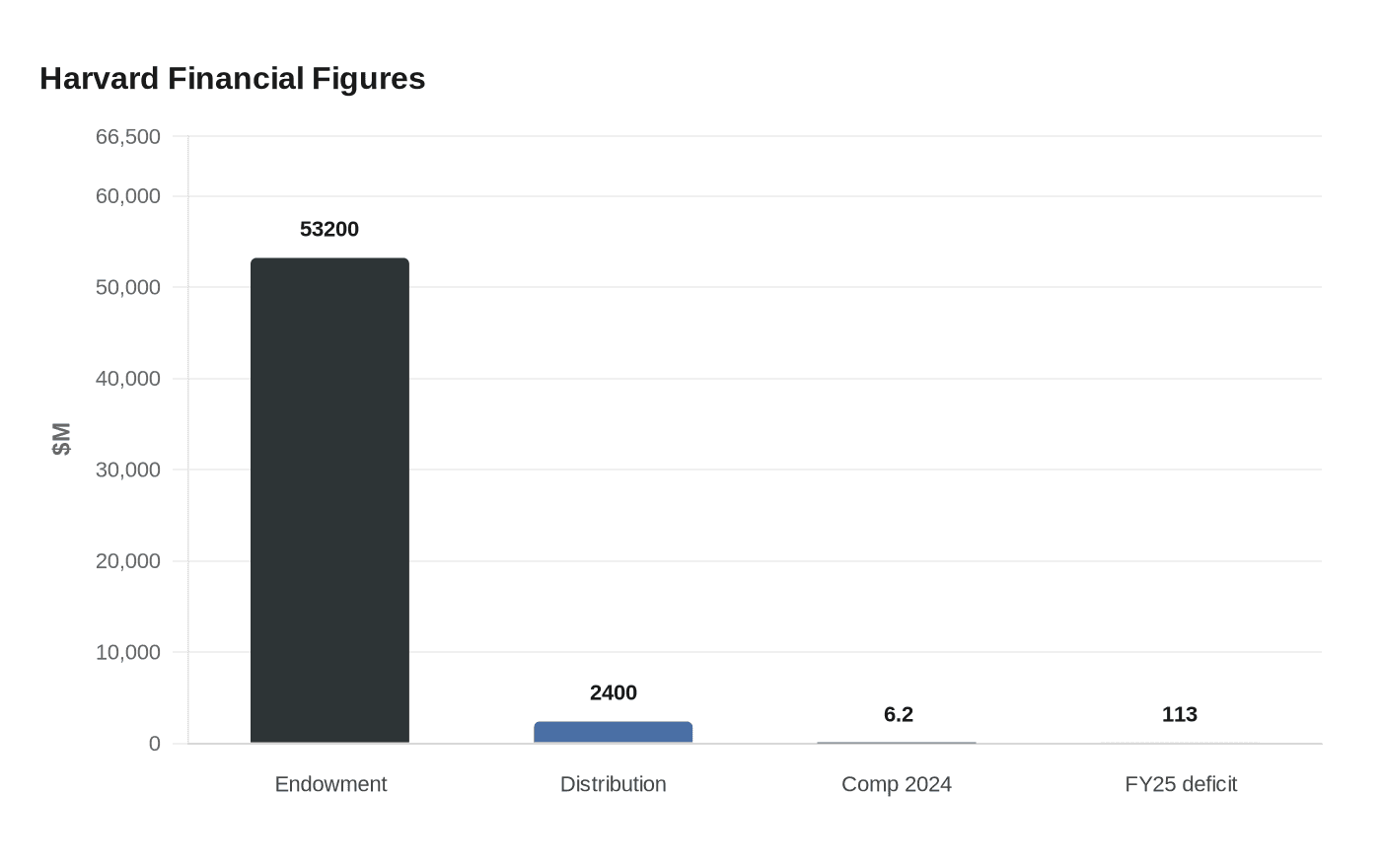
Even so, the broader financial picture shows why succession at the top matters. Harvard’s fiscal 2025 financial reporting showed a $113 million operating deficit, underscoring that endowment gains do not eliminate pressure on the university’s budget. For elite schools, a large endowment can smooth market swings and support ambitious spending, but it also invites scrutiny over how much wealth should accumulate, how aggressively it should be invested and how much of it should be spent now versus preserved for later.
That tension has defined the job Narvekar is leaving behind. Harvard’s endowment sits at the center of a wider debate over higher education finance, where universities with vast asset bases face political and donor pressure at the same time they are expected to fund more scholarships, protect academic programs and absorb volatility in the markets. A planned retirement by 2027 gives Harvard a long runway to manage the handoff, but the eventual change will be watched closely in Cambridge, among alumni and donors, and across rival campuses that track Harvard’s every investment move.
This article was produced by Prism’s automated news system from verified source data, official records, and press releases, then run through automated quality and moderation checks before publishing. The system is built and supervised by the people who set the standards it runs under. Read our full AI policy.
Did this article answer your question?

