Global Freedom Declines Again as Authoritarian Regimes Deepen Reach
Global freedom fell for a 20th straight year as 54 countries backslid, while authoritarian regimes extended repression across borders and into elections.
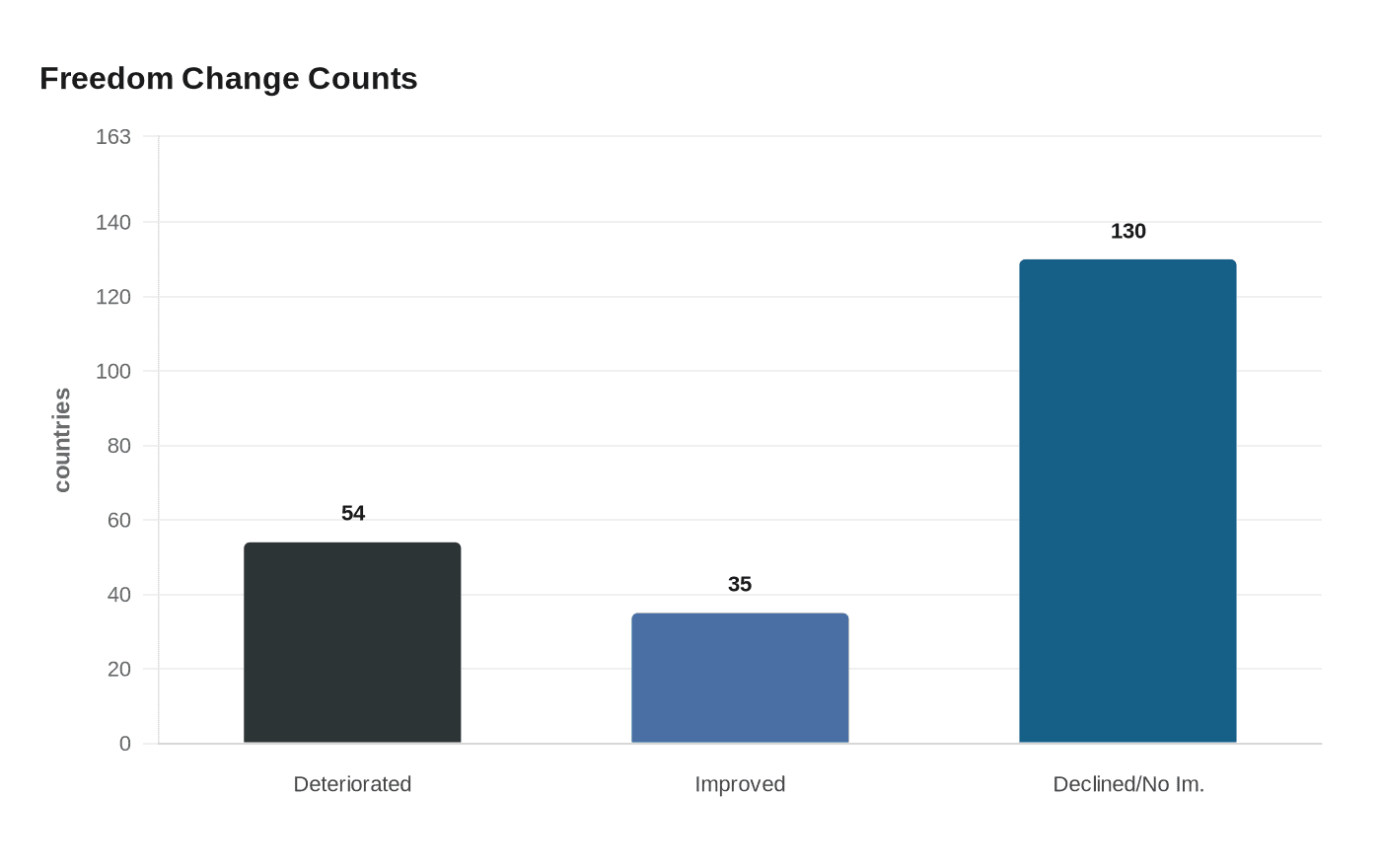
Freedom narrowed again in 2025, with 54 countries deteriorating in political rights and civil liberties while only 35 improved. That marked the 20th consecutive year of decline, a streak that now defines the global democratic landscape more than any single election or crisis.
The numbers point to a broad erosion, not a temporary dip. The Economist Intelligence Unit said the global Democracy Index fell to 5.17 in 2024, an historic low on its 0-to-10 scale, and found that 130 of 167 countries either declined or made no improvement. It also said 39.2% of the world’s population now lives under authoritarian rule, while only about one-fifth live in countries rated Free and roughly two-fifths live in countries rated Not Free.
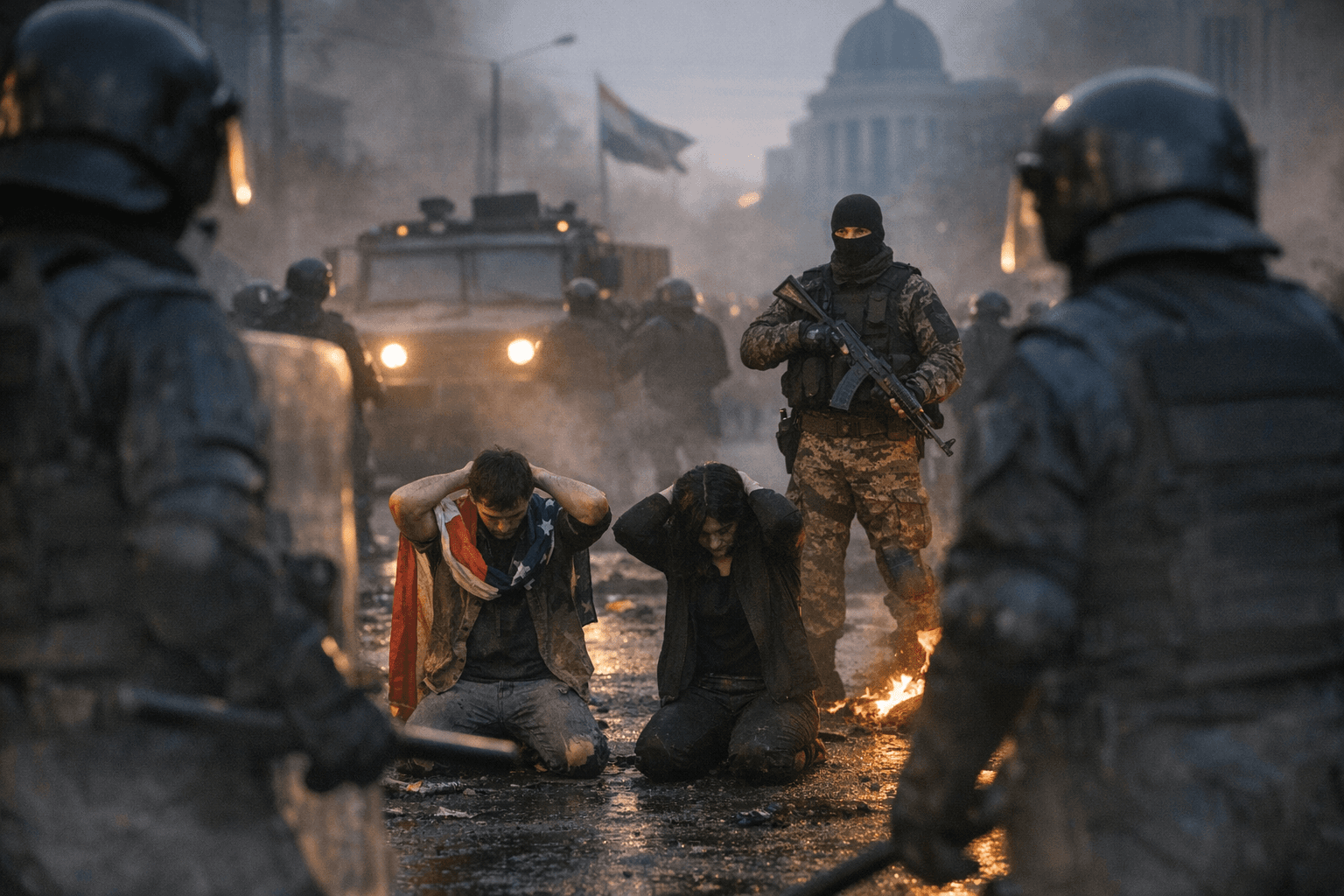
The pressure is not contained within borders. Freedom House recorded 126 new incidents of physical, direct transnational repression in 2025, bringing its database from 2014 through 2025 to 1,375 cases. Much of the activity was tied to collaboration among authoritarian governments in Southeast Asia and East Africa, and Freedom House identified six new governments, Afghanistan, Benin, Georgia, Kenya, Tanzania and Zimbabwe, as using transnational repression tactics for the first time.
That cross-border reach has turned exile, dissent and organizing into riskier acts. Opposition figures, journalists and activists increasingly face surveillance, intimidation and punishment even after crossing borders, a sign that authoritarian power now follows critics far beyond the ballot box. The pattern reinforces a broader trend captured by V-Dem’s 2025 Democracy Report, which described 25 years of autocratization and said more than half of all countries assessed have declined in at least one key democratic dimension over the past five years.
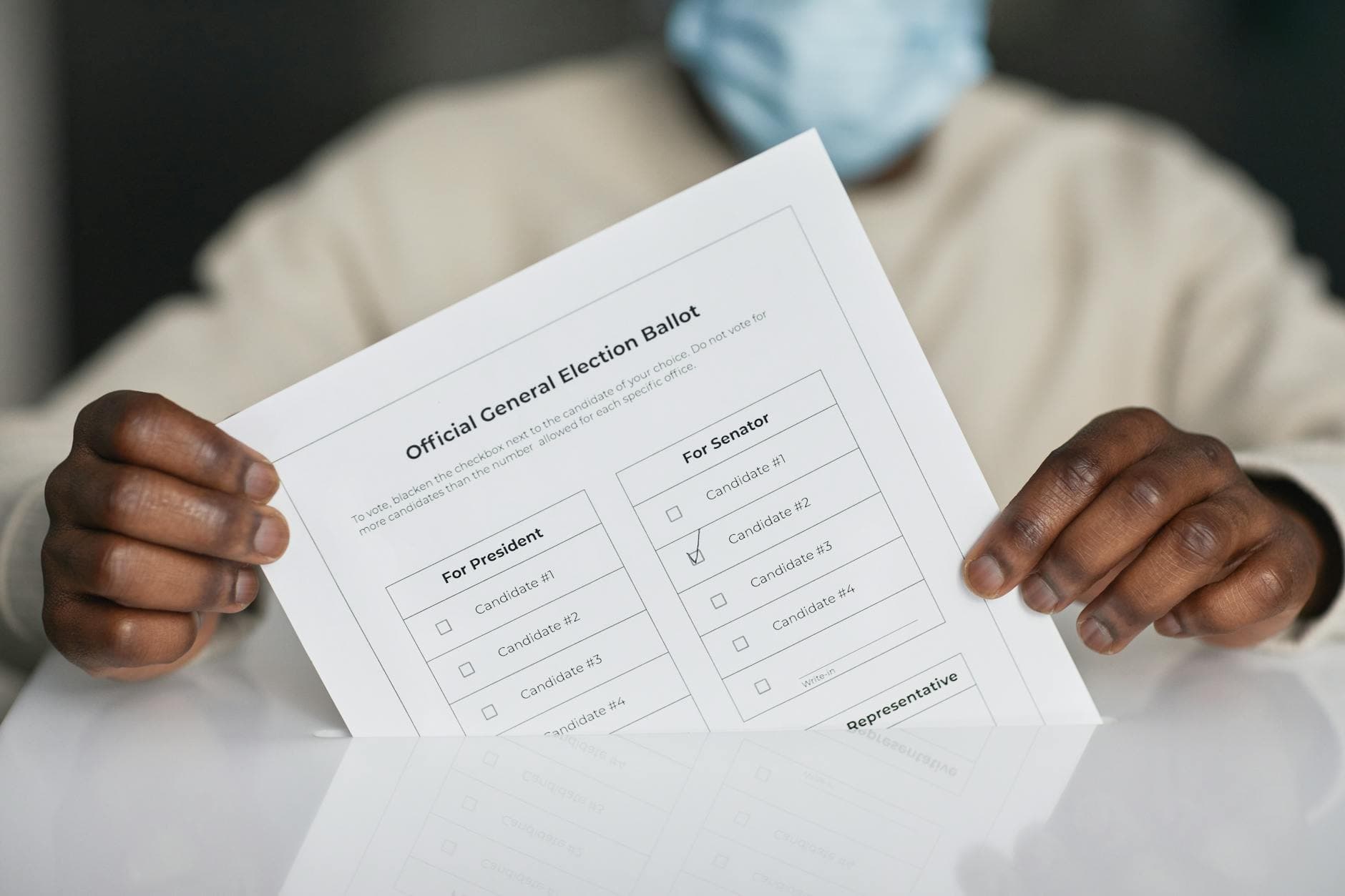
Elections have been a central pressure point. Freedom House said many contests in 2024 were marred by violence and repression of political opponents, while authoritarian incumbents in countries including Azerbaijan and Rwanda prevented real competition by disqualifying or arresting opponents. The result is a shrinking space where elections still happen, but with the outcome often shaped by coercion before voting begins.
Taken together, the data show a world in which democratic backslide is no longer episodic. It is cumulative, transnational and increasingly normal, with state power reaching into courts, campaign fields, media systems and exile communities alike.
This article was produced by Prism’s automated news system from verified source data, official records, and press releases, then run through automated quality and moderation checks before publishing. The system is built and supervised by the people who set the standards it runs under. Read our full AI policy.
Did this article answer your question?