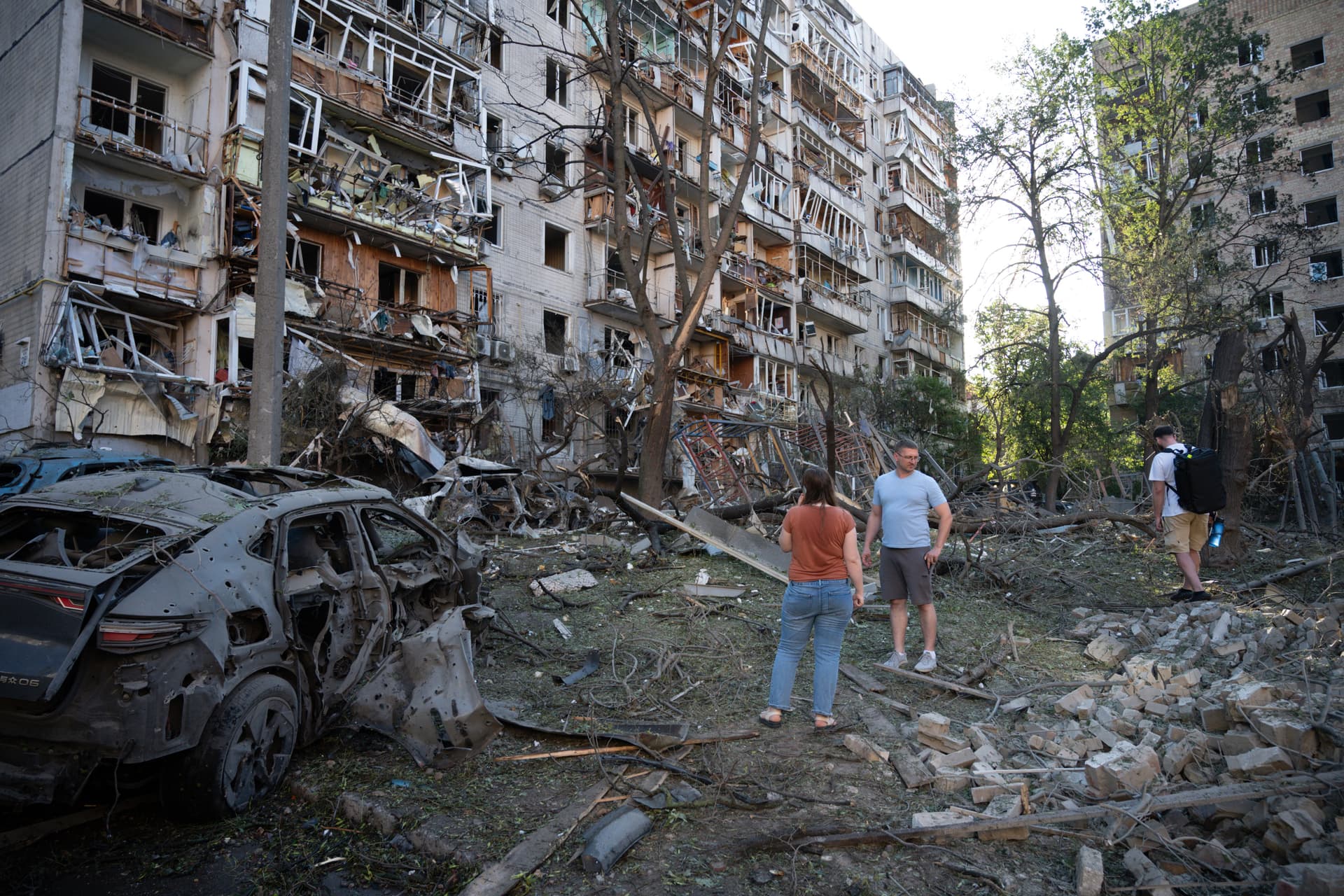
Global Leaders Condemn U.S. Strikes in Venezuela, Demand De‑escalation
World governments and international organizations issued swift, often harsh, condemnations after reports that U.S. forces carried out strikes inside Venezuela on Jan. 3 and that President Nicolás Maduro had been captured. The broad diplomatic backlash raises the prospect of new U.N. deliberations, regional polarization and economic spillovers in oil markets and trade links across Latin America.

Reports that the United States conducted military strikes inside Venezuela on Jan. 3 and that President Nicolás Maduro had been captured prompted an unusually rapid and wide-ranging international outcry on Jan. 4. U.S. media cited the announcement by President Donald Trump that Maduro and his wife had been taken in a U.S. operation, but diplomatic sources and foreign governments emphasized discrepancies in formal confirmation and urged restraint while states and international bodies sought clarity.
Leaders across Latin America framed the operation as a violation of sovereignty and a dangerous escalation. Brazil’s President Luiz Inácio Lula da Silva said the actions “recall the worst moments of interference in the politics of Latin America and the Caribbean and threaten the preservation of the region as a zone of peace,” and added, “The US bombings and Maduro’s capture are unacceptable.” Colombia’s President Gustavo Petro called for respect for international law and for the protection of life and human dignity over armed confrontation. Cuban President Miguel Díaz‑Canel described the U.S. action as a “criminal attack” and characterized the operation as “state terrorism.” Venezuelan authorities denounced the strikes as an “extremely serious military aggression,” and Venezuelan Foreign Minister Yván Gil engaged in multiple phone conversations with foreign counterparts as protests and solidarity demonstrations were reported in Caracas.
Outside the hemisphere, China and Russia criticized the U.S. action during an earlier set of U.N. Security Council meetings convened by Venezuela, though no resolution emerged from those sessions. Iran’s foreign ministry said it “strongly condemns the American military attack on Venezuela and the flagrant violation of the national sovereignty and territorial integrity of the country.” In Europe, the European Union’s foreign policy chief urged restraint, saying “under all circumstances, the principles of international law and the U.N. Charter must be respected,” and Spanish and Italian officials called for de‑escalation and assurances for their citizens in Venezuela. In Germany, Left Party lawmaker Sören Pellmann urged Berlin to “clearly and unequivocally” condemn U.S. strikes, calling them a “clear violation” of international law and warning of a “further dangerous escalation” if reports that Maduro was taken out of the country proved accurate. The U.N. human rights chief said they were “alarmed” by developments.
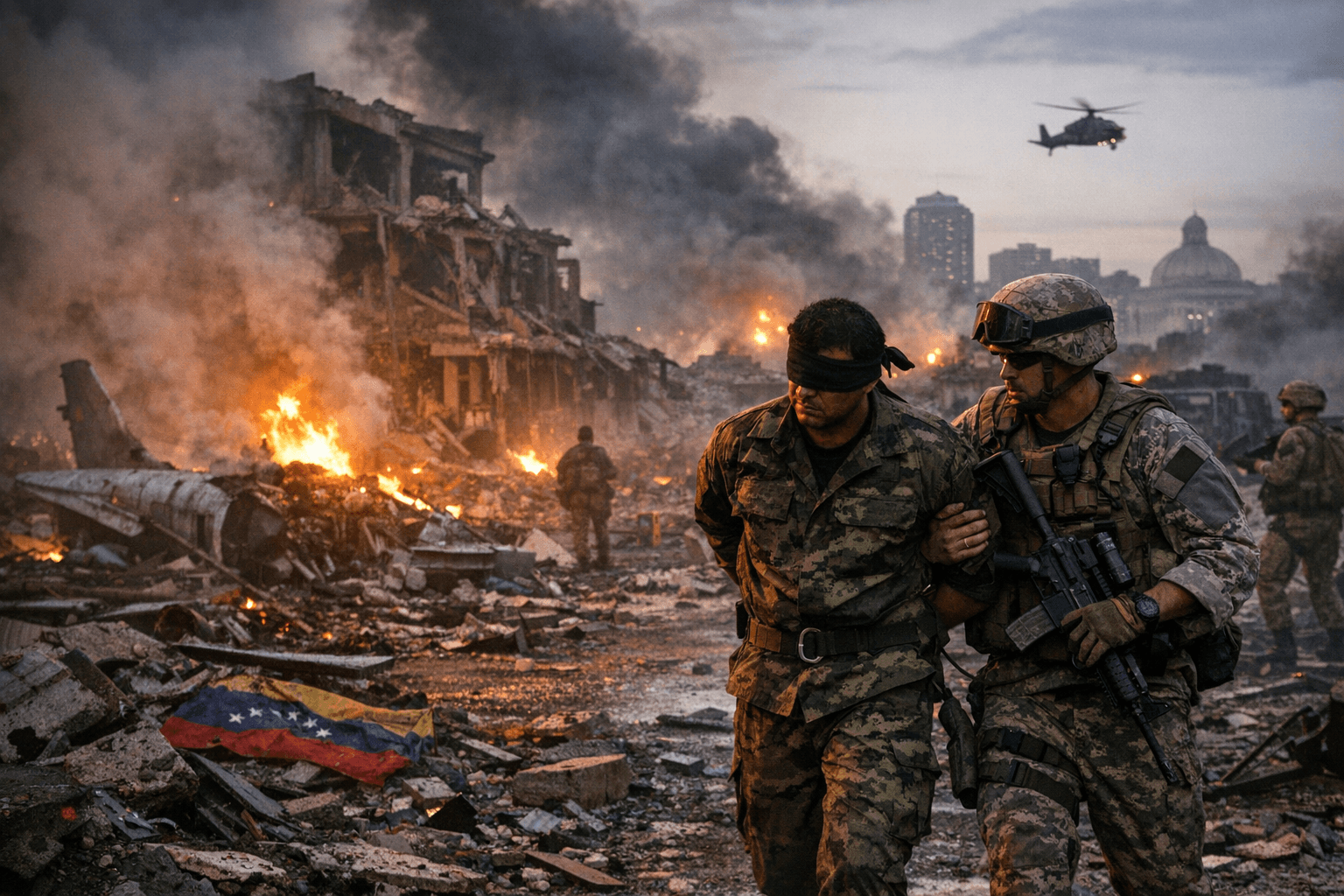
Venezuela has requested an emergency meeting of the U.N. Security Council, setting the stage for diplomatic battles over legitimacy, intervention and accountability. Brazil has urged a forceful U.N. response, and several governments signaled intensified consular monitoring for citizens in Venezuela. The immediate diplomatic agenda will be dominated by efforts to verify competing accounts of the operation, to secure humanitarian access, and to prevent further military escalation.
Beyond diplomacy, economists and investors will watch for near‑term market and economic effects. Venezuela remains a major holder of crude reserves and any sustained disruption could reverberate through regional trade, energy markets and refugee flows that have already strained neighboring economies. Deeper geopolitical rifts could also complicate sanctions regimes, foreign investment and the long‑term prospects for Venezuela’s reconstruction, underscoring how a short military episode may have lasting economic and political consequences for the region.
This article was produced by Prism’s automated news system from verified source data, official records, and press releases, then run through automated quality and moderation checks before publishing. The system is built and supervised by the people who set the standards it runs under. Read our full AI policy.
Did this article answer your question?