Global oil demand falls, but U.S. drivers keep buying gas
Gasoline prices rose back to $3.84 on July 9 even as global oil demand is headed lower. U.S. drivers still burned 8.9 million barrels a day in 2025.
The national average for regular gasoline rose to $3.84 on July 9, after weeks of declines, even as the International Energy Agency projected global oil demand would fall by 1.1 million barrels a day in 2026. The gap captures a market where geopolitical risk keeps traders on edge while American driving habits remain stubbornly difficult to unwind.
The IEA’s June 2026 Oil Market Report cut its 2026 demand forecast by 700,000 barrels a day from May, after second-quarter deliveries plunged by 5 million barrels a day from a year earlier amid higher fuel prices and product-supply disruptions. The agency expects demand growth to rebound in 2027 as trade flows normalize, oil prices ease and the economic outlook improves. The U.S. Energy Information Administration said in a June 9 release that the world is already consuming about 1 million fewer barrels of oil per day on average than in 2025, with higher fuel prices, reduced fuel availability and government initiatives weighing especially on Asia.

The supply side has not helped prices break decisively lower. The IEA said global oil supply rose by 3 million barrels a day in 2025 from 2024 as OPEC+ production returned and non-OPEC+ output, especially from the Americas, kept climbing. That leaves the market trying to balance weaker demand against the possibility of a supply shock through the Strait of Hormuz, where conflict fears have kept attention fixed on shipments and insurance risk.
In the United States, gasoline demand has been slower to bend. The EIA said annual motor gasoline consumption averaged 8.9 million barrels a day in 2025, down 1% from 2024 and 4% below 2019, even as vehicle miles traveled rose because improving fuel efficiency offset driving growth. The agency also said U.S. oil consumption increased by 170,000 barrels a day, or 0.9%, in 2025. That is the clearest sign that American driving remains unusually sticky, reinforced by car-dependent geography, truck and SUV preferences, commuting patterns and limited transit alternatives.
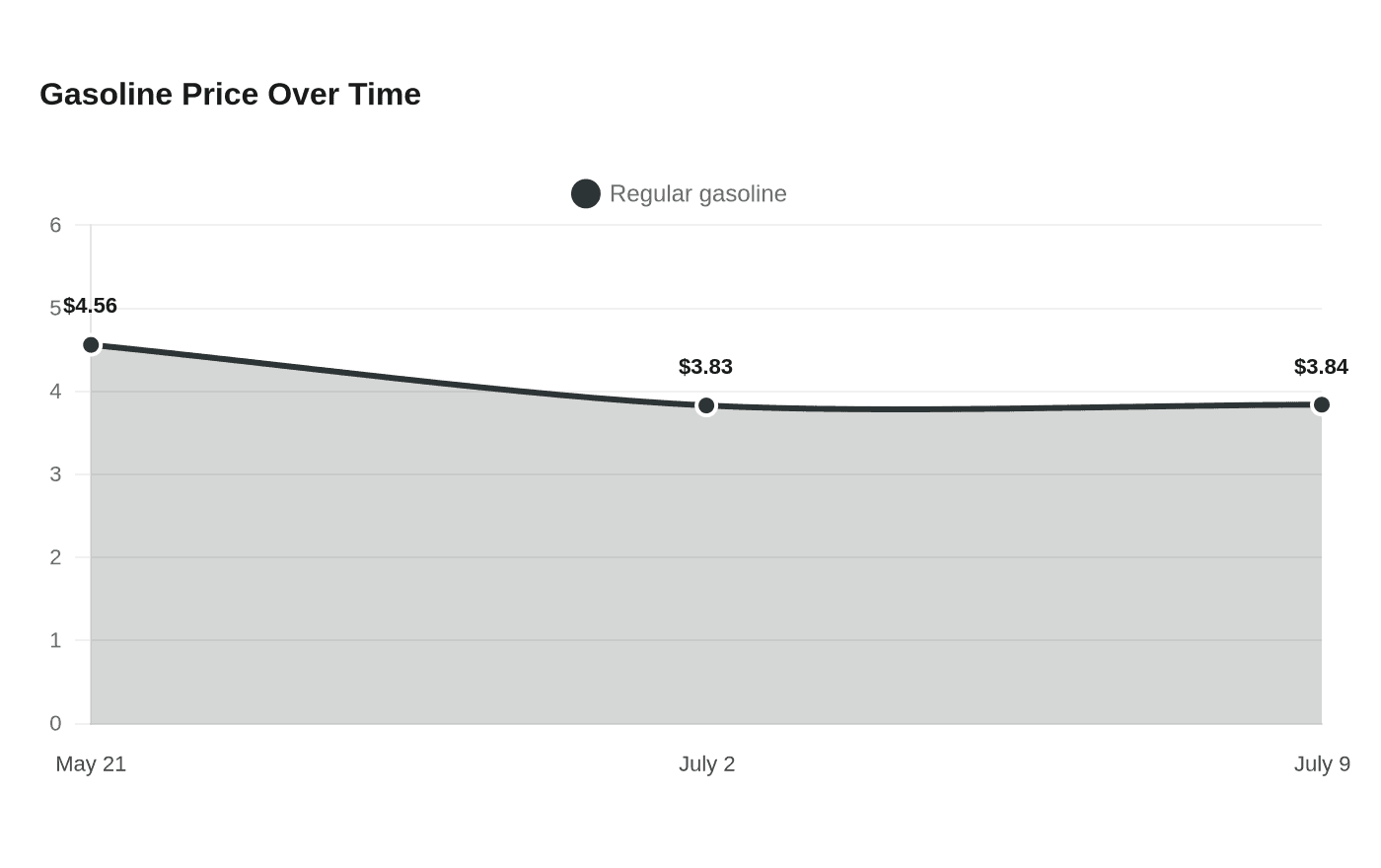
AAA’s price data show how quickly the pump still reacts to global tension. The national average for regular gasoline was $3.83 on July 2, nearly 50 cents below a month earlier and still above a year ago, after peaking at $4.56 on May 21. By July 9, it had ticked back up to $3.84 as uncertainty around the U.S.-Iran ceasefire continued to influence prices. For refiners, the message is straightforward: global oil demand is weakening, but the U.S. market is still demanding gasoline, and climate targets will have to contend with that reality.
This article was produced by Prism’s automated news system from verified source data, official records, and press releases, then run through automated quality and moderation checks before publishing. The system is built and supervised by the people who set the standards it runs under. Read our full AI policy.
Did this article answer your question?