Iran conflict drives up energy and fertilizer costs for U.S. farmers
Strait of Hormuz disruptions have pushed diesel to $5.40 a gallon and nitrogen fertilizer to $683 a metric ton, squeezing U.S. farm margins at planting time.

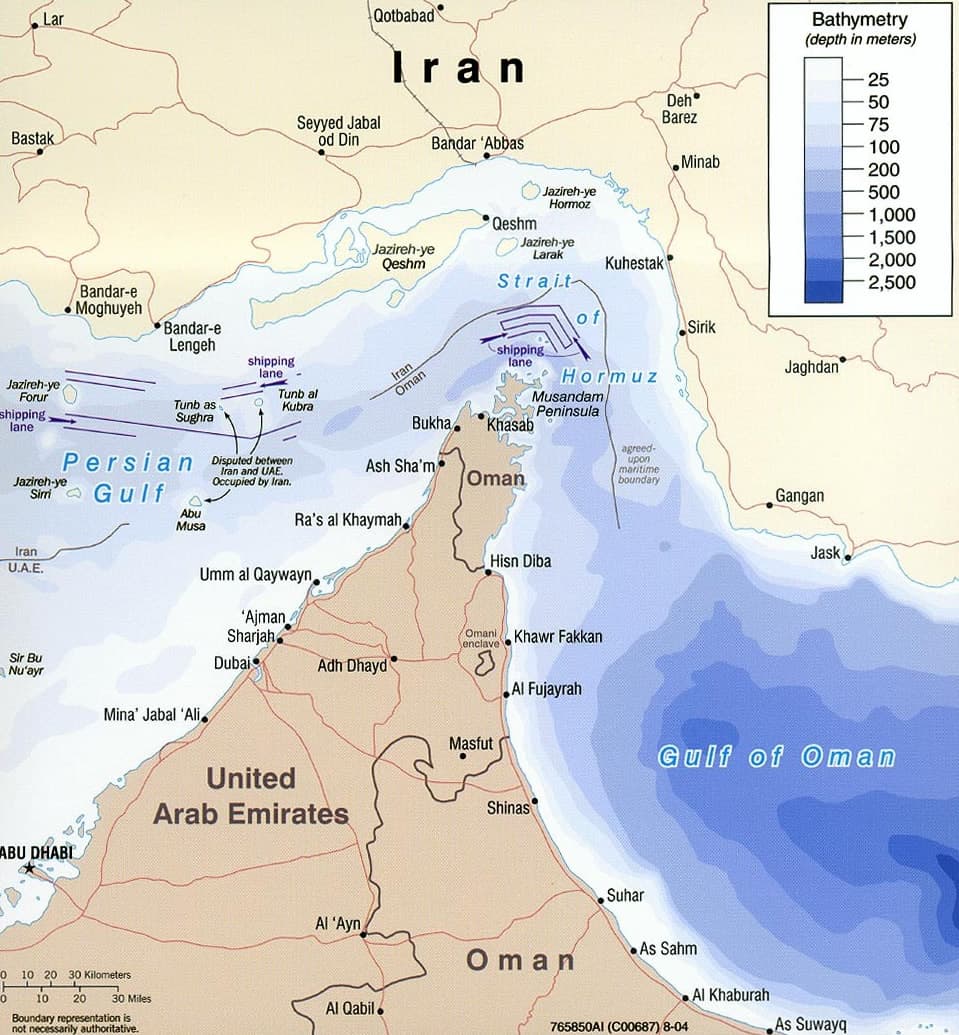
Tanker traffic through the Strait of Hormuz has collapsed by more than 90 percent as the Iran conflict shakes a waterway that carries about 20 million barrels of oil a day, roughly 35 percent of global crude flows. The same corridor moves one-fifth of global LNG and up to 30 percent of internationally traded fertilizers, and war-risk insurance premiums in the region have jumped from 0.25 percent to as high as 10 percent of vessel value.
For U.S. farmers, that shock is landing first in diesel, fertilizer and freight. The Food and Agriculture Organization projects the disruption is hitting energy, fertilizer and agrifood systems at the same time, with global fertilizer prices likely to average 15 percent to 20 percent higher in the first half of 2026 if the crisis persists. The Gulf region also accounts for nearly half of global sulfur trade, a key ingredient in sulfuric acid used to make phosphate fertilizer.
The American Farm Bureau Federation warned that the Middle East’s role in fertilizer trade leaves American planting costs exposed. On March 9, 2026, federation president Zippy Duvall urged President Donald Trump to intervene, warning that instability in the Strait of Hormuz could push already record-high input prices even higher for farmers who are still finalizing purchases. Farm Bureau economist Faith Parum estimated that countries exposed to disruptions around the Persian Gulf account for about 49 percent of global urea exports and roughly 30 percent of global ammonia exports.
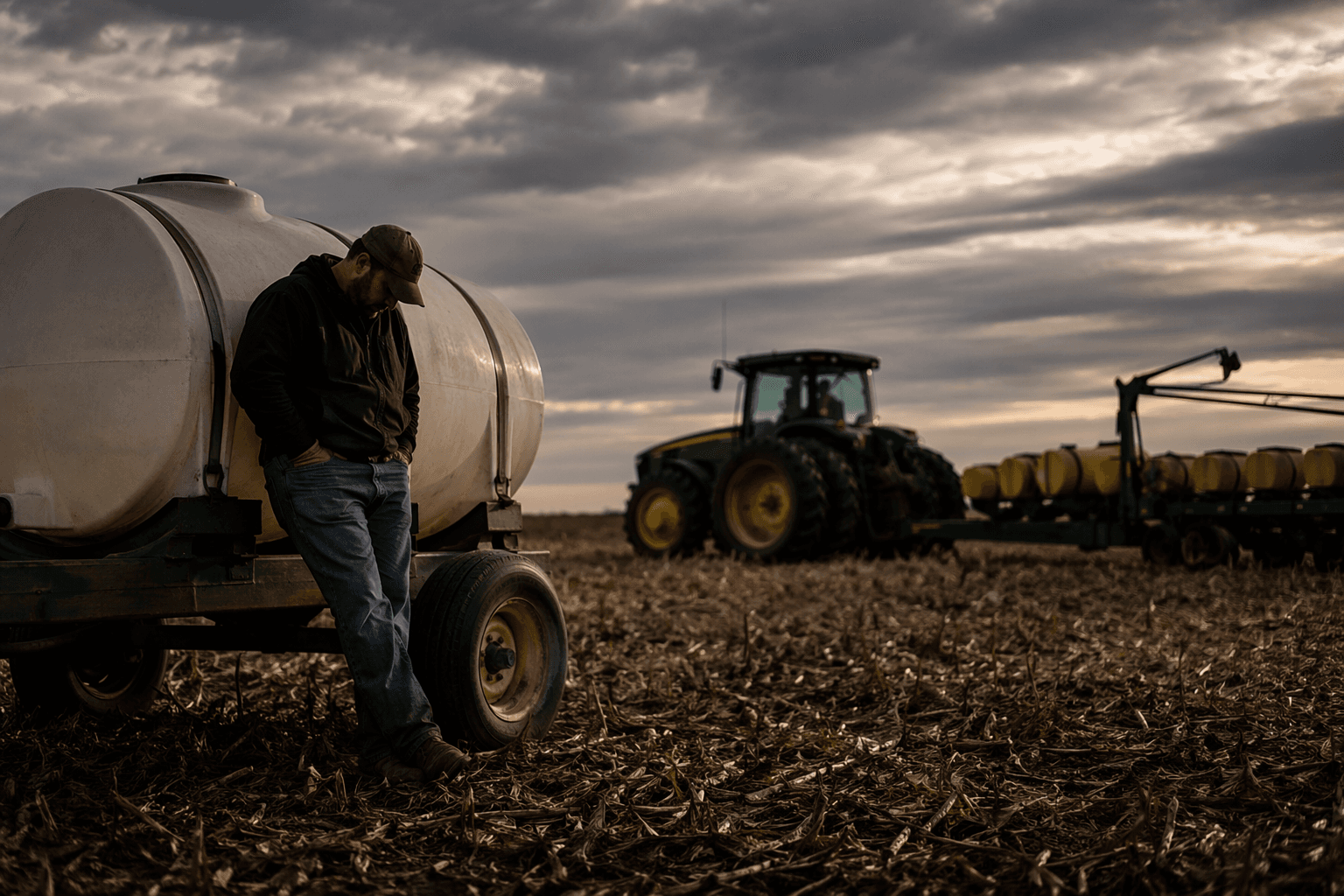
The price pressure is already visible at the farm gate. S&P Global data put average U.S. diesel prices at $5.40 a gallon on March 31, up $1.81 from a year earlier, while USDA planting intentions showed 95.3 million acres of corn and 84.7 million acres of soybeans for 2026.
Purdue Center for Commercial Agriculture economists Ken Foster and Bernhard Dalheimer calculated crude oil rose from about $70 to more than $110 a barrel after the Strait closure, while nitrogen fertilizer at the Port of New Orleans jumped from about $516 per metric ton to $683 per metric ton within a week. Fertilizer typically accounts for 20 percent to 30 percent of total corn production costs, compared with diesel’s roughly 5 percent to 10 percent share. CERA projected that the Middle East will export 10 million metric tons of nitrogen in 2026, about 23.4 percent of global exports, and 23 million metric tons of urea, or 38.5 percent of global outflows.
Farm groups are also pressing for relief on trade barriers, including countervailing duties on phosphate fertilizers from Morocco and Russia.
This article was produced by Prism’s automated news system from verified source data, official records, and press releases, then run through automated quality and moderation checks before publishing. The system is built and supervised by the people who set the standards it runs under. Read our full AI policy.
Did this article answer your question?