Global Temperatures Among Highest, Central Asia and Sahel Record Heat
Provisional data from the European Union's Copernicus climate service indicate 2025 will rank among the three warmest years on record globally, with entire Central Asia, much of the Sahel and parts of northern Europe experiencing their hottest year. The finding reinforces mounting pressure on governments to accelerate emissions reductions, scale up adaptation investments and address growing humanitarian and economic strain.
Provisional analysis released by the European Union's Copernicus climate service shows that 2025 will likely stand as the third warmest year on record globally or be placed among the top three, confirming a continued trajectory of exceptional heat across the planet. The dataset highlights that the whole of Central Asia, large swaths of the Sahel region in Africa and portions of northern Europe recorded their warmest year since instrumental records began, underscoring the unequal geography of warming and its varied human consequences.
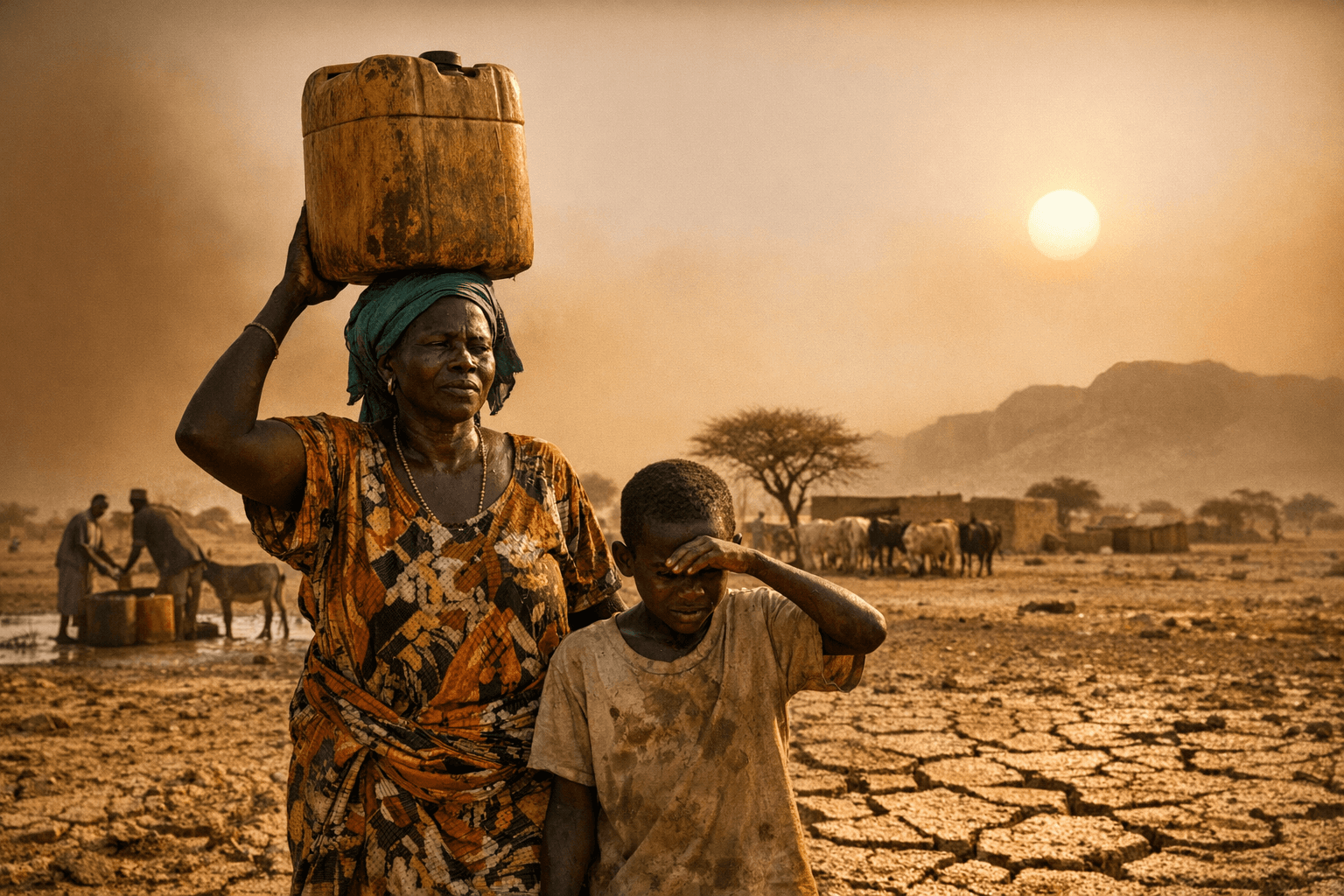
Scientists and policymakers interpret the Copernicus findings against a backdrop of long term planetary warming driven by greenhouse gas emissions. Beyond global averages, the regional anomalies are stark. In Central Asia, elevated temperatures compound chronic water stress and threaten wheat harvests and livestock herds that sustain rural and nomadic communities. Across the Sahel, where pastoralist and farming livelihoods are already vulnerable, sustained heat and erratic rainfall intensify food insecurity and heighten competition over shrinking grazing and water resources. In northern Europe, unaccustomed warmth has strained ecosystems, altered agricultural cycles and tested infrastructure designed for cooler climates.
The provisional record for 2025 carries immediate diplomatic and legal implications. Nations most exposed to warming are likely to press wealthier historical emitters for deeper near term emissions cuts and for expanded climate finance, including adaptation support and compensation for loss and damage. The question of who pays and how funds are delivered remains central to international climate negotiations and to bilateral diplomatic engagements. Established frameworks under the United Nations Framework Convention on Climate Change create obligations for cooperation and differentiated responsibility, but gaps persist between pledged financing and on the ground needs.
Human rights and cultural dimensions are prominent in the regions flagged by Copernicus. In the Sahel and Central Asia, many affected communities rely on traditional knowledge and seasonal mobility to cope with climate variability. Mounting heat undermines these strategies and increases the risk of displacement, with legal and humanitarian consequences for neighboring states and regional organizations. Urban centers in northern Europe face their own equity challenges, as elderly and low income residents bear disproportionate burdens from heat related illness and energy costs.
The provisional nature of the analysis means final rankings may adjust as full year data are finalized, yet the broader pattern is unmistakable. For diplomats and policymakers preparing for upcoming global climate forums, the data will sharpen arguments for accelerated mitigation, more predictable financing and reinforced mechanisms to assist vulnerable populations. For communities on the front lines, the science reinforces an urgent reality that warming is not an abstract metric but a present force reshaping economies, cultures and cross border relations. The international response in the months ahead will test whether existing institutions can translate scientific warning into effective and equitable action.
This article was produced by Prism’s automated news system from verified source data, official records, and press releases, then run through automated quality and moderation checks before publishing. The system is built and supervised by the people who set the standards it runs under. Read our full AI policy.
Did this article answer your question?