GLP-1 users cut grocery spending as appetites fall
GLP-1 households spent £418 less a year on groceries, while gum, mouthwash and hair dye sales rose as snacks, pastries and alcohol fell.
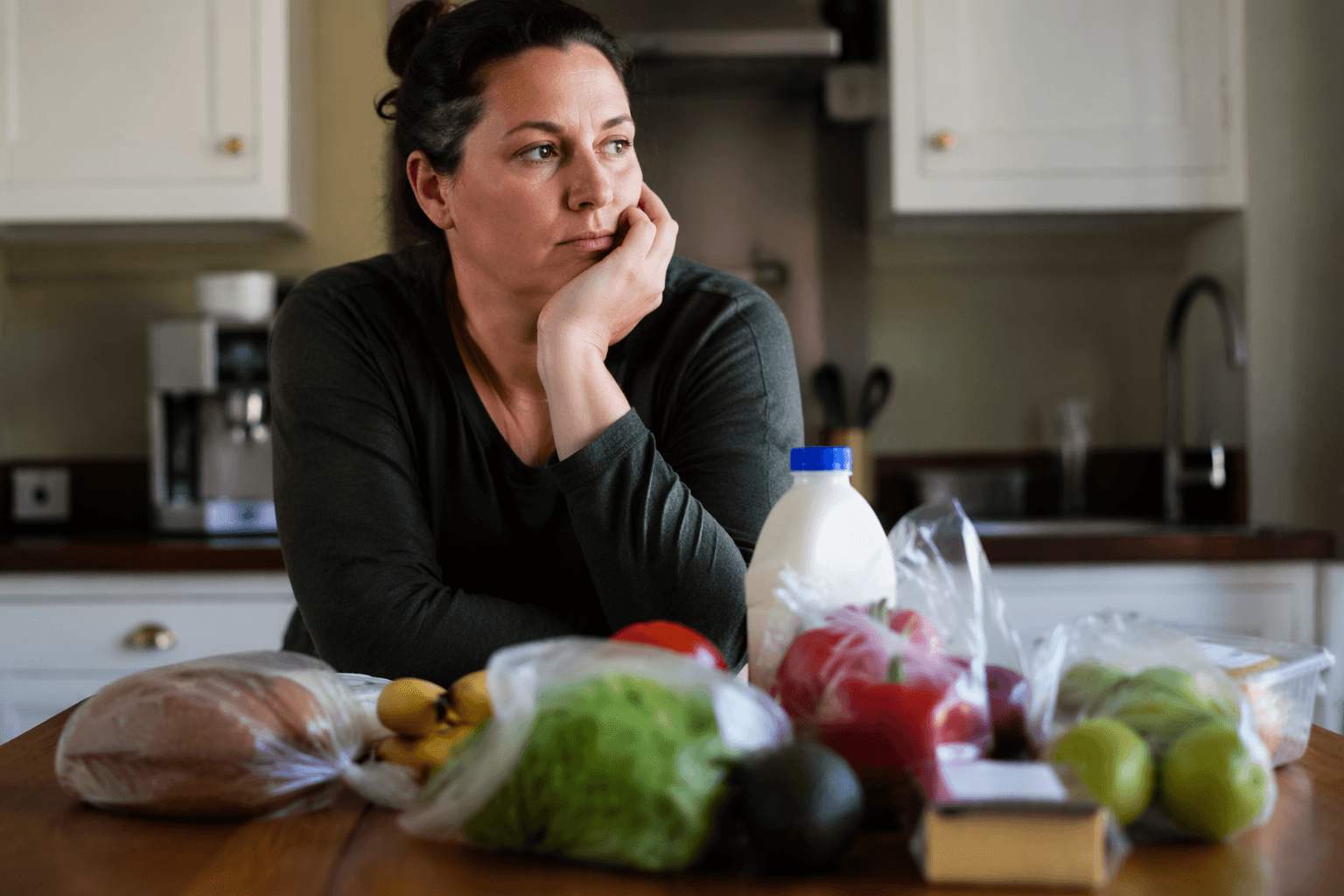
Weight-loss drugs are starting to change more than waistlines. In a June 2026 study of more than 11,000 UK households, households with at least one GLP-1 user spent an average of £418 less on groceries in the year after starting treatment, adding up to an estimated £780m drop in national grocery spending.
The shift is showing up in the basket, not just the bill. Worldpanel by Numerator found people buying less chocolate, pastries and alcohol, while spending more on fruit and protein-rich foods such as prawns. Purchases of chewing gum, mouthwash and hair dyes also rose, a pattern that points to the small but visible ways GLP-1 side effects can spill into everyday shopping.
Nishita Pattni, a Worldpanel consultant, said weight-loss jabs were “not simply reducing spending but reshaping it.” That change matters for supermarkets and brand owners because it moves demand away from impulse treats and toward categories that fit smaller meals, higher-protein diets and personal-care items tied to treatment side effects.
The effect is spreading beyond grocery aisles. IGD said in July 2025 that its survey of more than 2,000 nationally representative British adults found 3% had personally tried weight-loss injections, 26% knew someone who had and 11% would be willing to try them. By April 2026, IGD said about 6% of people were using weight-loss medications, almost double the share from the previous June.
IGD also found that eating out is changing alongside home shopping. Almost a third of GLP-1 users said they were visiting restaurants less, rising to 43% for fast-food restaurants, and many said they chose smaller portions or healthier dishes when they did go out. That creates a second-order hit for quick-service chains and coffee shops, which Cornell University research also found were seeing lower spending from GLP-1 households.
Cornell researchers found that within six months of starting a GLP-1 medication, households cut grocery spending by an average of 5.3%, with reductions of more than 8% among higher-income households. The university also found spending at fast-food restaurants and coffee shops fell, but that households tended to return to pre-adoption spending patterns after stopping the medication, a sign that the disruption may be powerful but not always permanent.
This article was produced by Prism’s automated news system from verified source data, official records, and press releases, then run through automated quality and moderation checks before publishing. The system is built and supervised by the people who set the standards it runs under. Read our full AI policy.
Did this article answer your question?