GLP-1 Weight-Loss Drugs Spark New Hair-Loss Consumer Market
Hair thinning tied to GLP-1 drugs is opening a new market for shampoos, scalp treatments and regrowth products as users spend beyond the pharmacy.

The latest spillover from GLP-1 weight-loss drugs is not showing up first in the pharmacy aisle, but in the mirror. Hair thinning, a side effect now built into the labels for Wegovy and Zepbound, is creating demand for shampoos, scalp treatments, supplements, diagnostics and salon services, turning an unwanted medical reaction into a new consumer category.
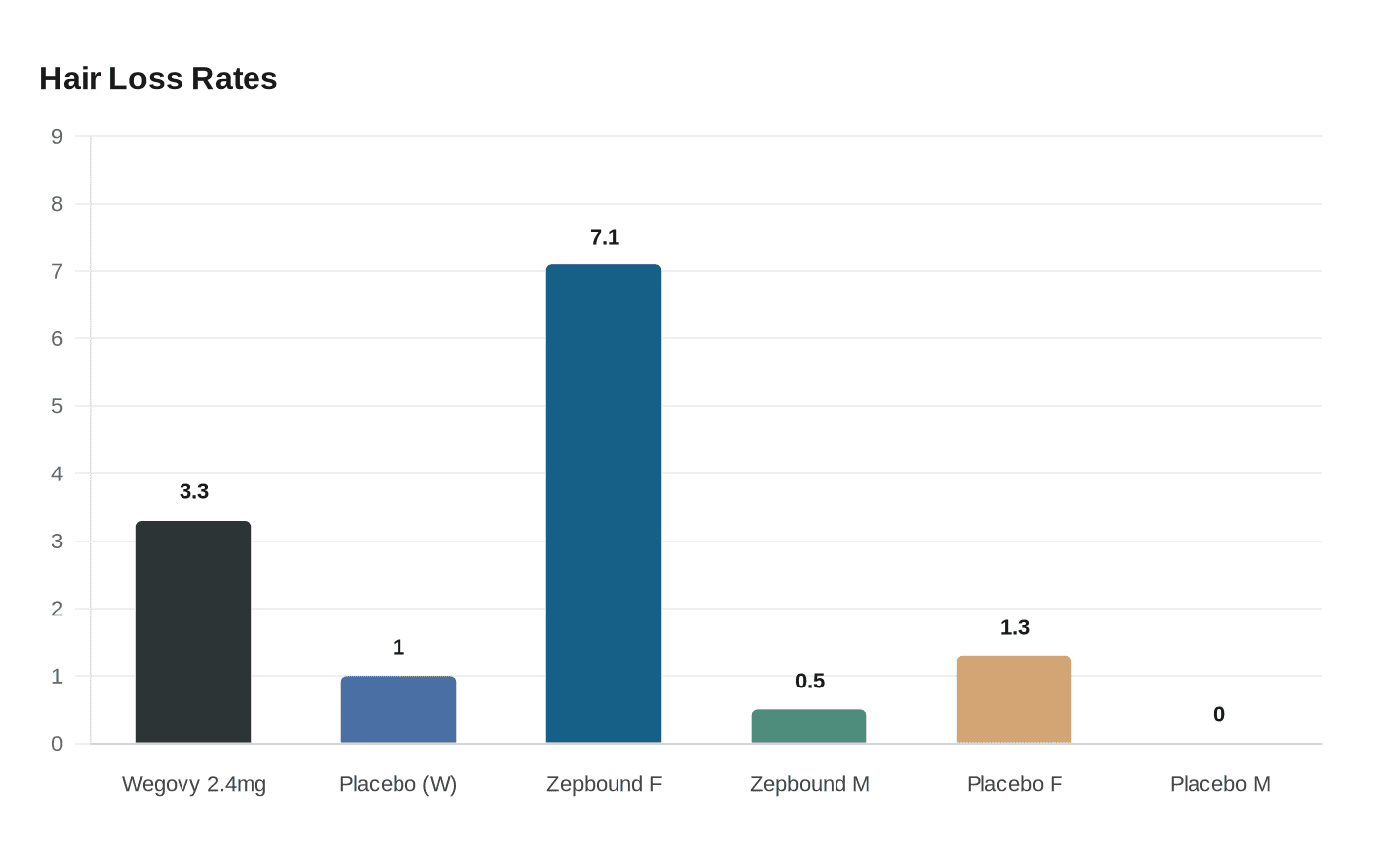
The commercial case is rooted in the scale of the drugs’ reach. Wegovy’s prescribing information says hair loss adverse reactions were associated with weight reduction, and the issue was reported in 3.3% of patients taking the 2.4 mg dose, compared with 1% on placebo. Zepbound’s label says the same, with hair loss reported in 7.1% of female patients and 0.5% of male patients, versus 1.3% of female placebo patients and 0% of male placebo patients. In other words, as GLP-1 use expands, more consumers are running into the same cosmetic problem at the same time.
Dermatologists say the effect is not a mystery skin-deep reaction. The American Academy of Dermatology says GLP-1 drugs can affect skin, hair and nails, and advises patients who notice changes to talk with their medical team and a board-certified dermatologist. In recent dermatology literature, the hair-loss pattern is often described as telogen effluvium, a typically temporary shedding response tied to rapid weight loss or metabolic stress rather than direct medication toxicity.
That distinction matters for business as much as for medicine. If the shedding is linked to the weight-loss journey itself, then brands have a ready-made customer base looking for relief while they remain on the drugs. GLP-1 medications first rewired diabetes care, then obesity treatment, and now they are extending into beauty and personal care, where companies are hunting for the next growth lane in a sector that had been stagnant for years.
Retail data show why the market is watching closely. Circana found in January 2025 that GLP-1 users cut food and beverage purchases during the first three months of use, then moved back closer to benchmark levels by the end of year one. That changing basket has already reached food brands, with Hershey saying its Ice Breakers gum and mints rose 8% in the first quarter as GLP-1 adoption spread. The same consumer group is now beginning to spend on hair-loss fixes as well.
The medical signal is still being mapped. A cross-sectional study in Saudi Arabia followed 254 GLP-1 users from January through June 2025, including patients on Mounjaro, Ozempic, Saxenda and Victoza, and found hair shedding common enough to keep drawing scrutiny. For companies selling scalp care and regrowth products, that is the opening. A side effect has become a market, and the GLP-1 economy is pushing far beyond weight loss alone.
This article was produced by Prism’s automated news system from verified source data, official records, and press releases, then run through automated quality and moderation checks before publishing. The system is built and supervised by the people who set the standards it runs under. Read our full AI policy.
Did this article answer your question?

