GLP-1 weight-loss drugs spur demand for cosmetic procedures
GLP-1 weight-loss drugs are sending more patients to clinics for skin-tightening and fillers, opening a second market for aesthetics companies.
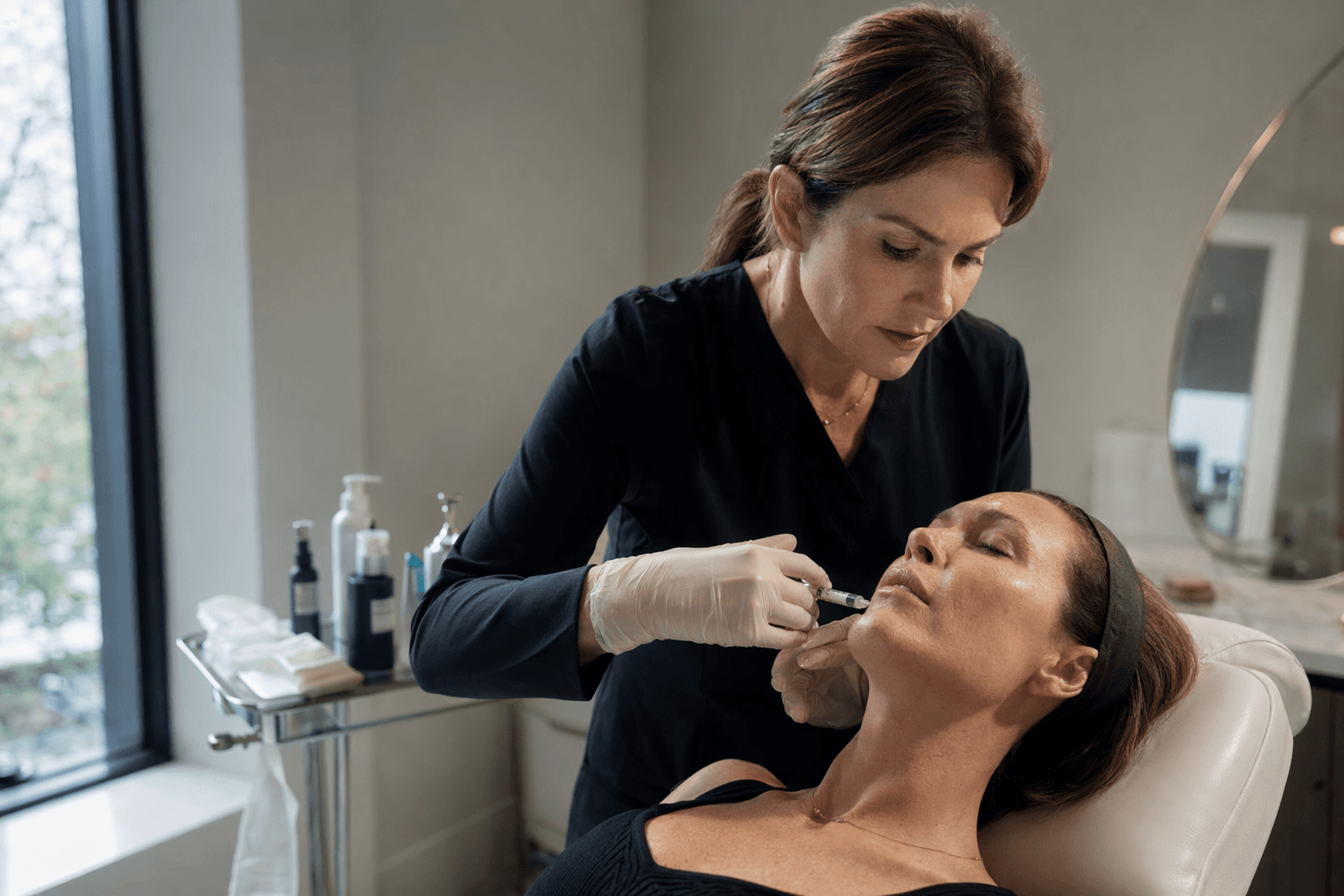
Rapid weight loss from GLP-1 drugs is creating a new revenue lane for cosmetic medicine, as patients who shed pounds increasingly seek help for loose skin, facial volume loss and body-contouring after the scale moves down. Aesthetic-device makers and injectable brands are positioning for that spillover, betting that the same drugs that transformed obesity care will also feed demand for procedures that refine what comes next.
The commercial case is getting harder to ignore. GLP-1 prescriptions grew about 38% annually between 2022 and 2024, and sales are forecast to reach $100 billion by 2030, a scale that helps explain why companies such as Apyx Medical, InMode, Establishment Labs and Evolus are targeting the post-weight-loss patient. The logic is straightforward: as semaglutide and related therapies produce faster, larger body changes, some users will want skin-tightening, body-contouring or facial-rejuvenation treatments to address the after-effects.
The shift is already showing up in clinics. The American Society of Plastic Surgeons said in November 2023 that it was seeing an uptick in patients seeking skin-tightening procedures after major weight loss tied to GLP-1 medications, and its 2024 procedural statistics report said drugs such as Ozempic and Wegovy accelerated conversations about proportion, skin elasticity and body-contouring after substantial weight loss. That fits with the basic physiology of rapid weight loss: skin and tissue do not always contract enough to match the smaller frame underneath.
Apyx Medical has tried to capture that demand directly. On April 29, 2025, the company said it had published two peer-reviewed studies on Renuvion in abdominal body-contouring procedures, while also saying it believed more than 15 million patients were currently using GLP-1 drugs. Chief executive Charles Goodwin said on an analyst call that one of the biggest forces behind the change is the rapid adoption of GLP-1 drugs and that demand for treatments to tighten excess skin after weight loss is likely to rise.
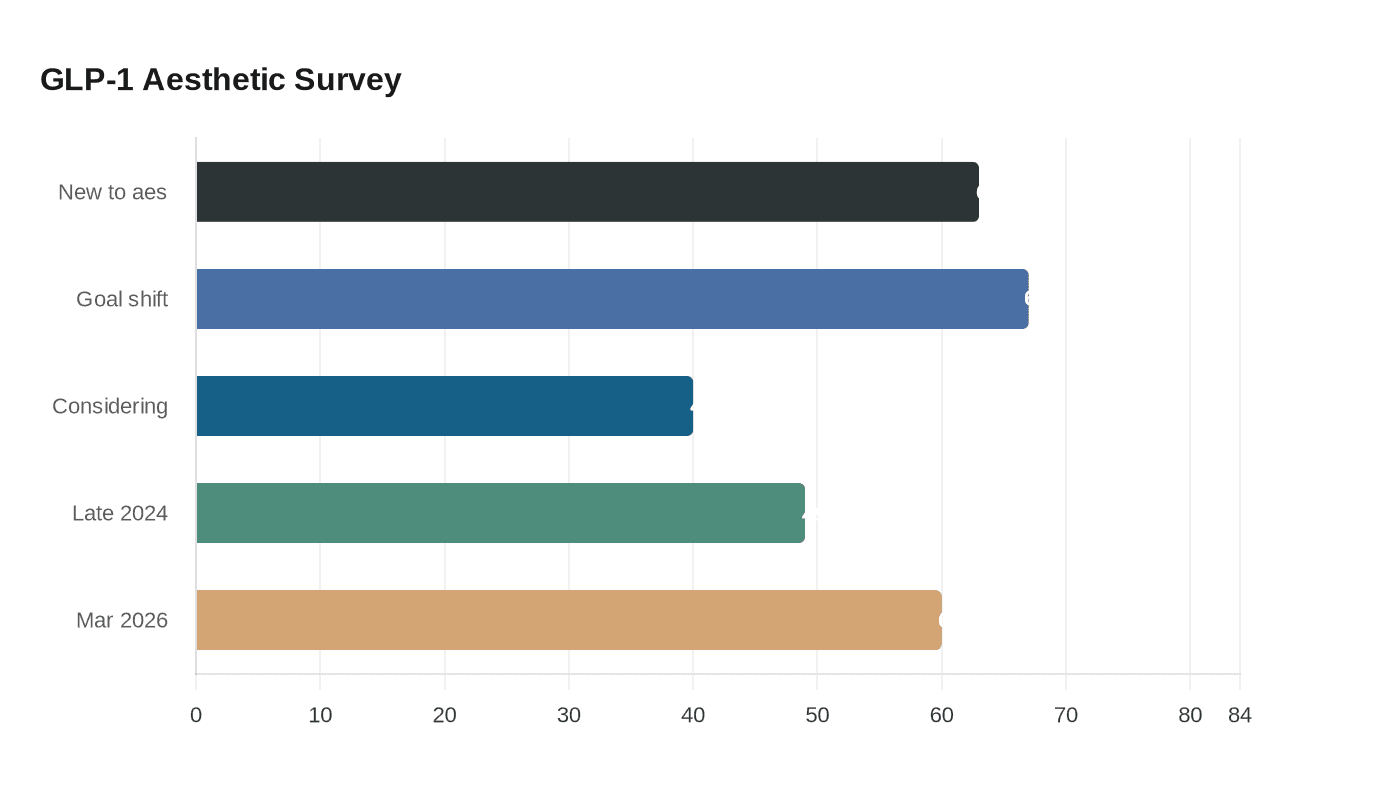
The patient pipeline looks increasingly measurable, not anecdotal. McKinsey said in May 2025 that a survey of 174 medical spas, dermatology and plastic-surgery clinics found 63% of patients seeking facial aesthetic products or procedures were not active users of medical aesthetics services before, suggesting GLP-1 therapy is bringing in new customers. In March 2026, Allergan Aesthetics, an AbbVie company, said 67% of medical-weight-loss patients changed their goals toward improving appearance, not just weight reduction, while 40% were considering a professionally administered aesthetic treatment. Allergan also said 60% of aesthetics consumers receiving GLP-1 medications get them from providers who also offer aesthetic treatments, up from 49% in late 2024.
The broader implication is that the GLP-1 boom no longer ends with weight loss. It is beginning to reshape what patients buy next, and which companies profit from that second step.
This article was produced by Prism’s automated news system from verified source data, official records, and press releases, then run through automated quality and moderation checks before publishing. The system is built and supervised by the people who set the standards it runs under. Read our full AI policy.
Did this article answer your question?

