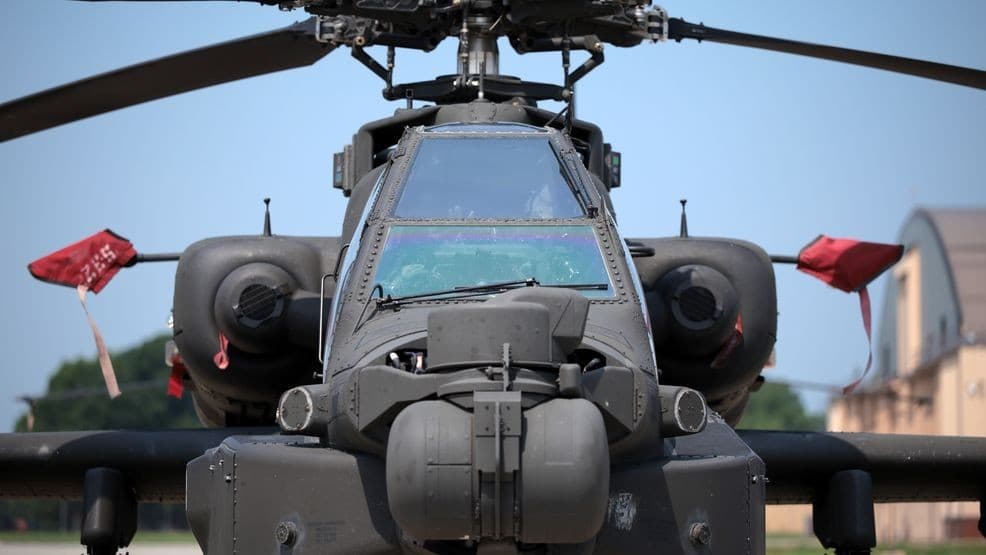
God Squad Convenes to Consider ESA Exemption for Gulf Oil Drilling
A panel that last met in 1992 convened to consider stripping ESA protections from Gulf drilling, threatening a whale species with as few as 51 individuals remaining.

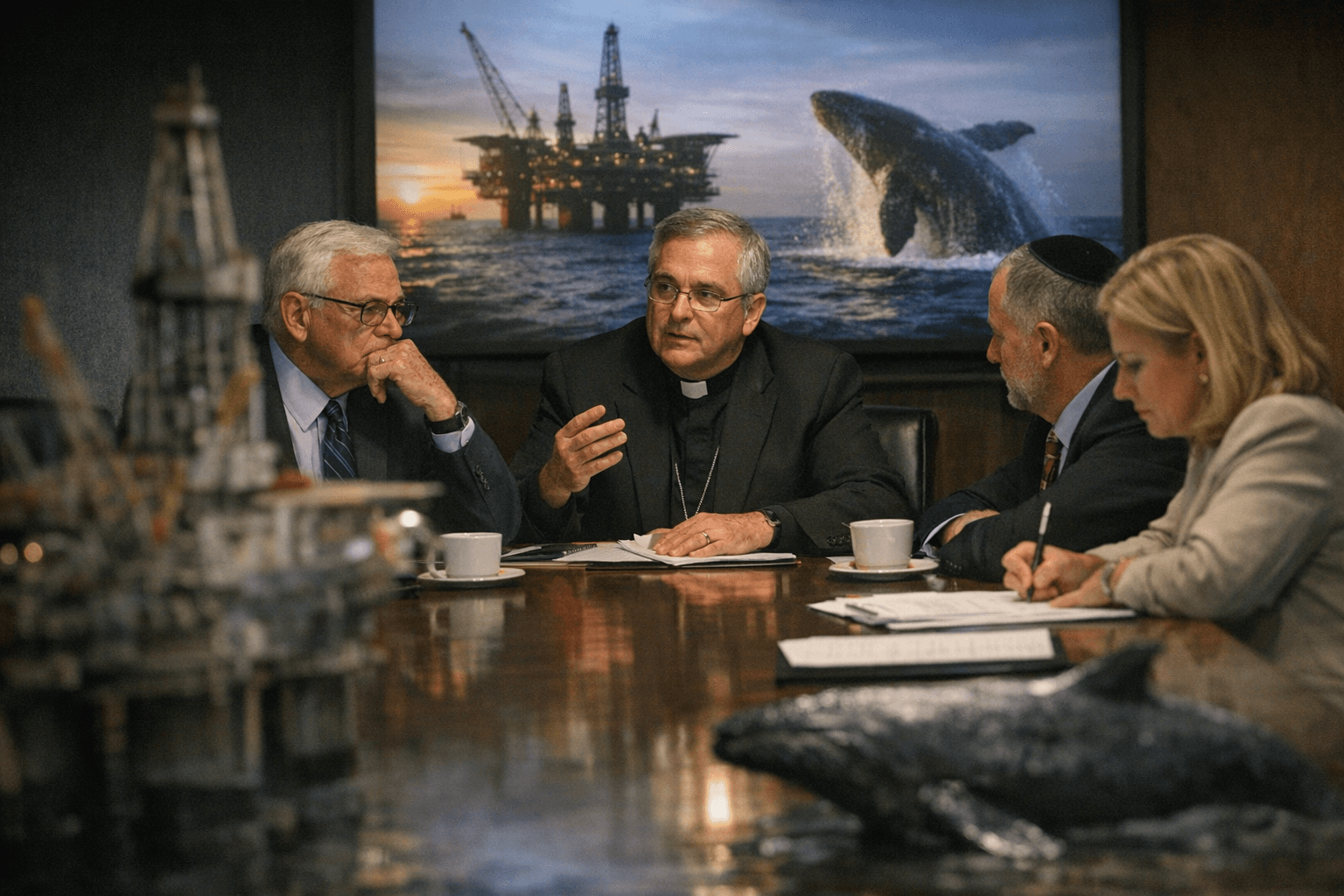
The body collectively known as the "God Squad" convened Tuesday for the first time since 1992 to weigh whether Gulf of Mexico oil and gas operations should be freed from Endangered Species Act protections, a move conservationists warn could push a critically endangered whale with as few as 51 remaining individuals to extinction.
The Endangered Species Committee, chaired by Interior Secretary Doug Burgum, met at Interior headquarters in Washington, with the session open to the public via video stream. The committee's convening was set in motion after Defense Secretary Pete Hegseth notified Burgum on March 13 that it was "necessary for reasons of national security to exempt from the ESA's requirements all Gulf of America oil and gas exploration and development activities," according to court filings.
The administration has not publicly disclosed the full rationale behind that claim. A government lawyer said at a Friday hearing that more details about Hegseth's justification would be provided at Tuesday's committee meeting. Experts say the administration must specify the military need that would endanger a species to satisfy the legal standard. The invocation of a never-before-used national security provision to shield broad offshore fossil fuel drilling from the ESA has no historical parallel in the committee's record.
The stakes for marine wildlife are concrete. The Rice's whale, a recently identified species that exists exclusively in the Gulf of Mexico, has as few as 51 individuals remaining. About one-fifth of that population is estimated to have been killed in the 2010 Deepwater Horizon disaster, and a recent environmental analysis concluded that oil and gas operations in the region had the potential to extinguish the species entirely. Sea turtles and sperm whales also face risks from expanded drilling activity.
The national security argument arrived amid global oil-price shocks and supply anxieties tied to the Iran war. The Gulf accounts for more than 10% of U.S. crude oil production annually. President Donald Trump, in his second term, has made increased fossil fuel production a central focus, pushing to open new areas off the Florida coast to drilling and proposing broad rollbacks of environmental regulations.
The Center for Biological Diversity filed a lawsuit last week seeking to block the meeting and sought emergency relief from Judge Rudolph Contreras of the U.S. District Court for the District of Columbia. Contreras declined at a Friday hearing. "It's disappointing that the court didn't immediately stop Hegseth's reckless power grab, but this is just the first battle in a longer fight to protect the Gulf's endangered whales and turtles," said Brett Hartl, the Center's government affairs director. The organization also mounted a protest at Interior's headquarters on Tuesday.
A spill earlier in March spread roughly 373 miles, contaminating species and protected reserves, offering critics fresh evidence of the environmental risks accompanying expanded offshore drilling. Any exemption granted by the committee is expected to face immediate legal challenges, and litigation over the outcome appears certain.
Know something we missed? Have a correction or additional information?
Submit a Tip