NTSB Hearings Target Hands-Free Driving Systems After Fatal Ford Crashes
Three people died when Blue Cruise-enabled Ford Mustang Mach-Es struck stopped cars in Texas and Pennsylvania; neither driver nor the system braked before impact.
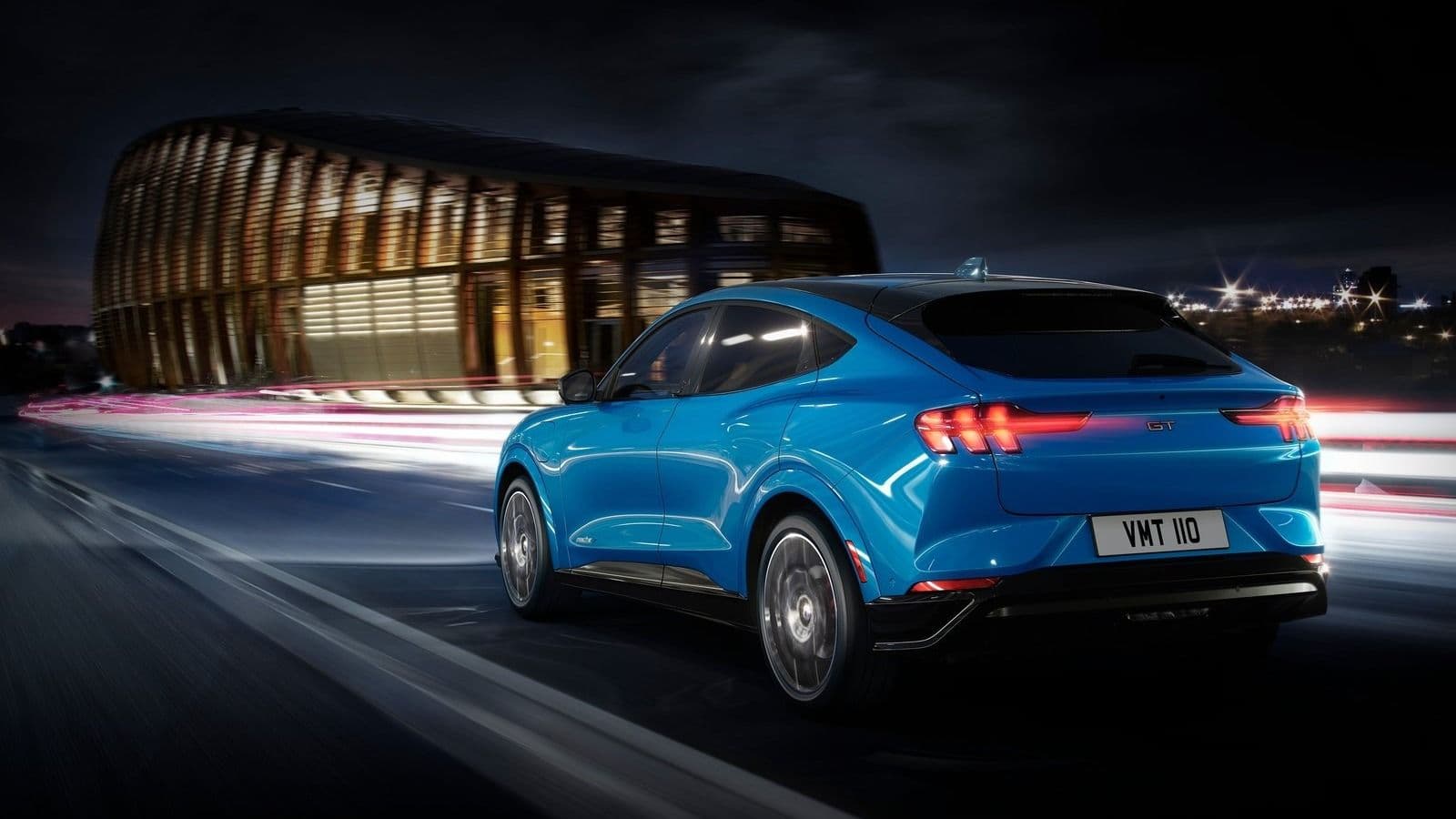
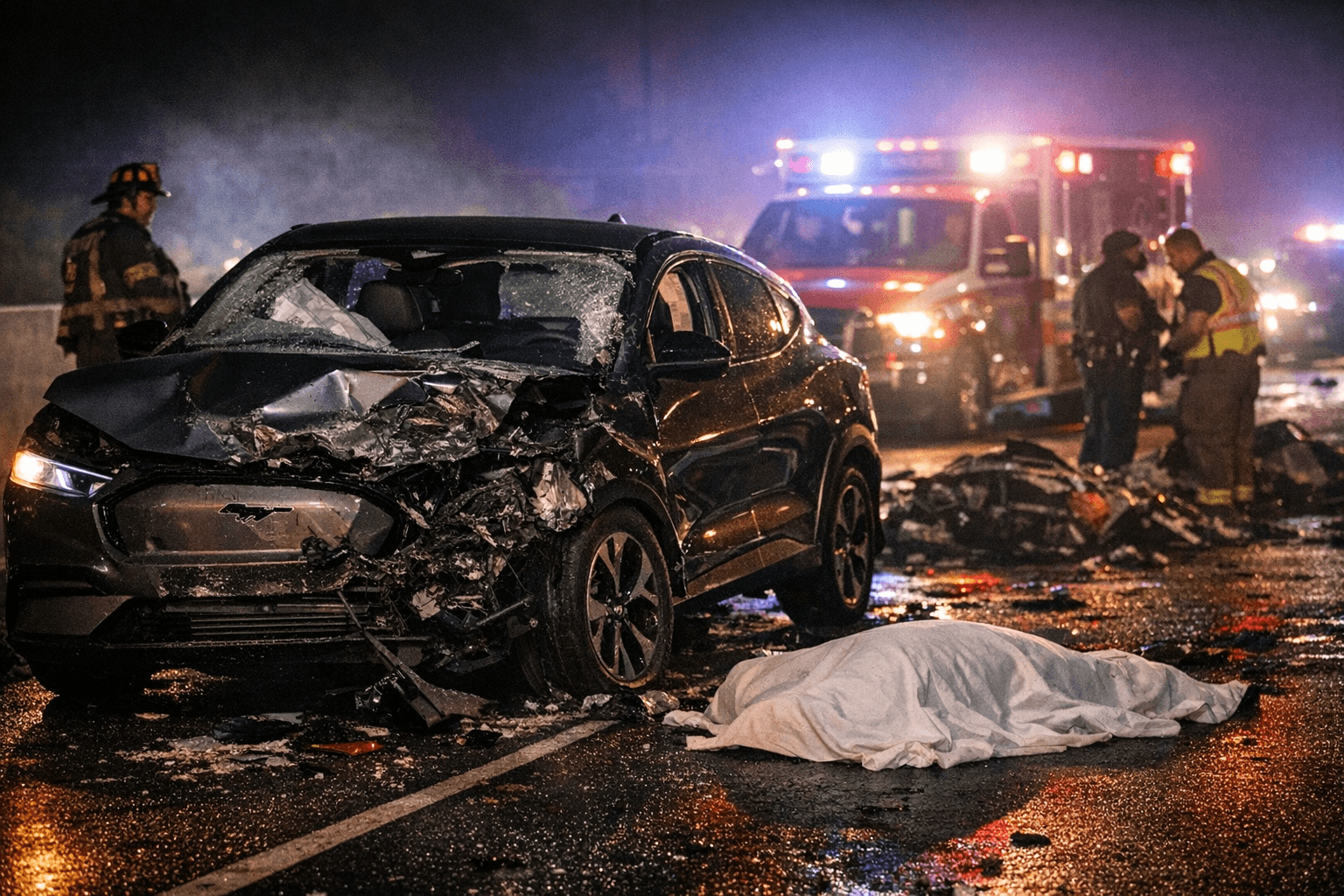
Federal safety investigators convened a public board meeting Tuesday to scrutinize hands-free driving technology, wrapping up a two-year investigation into a pair of fatal 2024 crashes that exposed a troubling pattern: in both collisions, a Blue Cruise-enabled Ford Mustang Mach-E plowed into a stopped vehicle at highway speed with no braking from either the driver or the system recorded in the moments before impact.
The Texas crash unfolded on Interstate 10 in San Antonio, where a Mach-E struck the rear of a 1999 Honda CR-V stopped in the middle of three lanes around 9:50 p.m., killing the CR-V's 56-year-old driver. The second crash killed two people around 3:20 a.m. on March 3 in the northbound lanes of Interstate 95 in Philadelphia, where the Mach-E hit a stationary Hyundai Elantra that had already collided with a Toyota Prius, also striking the Prius driver who was standing outside his vehicle. The Philadelphia Mach-E driver was later charged with DUI homicide; that case remains pending with no trial date set.
In both crashes, the Mach-E drivers sustained only minor injuries, and no driver-applied or system-initiated braking or steering was recorded in the moments before impact. That finding sits at the heart of the National Transportation Safety Board's concern: whether Blue Cruise's driver-monitoring mechanisms reliably detect when a driver is inattentive or incapacitated, and whether the system itself should be capable of responding to hazards it cannot detect in the driver's behavior.
Missy Cummings, a professor of engineering and computing at George Mason University, framed the core problem in stark terms. "Allowing people to take their hands off the wheel will also mean they will likely take their minds off the driving task," she warned, arguing that cognitive disengagement is a fundamental safety risk built into the design of these systems, not merely a misuse of them.
Ford's Blue Cruise handles steering, braking and acceleration on highways, and the company says the system is not fully autonomous and monitors drivers to ensure they pay attention to the road. That position is consistent with the broader industry stance: automakers including General Motors, whose Super Cruise competes directly with Blue Cruise, maintain that drivers must remain ready to retake control at any moment. There are no fully autonomous vehicles for sale to the public in the United States.
The NTSB is expected to recommend ways to improve partially automated driving systems as it concludes its investigation, with board members set to vote on probable causes and potential safety recommendations. The agency has pursued similar lines of inquiry before, having previously investigated multiple crashes involving Tesla's Autopilot system. While the NTSB cannot issue binding regulations, its findings carry significant weight with the National Highway Traffic Safety Administration, which does hold rulemaking authority, as well as with state legislatures increasingly asked to set their own standards for autonomous and semi-autonomous vehicle technology.
The recommendations emerging from Tuesday's hearing could push for standardized eye-tracking or biometric monitoring requirements, stricter performance thresholds before hands-free operation is permitted, and clearer consumer disclosures about what these systems can and cannot do. For Ford and its competitors, the findings may translate into mandatory design revisions, expanded testing requirements, and constraints on how aggressively Blue Cruise and similar features can be marketed to buyers who may not fully appreciate the limits of the technology they are engaging at highway speeds.
This article was produced by Prism’s automated news system from verified source data, official records, and press releases, then run through automated quality and moderation checks before publishing. The system is built and supervised by the people who set the standards it runs under. Read our full AI policy.
Did this article answer your question?

