Goldman Sachs agrees to settle shareholder lawsuit over 1MDB scandal
Goldman Sachs moved to settle a shareholder suit over 1MDB, keeping alive questions about disclosure, accountability and how much a bank pays long after the scandal.
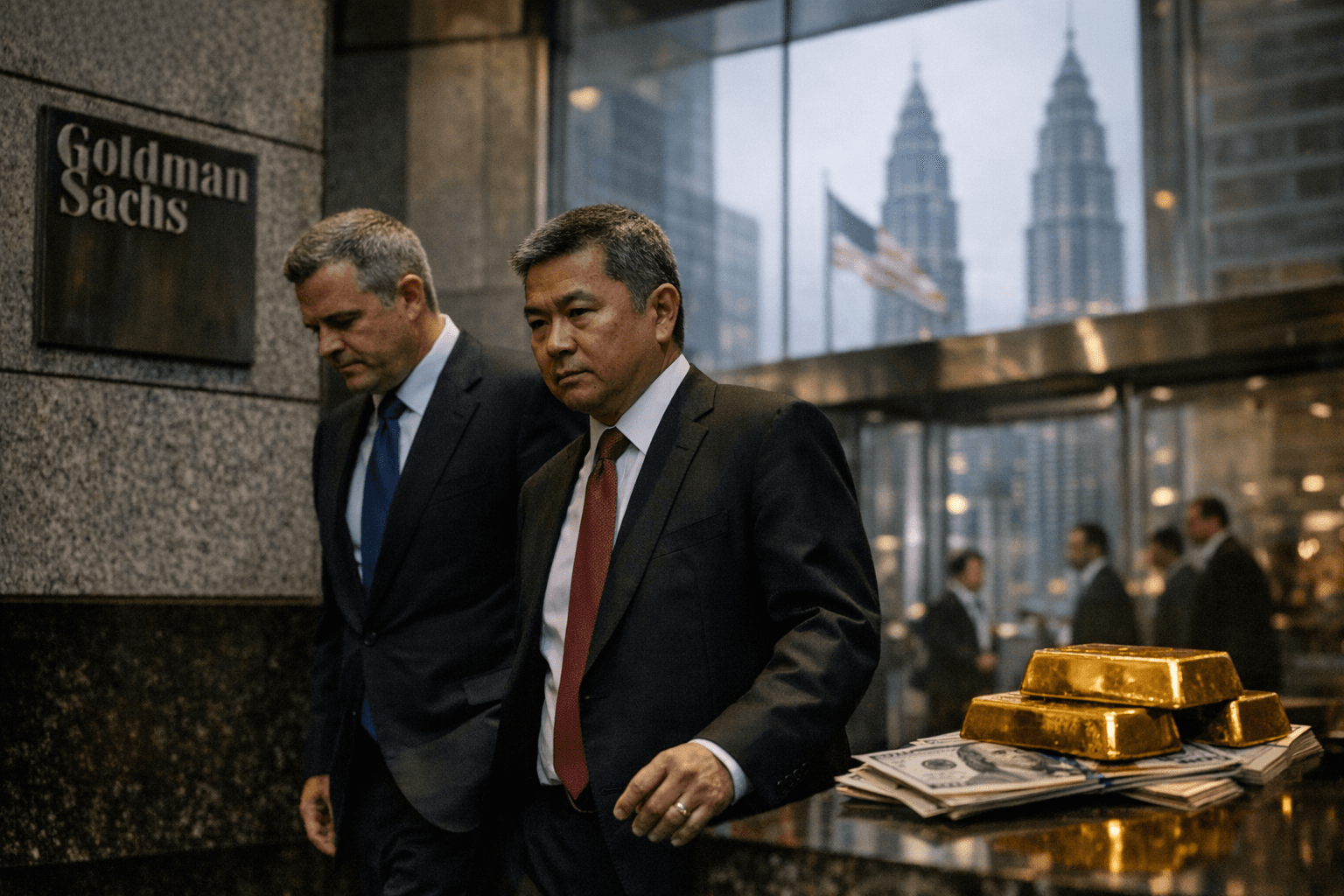
Goldman Sachs agreed in principle to settle a shareholder lawsuit accusing the bank of misleading investors about its role in the 1Malaysia Development Berhad scandal, a case that continues to test how far accountability reaches after the original deals, investigations and penalties. The parties said they expect to seek preliminary approval of the settlement by May 20, 2026, in the U.S. District Court for the Southern District of New York.
The class action was brought by Swedish public pension fund Sjunde AP-Fonden, known as AP7, and covers investors who bought Goldman common stock between December 22, 2016, and November 8, 2018. The defendants include Goldman Sachs and former top executives Lloyd C. Blankfein and Gary D. Cohn. U.S. District Judge Vernon S. Broderick had already allowed the securities claims to proceed, finding that shareholders had plausibly alleged false and misleading statements tied to the 1MDB bond transactions.
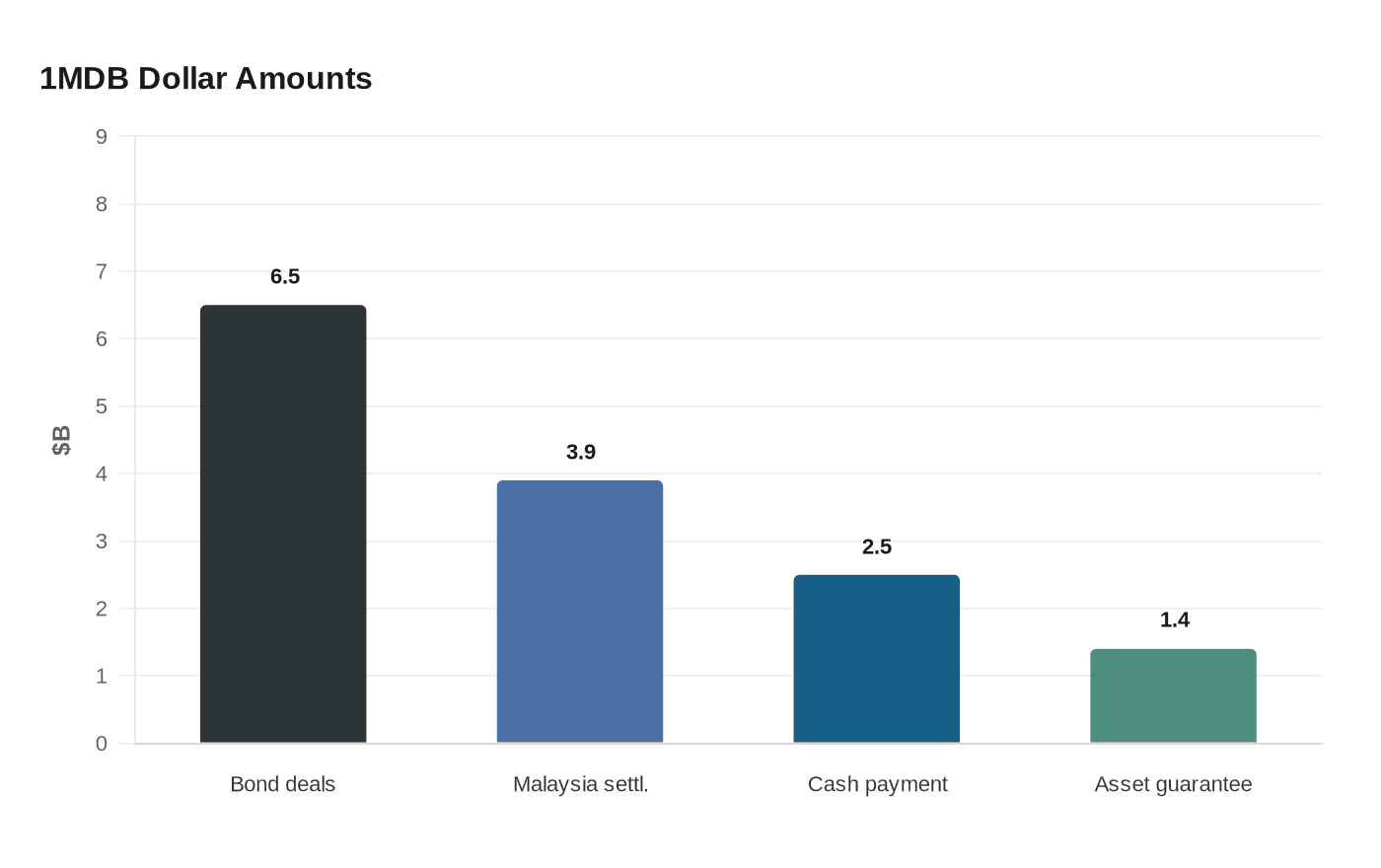
The legal stakes are rooted in one of the most damaging episodes in modern global finance. Goldman underwrote about $6.5 billion in three 1MDB bond deals and earned hundreds of millions of dollars in fees. The U.S. Department of Justice said Goldman and its Malaysian subsidiary admitted conspiring to violate the Foreign Corrupt Practices Act in connection with the scheme. That criminal and regulatory fallout was followed by a $3.9 billion settlement with Malaysia in 2020, including a $2.5 billion cash payment and a guarantee that Malaysia would receive at least $1.4 billion from assets seized around the world.
This shareholder case matters because it reaches the question that often lingers after headline settlements fade: what did management tell investors, when did it know it, and did the market get a clear picture of the risks tied to the business? The settlement amount has not been disclosed in the filed letter, leaving open how much Goldman will pay to resolve another layer of 1MDB-related exposure. But the move itself signals a practical decision to avoid a longer fight over claims that the bank’s public statements about the bond work were materially false and misleading.
For Goldman, the agreement is another reminder that the 1MDB scandal has never fully disappeared from its legal and reputational balance sheet. For shareholders, the case is a measure of whether large financial institutions ever face consequences proportionate to the scale of the misconduct that occurred under their watch, and whether disclosure standards can meaningfully constrain the next scandal before it becomes global.
This article was produced by Prism’s automated news system from verified source data, official records, and press releases, then run through automated quality and moderation checks before publishing. The system is built and supervised by the people who set the standards it runs under. Read our full AI policy.
Did this article answer your question?

