Morgan Stanley Says AI Could Cut Game Costs Nearly Half, Lift Profits $22 Billion
AI could cut video game development costs by nearly half, but the gains may favor giants like Tencent and Roblox while pressuring artists, writers and testers.
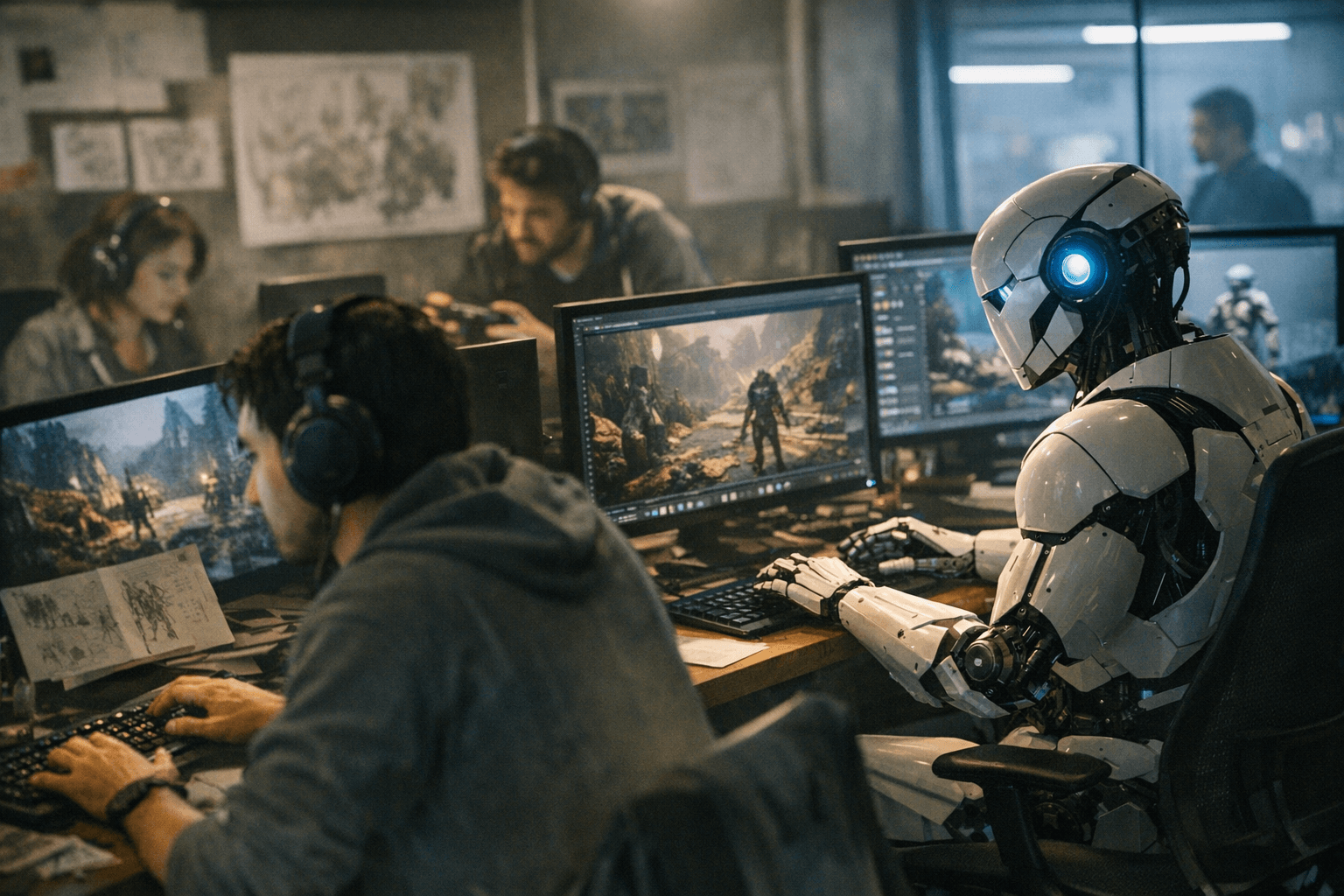
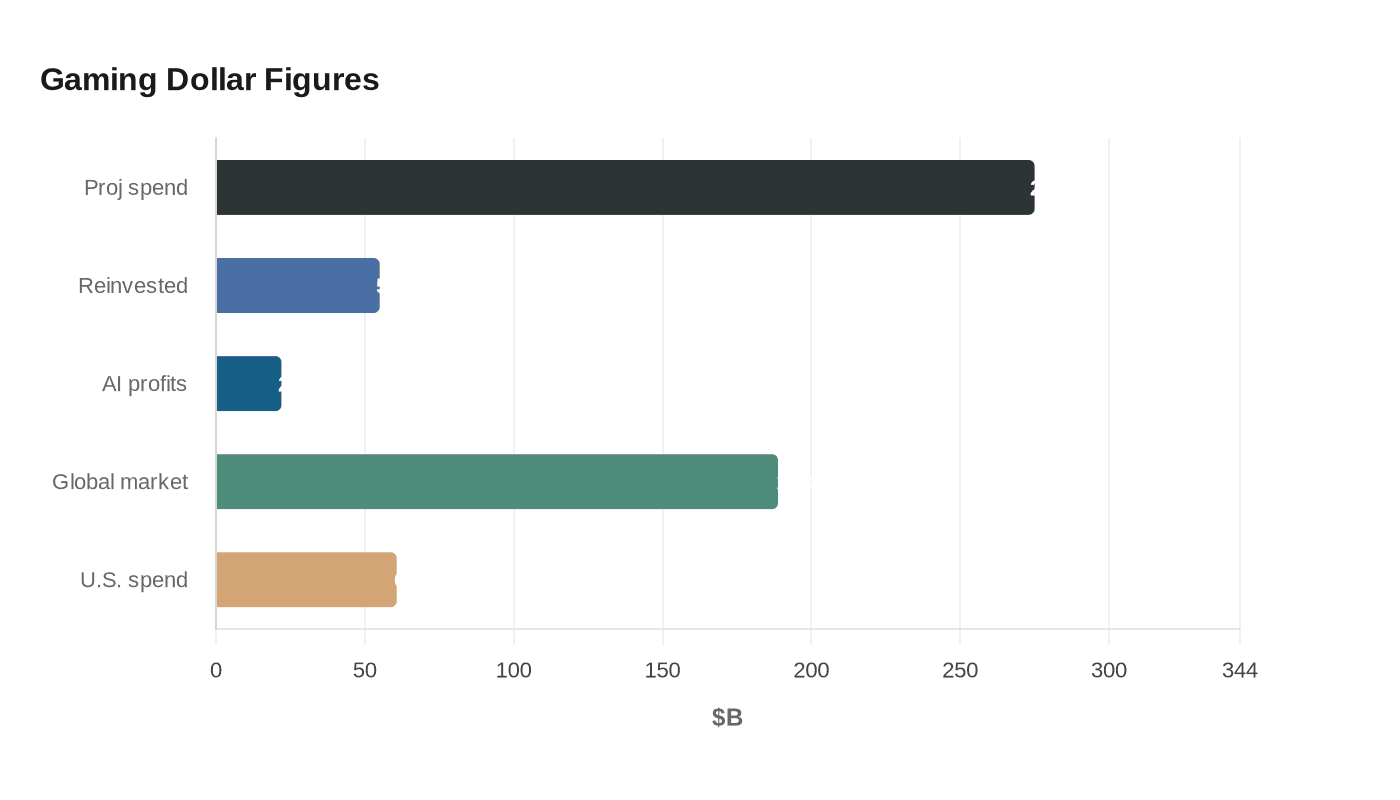
Morgan Stanley sees a striking upside for gaming: artificial intelligence could cut development costs by nearly half and unlock about $22 billion in annual profits. The bank says the industry is large enough for even modest efficiency gains to matter, with global consumer spending on video games projected at $275 billion this year and about 20%, or $55 billion, typically reinvested into development and operations.
The bullish case rests on AI tools speeding up or automating tasks that have long consumed time and payroll, from building environments and generating dialogue to testing software. In Morgan Stanley’s framing, that could trim AAA game development costs by roughly 44%, a shift that would not just lower expenses but also shorten production timelines. The more cautious view is that the money will not land evenly. Big publishers with deep catalogs and cash flow are better placed to buy new tools and absorb the transition, while smaller studios may struggle to fund the shift.
That divide matters because gaming is already a massive business. Newzoo said the global games market reached $188.8 billion in 2025, and the Entertainment Software Association said U.S. consumer spending on video games totaled $60.7 billion in 2025, the second-highest level on record. At that scale, a few percentage points of savings can translate into billions of dollars. But the same scale also means any productivity gains will collide with an industry that has spent the past two years absorbing layoffs, tighter budgets and pressure to deliver hits faster.
The labor picture helps explain the skepticism. The Game Developers Conference’s 2026 survey found 52% of respondents said generative AI was already being used at their company, yet only 7% said it was having a positive impact on the industry. The same survey said 28% of respondents had been laid off in the past two years. That combination suggests developers see AI less as a clean productivity story than as a force that may reduce the number of repetitive tasks handled by artists, writers, testers and outsourcing vendors.
Some of the biggest companies are already testing that shift. Electronic Arts said at GDC 2025 that AI and machine learning were being used in some development areas and explored in others. Ubisoft later unveiled Teammates, a playable generative-AI research project, as an experiment in AI-driven gameplay and voice commands. Valve’s Steam policy also requires disclosure of generative AI content on store pages, a sign that AI use is becoming more visible to players and more sensitive for studios trying to protect quality and trust.
The broader question is whether AI becomes a durable margin lever or simply a new source of production risk. SAG-AFTRA’s 2025 video game strike ended only after protections around AI and digital replicas were negotiated, underscoring how quickly the technology has moved from a cost-saving promise to a labor and creative issue. If Morgan Stanley is right, gaming may be one of the clearest examples of AI reshaping a creative industry. The harder part will be proving that cheaper production can still make better games.
This article was produced by Prism’s automated news system from verified source data, official records, and press releases, then run through automated quality and moderation checks before publishing. The system is built and supervised by the people who set the standards it runs under. Read our full AI policy.
Did this article answer your question?

