Goldman Sachs pushes Fed rate cut forecast to 2027 after strong jobs data
Strong May payrolls convinced Goldman Sachs to push its first Fed rate cuts to June and December 2027, leaving borrowers facing higher financing costs for longer.
Goldman Sachs has pushed its first expected Federal Reserve rate cuts all the way to 2027 after a May jobs report showed the U.S. labor market still has enough momentum to keep policymakers on hold. The change matters far beyond trading desks: if rates stay high longer, households and companies may keep paying more for mortgages, credit-card balances, auto loans and business borrowing.
The shift came after the U.S. Bureau of Labor Statistics said nonfarm payrolls rose by 172,000 in May and the unemployment rate held at 4.3%, a much stronger result than economists had expected. Forecasts had pointed to about 80,000 new jobs. Gains were concentrated in leisure and hospitality, local government and health care, while employment in financial activities declined, reinforcing the picture of an economy that is cooling only gradually.
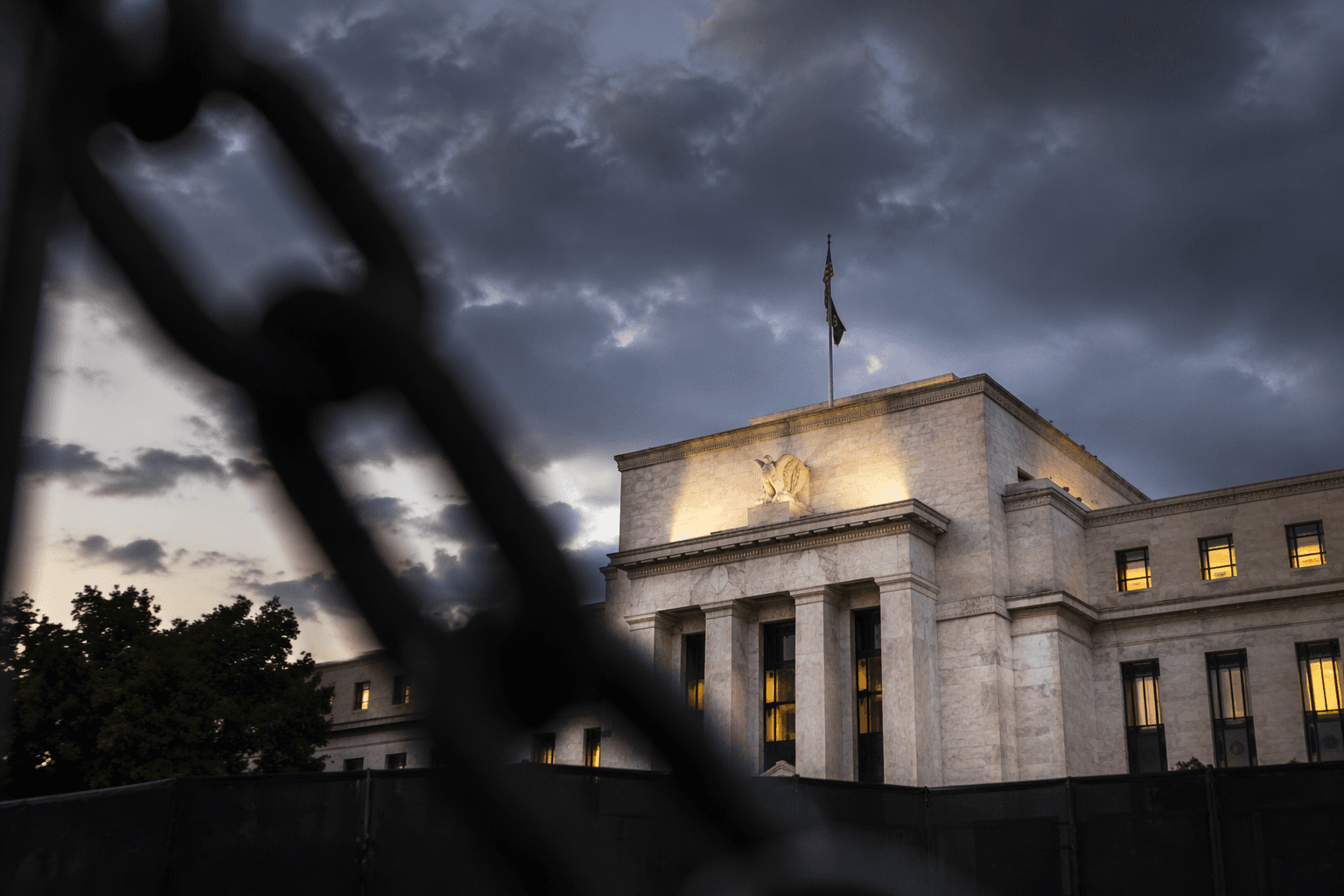
Goldman had previously expected quarter-point cuts in December 2026 and March 2027. It now sees no reductions in 2026 and only two cuts, in June and December 2027. The bank said resilient activity and employment data reduce the risk that another rate increase would be a costly policy mistake, while also making near-term easing less urgent. Goldman is watching year-over-year core PCE inflation and signs that AI-driven demand is easing before it expects policy to turn easier.
The revised call fits a broader Wall Street reassessment. Nomura has also said the Fed is likely to keep rates unchanged through 2026, citing persistent inflation pressures. Those pressures include tariffs, higher oil prices tied to conflict in the Middle East and other war-related effects that could keep price growth elevated even as the labor market stays firm.
The Fed itself was already pointing to a restrictive stance. In its March 17-18, 2026 Summary of Economic Projections, officials showed a median federal funds rate of 3.4% at the end of 2026, implying only one cut that year, and projected inflation would remain above target in the near term. After the jobs surprise, traders moved even more aggressively, with market pricing implying a 75.5% probability of another rate hike by the end of 2026.
For consumers, that kind of repricing means the relief many borrowers had been waiting for could arrive much later than expected. Mortgage rates are likely to remain elevated relative to a faster-cut scenario, credit-card balances will keep compounding at punishing levels, auto loans will stay costly, and businesses will face a longer stretch of expensive financing for investment, hiring and refinancing. The message from Goldman’s new forecast is clear: if the economy keeps outperforming, Wall Street’s wait for cheaper money will stretch well into 2027.
This article was produced by Prism’s automated news system from verified source data, official records, and press releases, then run through automated quality and moderation checks before publishing. The system is built and supervised by the people who set the standards it runs under. Read our full AI policy.
Did this article answer your question?