Goldman Sachs signals office-first hiring with broad benefits and programs
Goldman emphasizes an office-first culture, structured early-career pipelines, and extensive benefits. That messaging sets expectations for candidates and employees about location and support.
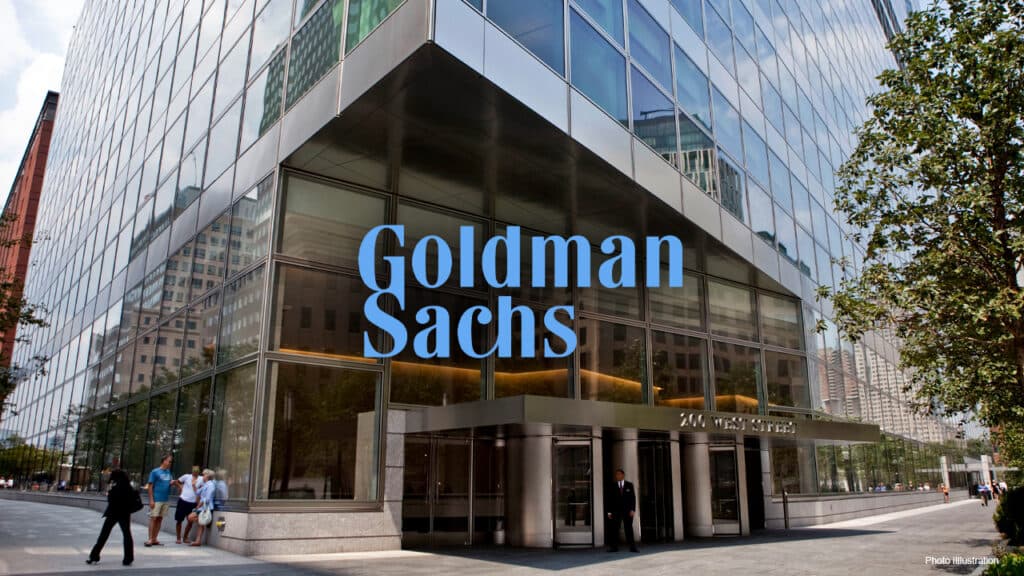
Goldman Sachs' careers communications make clear what the firm sees as the package for talent: an office-first workplace built around a culture of excellence, formal pathways for students and professionals, a global footprint in more than 60 cities, and a set of benefits and community programs meant to buttress recruitment and retention.
The careers materials highlight entry points that remain central to Goldman’s pipeline. Internships, summer analyst roles and multi-year professional rotation programs are promoted as primary routes into the firm, with guidance aimed at applicants on interview preparation and early-career progression. The firm points candidates to featured offices, open roles and LinkedIn updates, signaling a recruiting cadence that leans on both branded programs and ongoing hiring needs.
Benefits and employee supports are presented as broad and practical. Comprehensive healthcare options, crisis support and wellness programming are positioned alongside other perks, suggesting the firm wants to make a case for employee well-being while maintaining high performance expectations. For workers in markets served by Goldman, those offerings may be a valuable counterweight to an office-first attendance model.
Diversity and inclusion and impact-oriented community work form a second pillar of the messaging. Programs such as 10,000 Small Businesses, 10,000 Women, One Million Black Women and Community TeamWorks are highlighted as part of the firm’s external impact and internal recruiting narrative. That emphasis serves a dual role: expanding the pool of potential hires while signaling long-term commitments to representative hiring and community engagement.

For current employees and managers, the careers messaging reinforces norms that affect day-to-day dynamics. An office-first posture narrows the implicit flexibility for remote work and places a premium on in-person collaboration, which can influence scheduling, mobility and expectations around visibility and career advancement. Early-career programs sustain an analyst pipeline that steers how teams are staffed and how promotions are sequenced.
For jobseekers, the firm’s approach makes two things clear: Goldman is selling a structured, hands-on training environment, and it expects presence and performance in physical offices. Candidates evaluating roles should weigh the tradeoffs between formal development opportunities and location-driven expectations. Employees watching the firm’s external messaging should also monitor hiring feeds and program pages for shifts in roles, locations and benefits that can affect career planning.
As the debate over hybrid work continues across finance, Goldman’s careers narrative sets expectations. Watch hiring notices and office announcements to see whether the firm maintains the same mix of in-person emphasis, benefits and community programs or adjusts to shifting workforce preferences.
Know something we missed? Have a correction or additional information?
Submit a Tip