Google and Gucci team up to make stylish AI smart glasses
Gucci is becoming Google’s fashion test case for AI glasses, with a 2027 launch planned as privacy and social acceptance remain unresolved.
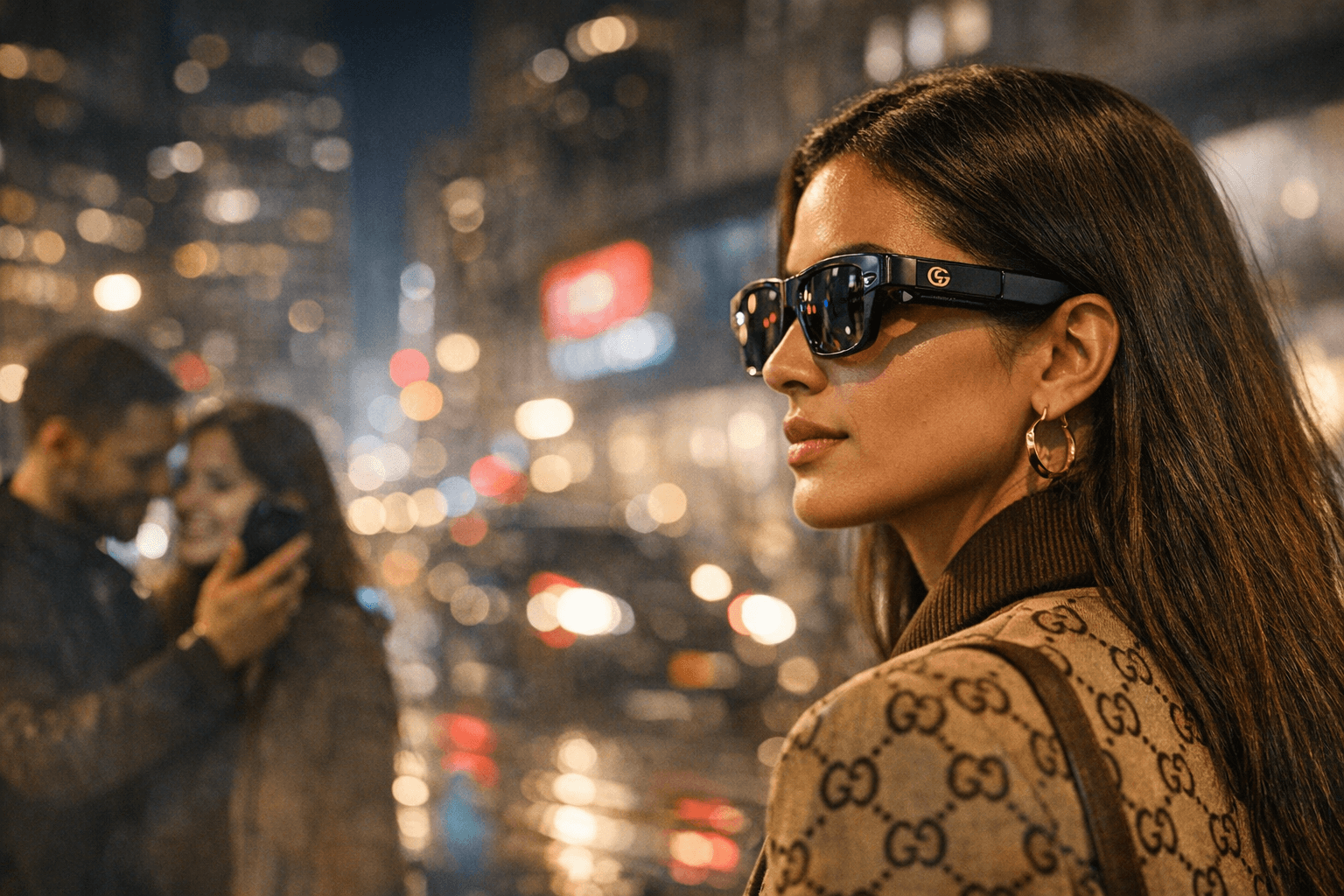
Google is betting that luxury can do what engineering alone has not: make AI smart glasses feel desirable enough to wear in public. Kering chief executive Luca de Meo said Gucci-branded glasses are planned for 2027, turning one of fashion’s most recognizable names into the face of a product category still fighting mistrust over cameras, microphones and always-on computing.
The project extends a partnership Kering announced on May 20, 2025 with Google to develop AI-powered glasses built on Android XR. Google describes Android XR as the first Android platform built in the Gemini era, designed for spatial-computing devices including glasses and headsets. Its glasses concept uses a camera, microphones and speakers, with an optional in-lens display, for tasks such as messaging, directions, photos and live translation. Google’s public demos have leaned on practical uses, including live language translation, a sign that the company wants the glasses to look useful before they look futuristic.
That matters because earlier smart glasses often stumbled on social acceptance. Gucci could change that equation. Kering Eyewear has said the goal is to make stylish, high-quality glasses people actually want to wear, while Google’s XR chief Shahram Izadi framed the effort as a fusion of immersive software, fashion and function. If the design lands, Gucci could help normalize a device category that many people still associate with surveillance, distraction and social awkwardness.
The move also fits a larger turnaround effort at Kering. De Meo said the company wants to more than double its operating profit margin and rebuild Gucci around its classic aesthetic codes after years of weak sales. He said Gucci has 105 years of history and needs to return to recognizable style markers, while Kering’s eyewear and jewelry divisions remain only a fraction of group revenue. In that context, smart glasses are not a novelty side project. They are part of a broader attempt to make luxury relevant in a more fragmented market.
The competitive stakes are high. Google is already working with Warby Parker and Gentle Monster on Android XR glasses, and Warby Parker said Google committed up to $150 million to that effort, including as much as $75 million for product development and commercialization and up to $75 million in equity investment. EssilorLuxottica has said sales of Meta smart glasses more than tripled in 2025 and topped 7 million units, underscoring how quickly the category is moving. Google has not commented on the Gucci plan, but the direction is clear: the next fight over wearable AI may be won not by the most advanced hardware, but by the brand people are willing to put on their face.
This article was produced by Prism’s automated news system from verified source data, official records, and press releases, then run through automated quality and moderation checks before publishing. The system is built and supervised by the people who set the standards it runs under. Read our full AI policy.
Did this article answer your question?