Google unveils agentic AI push with new Gemini models, search overhaul
Google is recasting Gemini as an agent that can search, shop and act, while Search and glasses become the front line of its next AI push.
Google used its I/O 2026 keynote to shift the story around its AI business from chat to action, presenting Gemini as software that can build, search, shop and complete tasks across the company’s products. The push tied together new models, a redesigned Search experience, a more proactive Gemini app, shopping tools and smart glasses, all framed as one move toward agentic AI rather than a set of isolated features.
Search was the clearest sign of that pivot. Google said AI Mode in Search has passed one billion monthly users, with queries more than doubling every quarter since launch, and it is making Gemini 3.5 Flash the default model for AI Mode globally. The company also described the new search box redesign as the biggest upgrade in more than 25 years, saying it will let people ask in fuller language and get more context-aware help instead of staying locked into keyword-style queries.

The Gemini app is being pushed in the same direction. Google said more than 900 million people across 230 countries and more than 70 languages use Gemini each month, up from 400 million around the previous I/O. New features include Daily Brief and Gemini Spark, which Google positioned as a personal assistant meant to act proactively across a user’s digital life under that person’s direction. The app is also getting a redesigned interface called Neural Expressive.
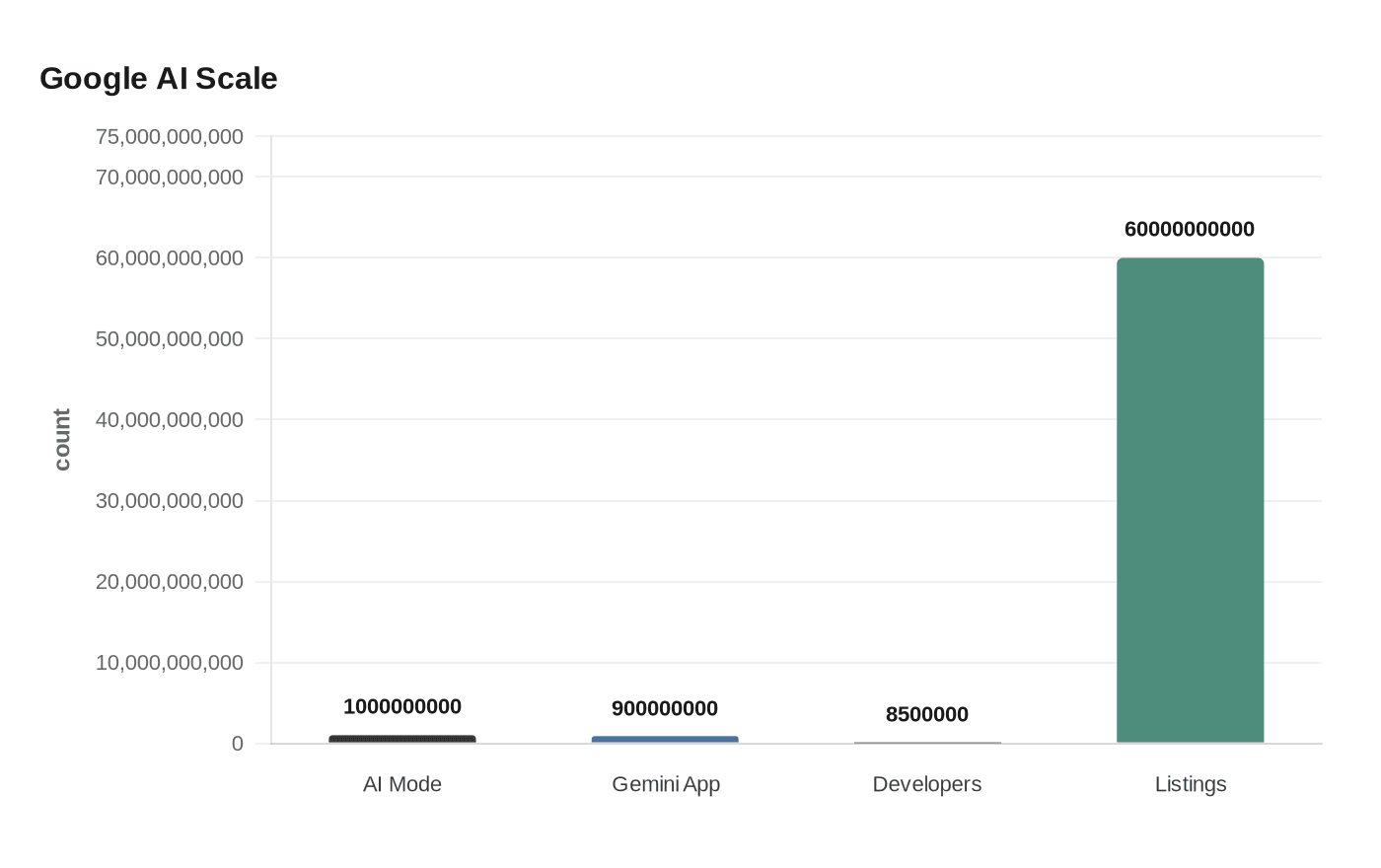
For developers, Google leaned hard into the idea that the next wave of software will be built around autonomous workflows. It described Antigravity as an agent-first platform and said more than 8.5 million developers are now building with its models each month. Google also said its model APIs are processing roughly 19 billion tokens per minute, and that token processing across its surfaces has climbed to more than 3.2 quadrillion per month.
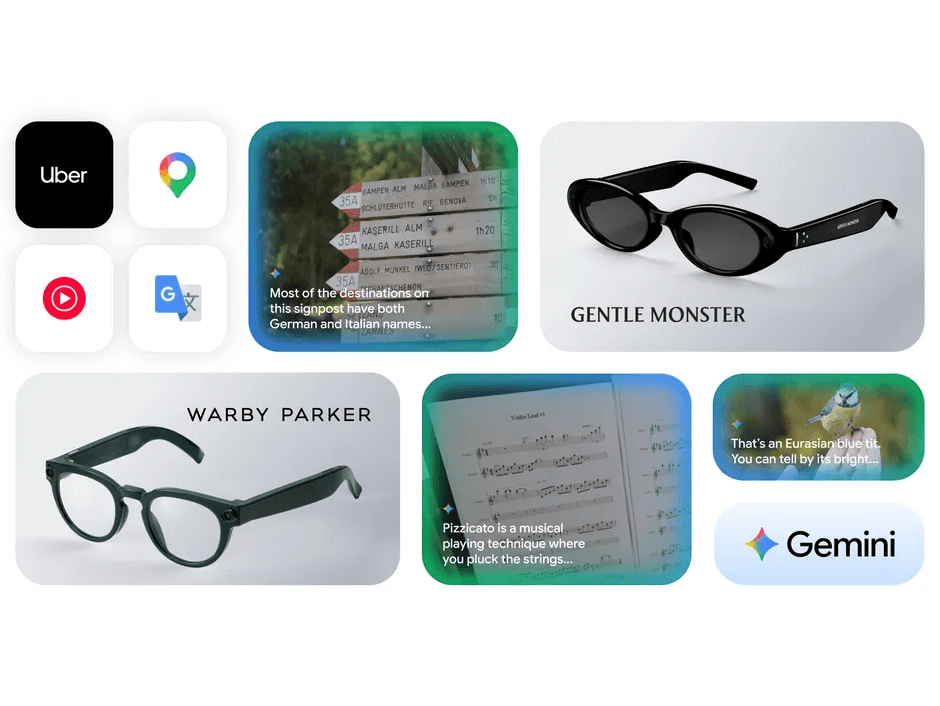
Google is also trying to make that same agentic logic pay off in shopping and hardware. It said people shop across Google more than a billion times a day and that its Shopping Graph now includes more than 60 billion product listings. Universal Cart will roll out across Search and the Gemini app in the United States in the summer, with YouTube and Gmail to follow. On the hardware side, Google previewed Gemini-powered eyewear that can give directions, send texts, snap photos and surface information hands-free, with audio glasses coming first later in fall 2026 in partnership with Samsung, Qualcomm, Gentle Monster and Warby Parker.
The broader strategy lands under heavier pressure from regulators and rivals. In September 2025, the U.S. Department of Justice won remedies that bar Google from maintaining exclusive contracts tied to Search, Chrome, Google Assistant and the Gemini app, and require the company to share certain search data with rivals and potential rivals. That backdrop makes Google’s move to weave Gemini more deeply into Search, shopping, Workspace and wearables more than a product refresh. It is a bid to keep the company central as AI shifts from answering questions to doing the work.
Know something we missed? Have a correction or additional information?
Submit a Tip