Google’s $99 Fitbit Air challenges Whoop with screenless health tracking
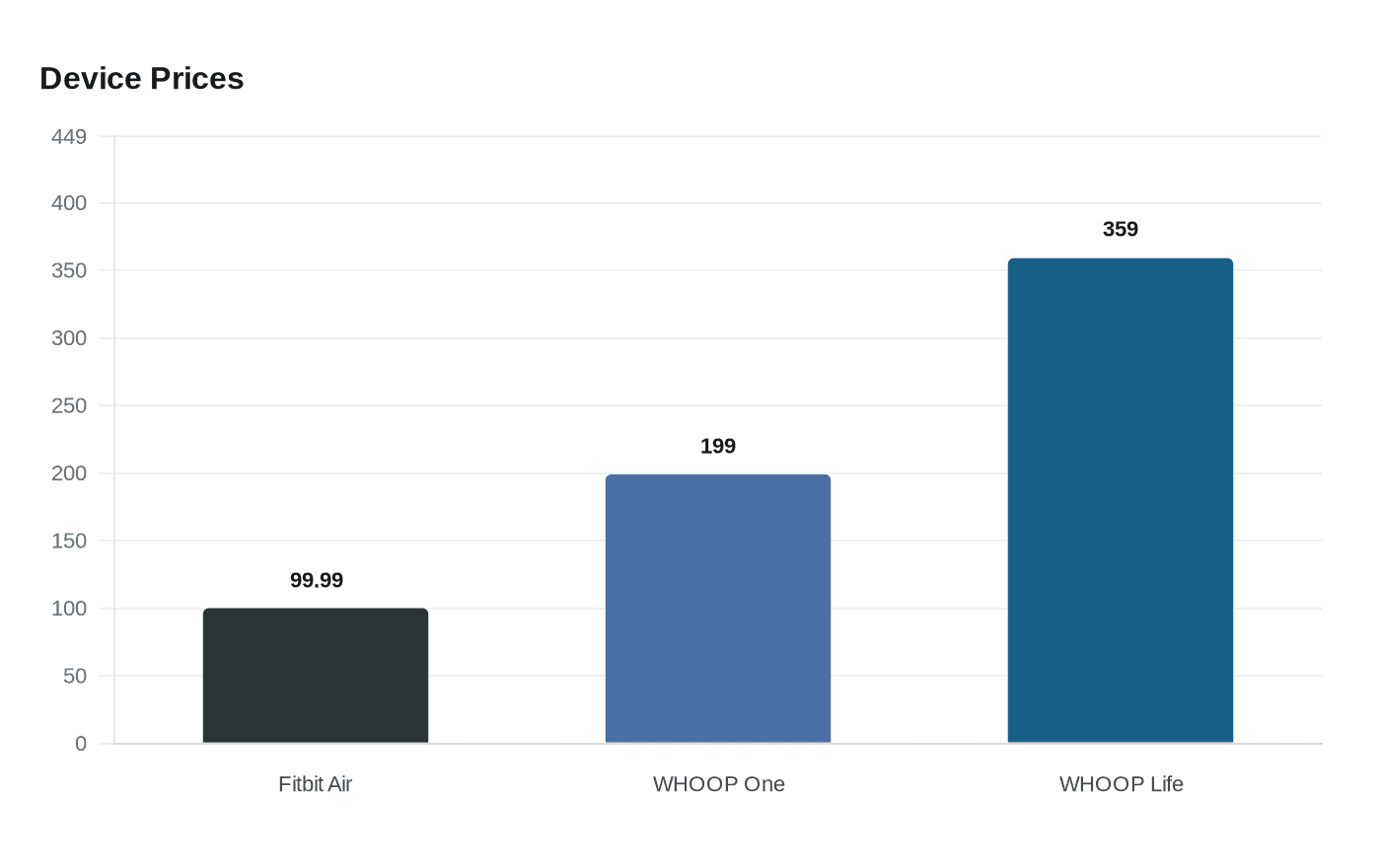
Google’s $99.99 Fitbit Air strips away the screen, adds an AI coach and health subscriptions, and raises a blunt tradeoff: cheaper hardware for deeper data capture.

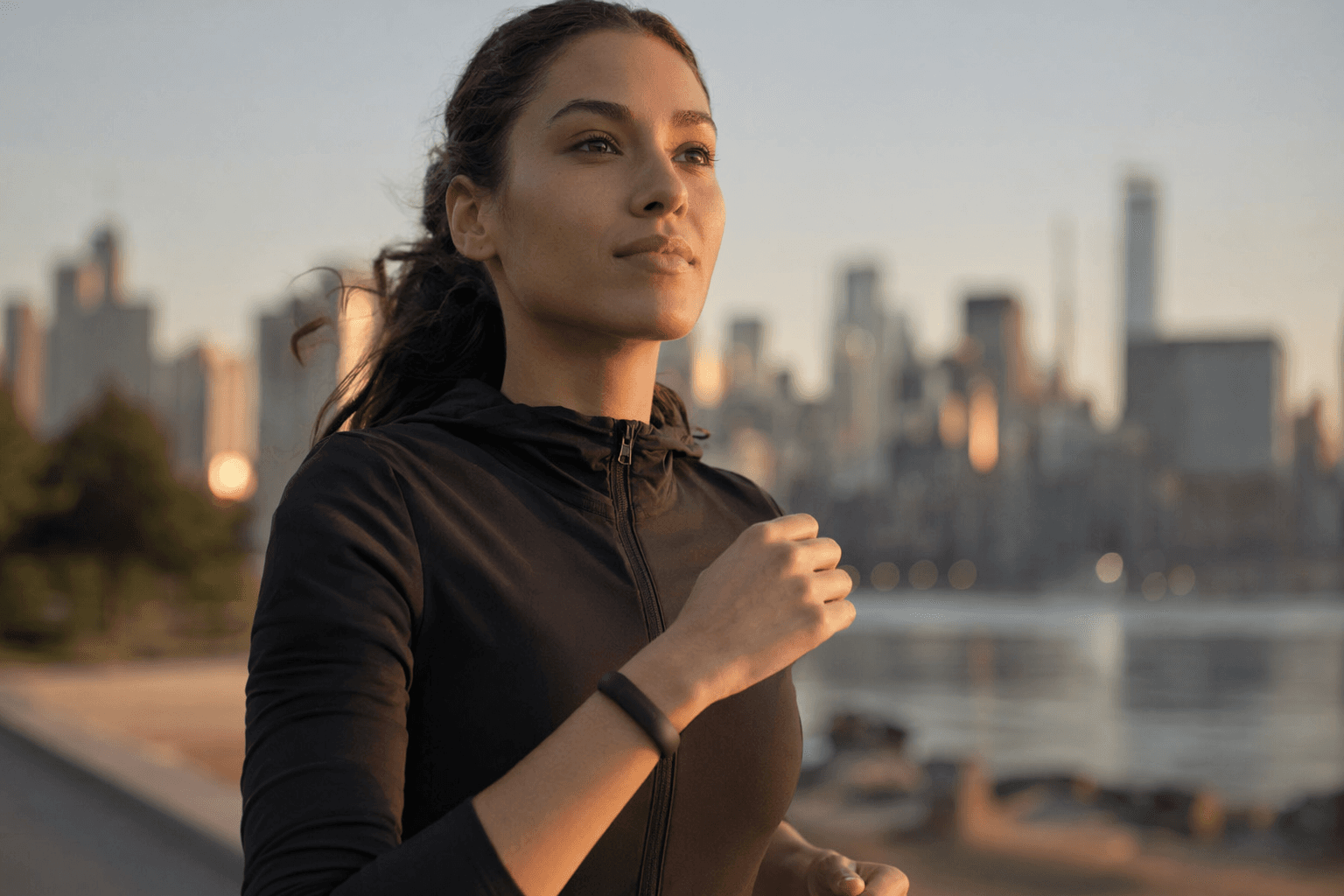
Google is pushing consumer wearables into a new phase, one where the screen matters less than the stream of health data behind it. Fitbit Air, priced at $99.99 with a three-month trial of Google Health Premium, is the company’s smallest screenless tracker yet, built for 24/7 wear, notification-free use and up to a week of battery life. It records heart rate, sleep, workouts, SpO2, resting heart rate, heart-rate variability and AFib alerts, then funnels that information into the Google Health app and its AI coach. The pitch is simple: fewer distractions on the wrist, more interpretation in the app. The question is what users are giving up in exchange.
That tradeoff is sharper because Google has spent the past year turning Fitbit into a software-led health platform. The company first announced its AI-powered personal health coach in August 2025, built with Gemini, and said the system would act as a fitness trainer, sleep coach and health and wellness adviser for eligible Android Fitbit Premium users in the United States. By March 2026, Google said it was adding medical-record integration, advanced sleep science and metabolic research, while also claiming a 15% improvement in sleep staging accuracy for Public Preview users. Fitbit Air now serves as the hardware front end for that effort, a cheaper on-ramp into a subscription ecosystem that depends on more intimate health monitoring.
The move lands directly in Whoop’s lane. Whoop launched WHOOP 5.0 and WHOOP MG on May 8, 2025, and has leaned harder into medical-style tracking with Healthspan, an ECG-based Heart Screener, Blood Pressure Insights in beta and on-demand AFib detection. Whoop says the MG is its most advanced sensor to date, and its membership pricing runs from $199 a year for WHOOP One to $359 a year for WHOOP Life, which includes the WHOOP MG device. Fitbit Air undercuts that entry cost by a wide margin, but Google’s bargain is tied to software and recurring services rather than a bare device sale.

That makes Fitbit Air less a hardware race than a test of whether Google can turn Fitbit into a credible AI health platform without losing the trust that makes health data valuable in the first place. The device’s medical signals, its app-based coaching and its subscription model move Google closer to healthcare in some ways, but the broader architecture still looks like wellness surveillance: always-on sensing, constant interpretation and a business built around keeping users inside the ecosystem.
Know something we missed? Have a correction or additional information?
Submit a Tip