GOP Lawmakers Grow Frustrated Over Trump's Iran War Strategy, Troop Details
Republican allies who handed Trump unchecked war authority are now demanding answers on ground troops, cost, and a timeline — and getting none.
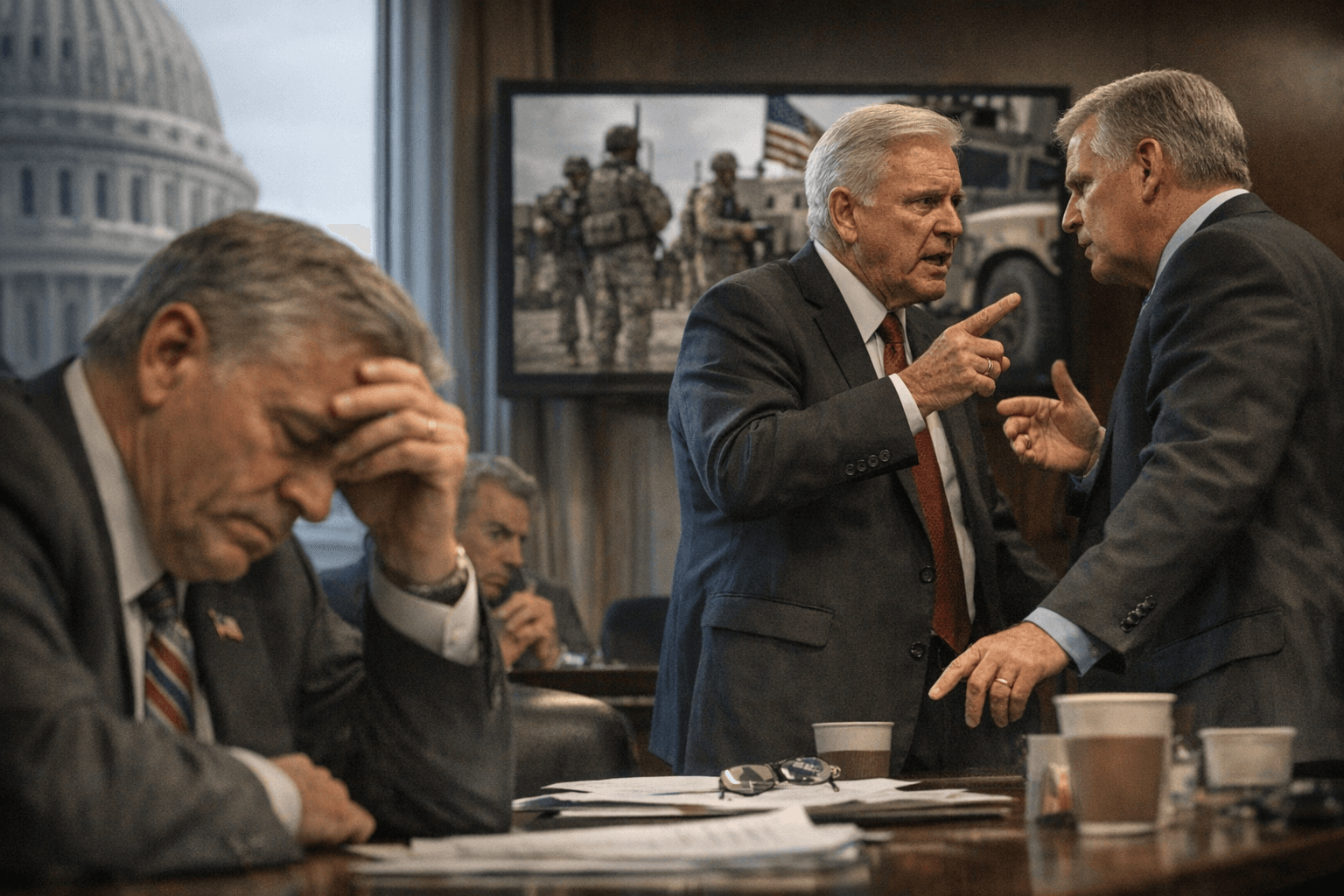
House Armed Services Committee Chair Mike Rogers stepped out of a Pentagon briefing on Wednesday and rebuked the administration he has backed since the war began. "We want to know more about what's going on, what the options are and why they're being considered. And we're just not getting enough answers on those questions," Rogers said.
His frustration captures a widening tension inside the Republican Party: GOP lawmakers who granted the Trump administration virtually unchecked authority to wage war against Iran are now growing impatient as officials continue to offer scant detail on ground troops, cost, or a timeline for ending the conflict.
Defense officials, including Assistant Secretary of Defense for International Security Affairs Daniel Zimmerman and Air Force Maj. Gen. Sean Choquette, separately briefed members of the House and Senate Armed Services committees on Wednesday. Both Republicans and Democrats voiced frustration about the information presented.
GOP leaders do not believe they have the votes to fund the war even within their own party without far more detailed plans from the White House, according to multiple people involved in those preliminary discussions. In the coming weeks, Trump could ask Congress to spend as much as $200 billion to fund the ongoing war.
Several Republicans said they would only consider the Iran funding request if the White House better explains its plans, including the possibility of thousands of U.S. troops being sent to the Middle East. Rep. Derrick Van Orden, a former Navy SEAL, told CNN he has specifically advised the administration against any boots on the ground: "I don't want to see it."
The uncertainty is compounded by what some lawmakers say is an incomplete picture from the administration. Sen. Lisa Murkowski said flatly, "We're just not getting a lot of information."
Sen. John Kennedy of Louisiana, a member of the powerful Appropriations Committee, exited a classified briefing last week saying it had been a "total waste of time" because the officials were not able to provide the answers that top-level Cabinet officials could.
The Trump administration pushed back on that characterization, noting that senior officials, including Secretary of State Marco Rubio, have repeatedly declined to rule out the use of ground forces against Iran. Rubio said the administration believes the objective of destroying Iran's ballistic missile capabilities "can be achieved without ground forces," but acknowledged that "right now, we're not postured for ground forces" while insisting the president "is never going to rule out anything."
Pentagon officials have made detailed preparations for deploying U.S. ground forces into Iran as the president weighs next moves. The Trump administration is sending roughly 5,000 Marines and at least 1,000 troops from the Army's 82nd Airborne Division to the Middle East, according to the Associated Press, raising new questions on Capitol Hill about whether the U.S. is moving closer to ground operations.
Many lawmakers and operatives privately acknowledge the political reality: the GOP is simply no longer the hawkish party of decades past. In less than a decade, Republicans went from a party led by war hero Sen. John McCain to one led by Trump and MAGA with his "no more forever wars" mantra.
That political reality is not lost on Senate Majority Leader John Thune, who, when asked whether he agrees with Trump's assessment of the party's midterm positioning, kept the focus squarely on domestic pocketbook concerns. "The reason people want to vote for Republicans in the midterms is obviously going to be about the economy and making sure that we are taking the steps to make life more affordable," Thune said.
The economic repercussions of the war have led many of Trump's Republican allies, staring down a difficult road to the midterm elections in November, to urge him to find a way out. One Republican senator noted the administration has about four weeks until it would need to get more specific about whether the war is becoming a longer-term engagement that requires congressional authorization or a plan to withdraw. That clock, by the administration's own publicly stated timeline, expires March 28.
This article was produced by Prism’s automated news system from verified source data, official records, and press releases, then run through automated quality and moderation checks before publishing. The system is built and supervised by the people who set the standards it runs under. Read our full AI policy.
Did this article answer your question?

