Governor urges city residents to stay indoors for first time since war began
St. Petersburg’s governor told residents to stay indoors as drones struck the city for the first time since 2022, showing the war had reached Russia’s second capital.
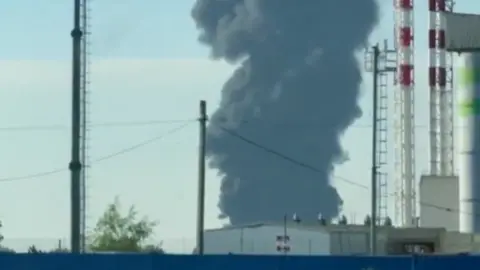
St. Petersburg’s sense of distance from the war cracked on Saturday, when Governor Alexander Beglov told residents not to go outside as drones hit the city and mobile internet disruptions loomed. For a city long cast by the Kremlin as a showcase of normal life, the order carried a different message: Russia’s second capital was being forced to behave like a frontline zone.
Beglov said the city came under a “large-scale” drone attack and urged people to remain in their homes until the situation stabilised. Regional governor Alexander Drozdenko said 141 drones were shot down over the surrounding Leningrad region, while Russia’s Defence Ministry said air defences intercepted 376 Ukrainian drones in total. Authorities did not immediately report casualties, but Beglov warned that mobile internet service could be disrupted as security teams worked through the response.
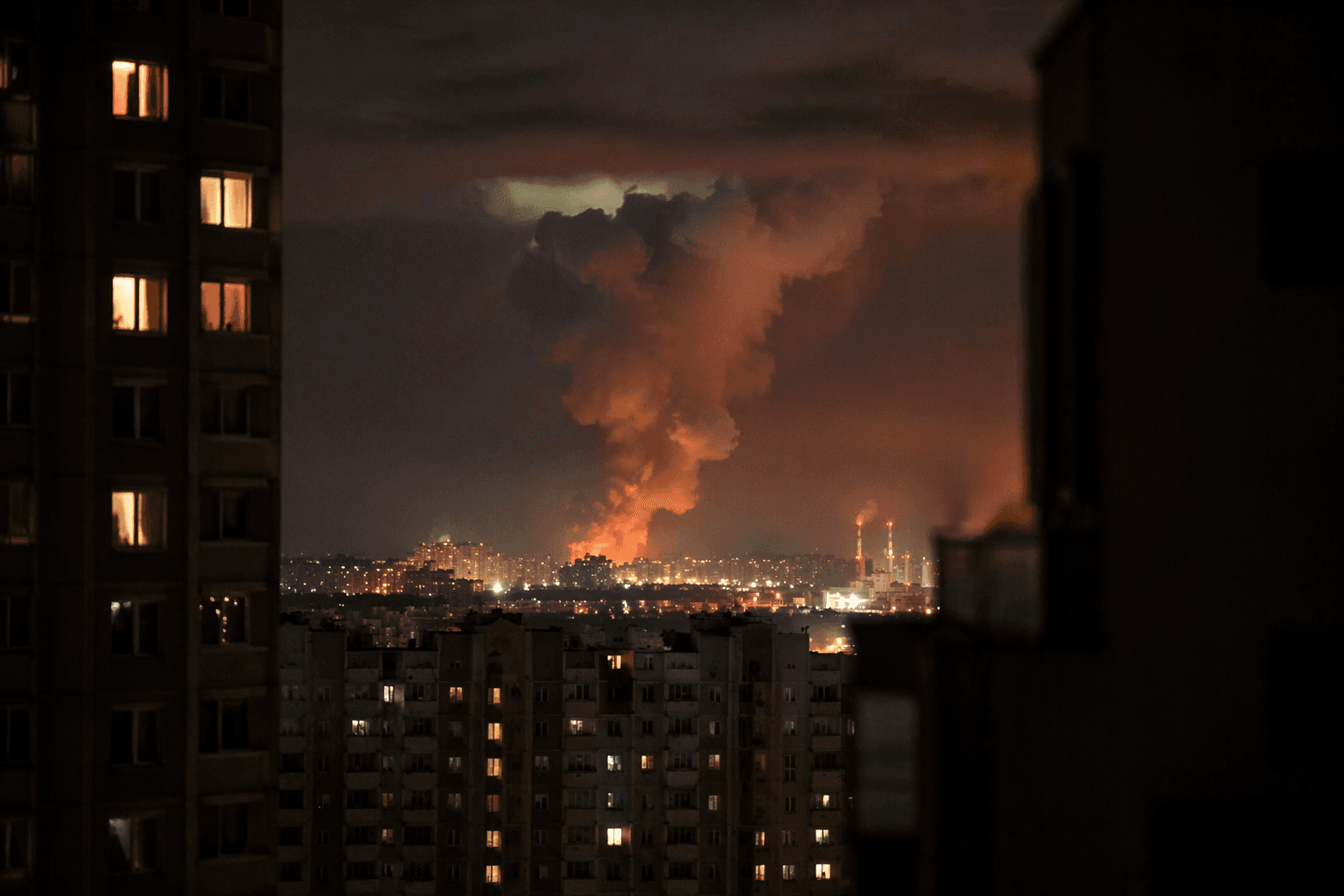
The attack followed a separate strike three days earlier that set ablaze one of St. Petersburg’s largest oil terminals and hit infrastructure near a naval base, just as the St. Petersburg International Economic Forum was opening. Ukrainian President Volodymyr Zelenskyy said the earlier strike reached targets nearly 700 miles from Ukrainian territory, and later said his drones had travelled about 1,000 kilometres to the St. Petersburg region. On Friday, Vladimir Putin used the forum to reject Zelenskyy’s push for direct talks, saying there was “no point” in meeting.
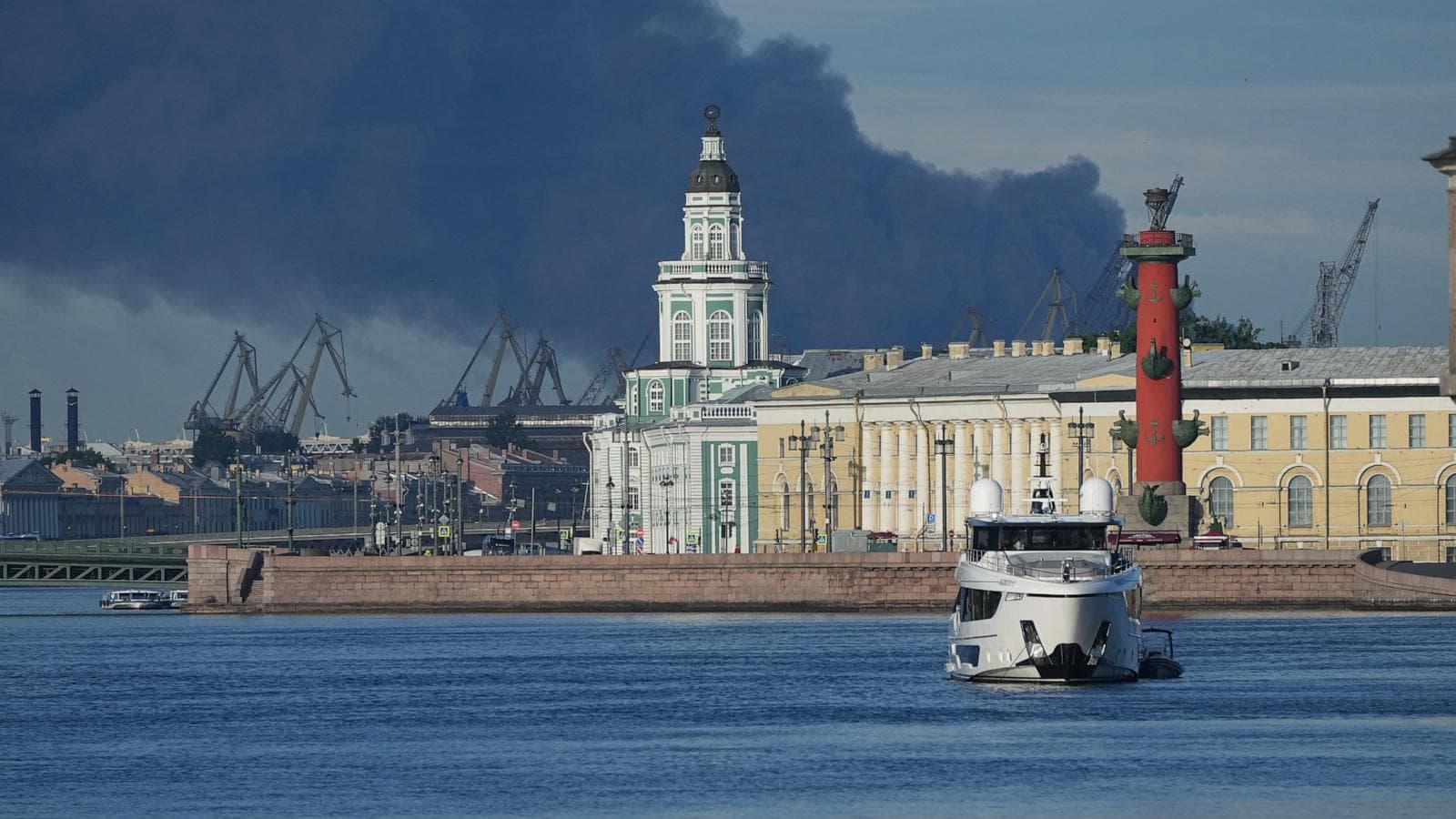
The timing mattered as much as the damage. St. Petersburg is Putin’s home city, a major oil export hub and the stage for one of Russia’s most important investment events, so every blast there carries both economic and symbolic weight. Saturday’s attack showed how drone warfare is redrawing Russia’s internal map of risk, pushing the conflict into cities that once felt insulated from it and exposing how vulnerable even the country’s political and commercial centers remain to long-range strikes.
This article was produced by Prism’s automated news system from verified source data, official records, and press releases, then run through automated quality and moderation checks before publishing. The system is built and supervised by the people who set the standards it runs under. Read our full AI policy.
Did this article answer your question?


