Grab raises 2026 revenue forecast on strong delivery, ride-hailing demand
Grab lifted 2026 revenue and profit guidance after Q2 revenue rose 22% to $997 million, signaling resilient ride and delivery spending across Southeast Asia.
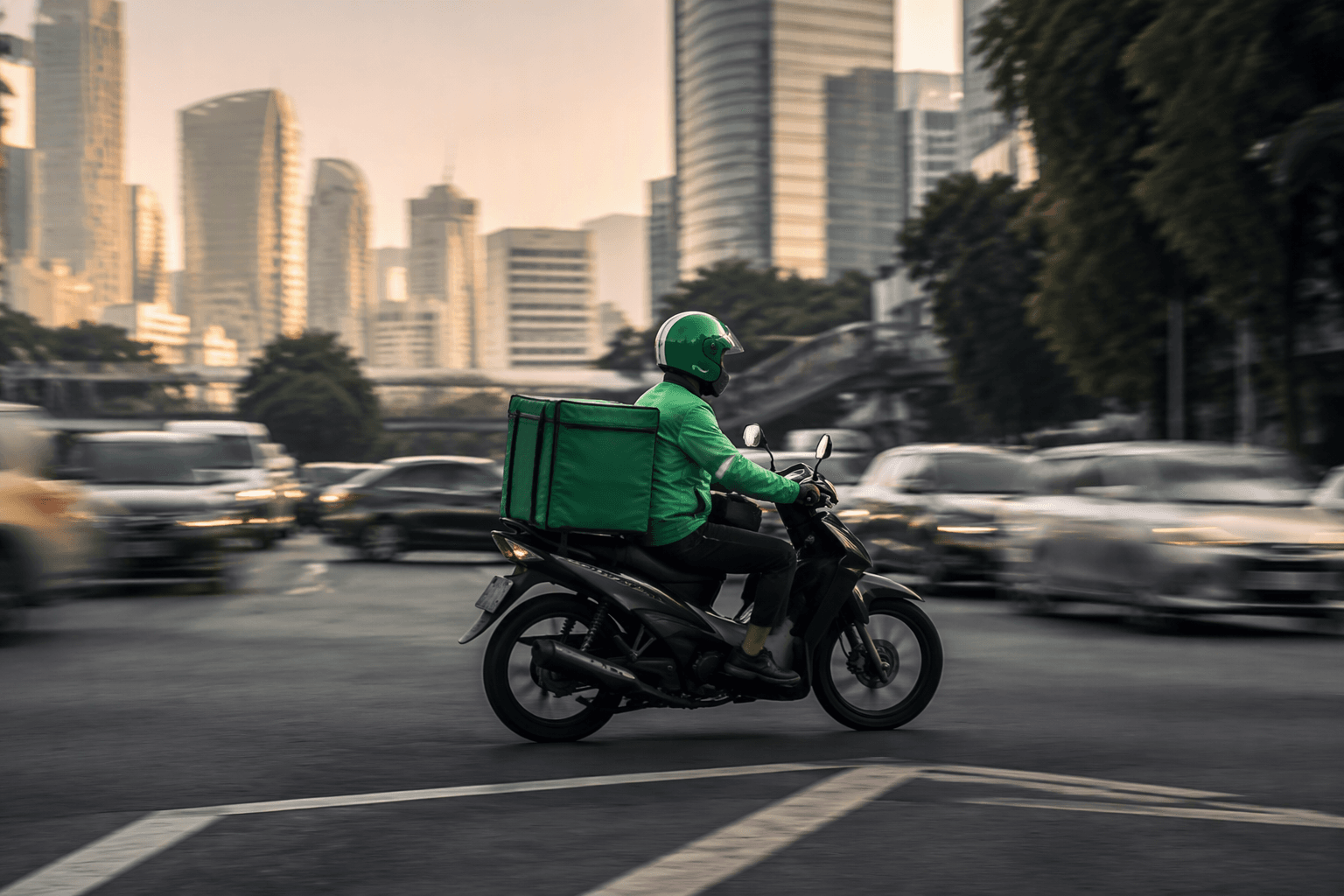
Grab lifted its full-year 2026 revenue and profit guidance after second-quarter revenue rose 22% year over year to $997 million and on-demand gross merchandise value climbed 21% to $6.5 billion. The Singapore-based super-app also said it would launch a $750 million share repurchase program, adding to a March 24 plan to buy back up to $400 million.
The numbers point to consumers still leaning on Grab for two everyday needs: getting around and getting food delivered. That matters in Southeast Asia, where app-based transport and delivery have become part of urban routine and where demand can reveal whether households are still willing to spend on convenience after a stretch of higher prices. Grab said promotions and expansion efforts supported the stronger performance, while features such as order bundling and a budget-friendly service tier helped target customers dealing with higher costs tied to the Iran war.
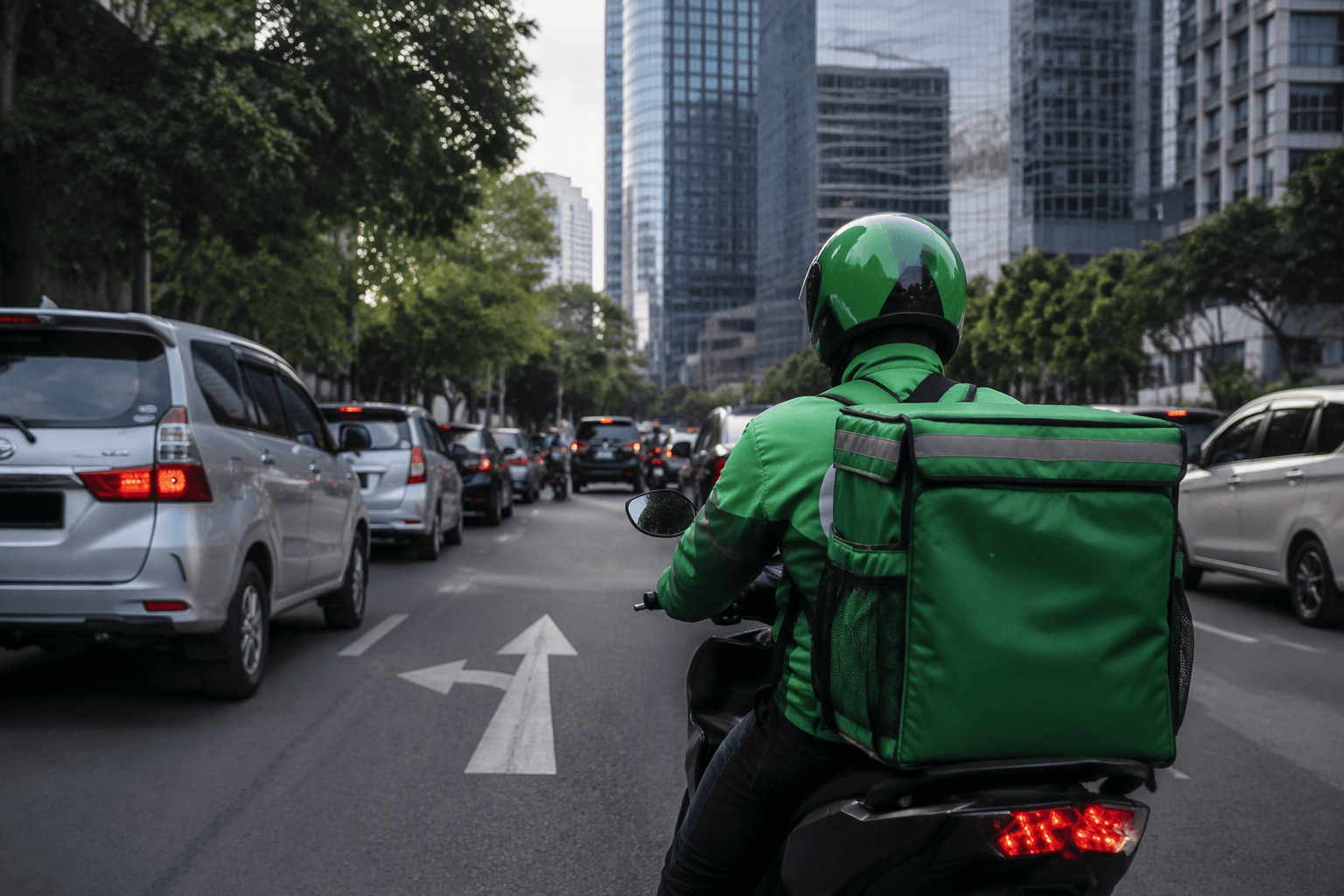
Grab’s second-quarter results were strong enough to show that scale is translating into cash generation as well as volume. Profit for the period reached $235 million, while adjusted EBITDA jumped 54% to $168 million. The company has spent years broadening beyond ride-hailing into food delivery, logistics and financial services, and the latest figures suggest that keeping customers inside the app is still producing gains in revenue and operating leverage.
The update also lands in a market where investors have pushed U.S. and other global gig-platform companies to prove they can turn growth into durable profit. Grab’s raised outlook eases some of that pressure for now, but the real test is whether the improvement reflects sustained demand or a temporary rebound amplified by promotions. Grab’s chief financial officer said the fintech business is expected to turn profitable in the second half of 2026, a milestone that would add another layer to the company’s push for a more balanced earnings mix.
For Southeast Asia, Grab’s guidance now serves as a live reading on consumer resilience, platform dependence and digital spending. The company’s willingness to return more capital through a larger repurchase program suggests management sees enough strength in the business to be more aggressive about shareholder returns, even as the market waits to see whether ride-hailing and delivery can keep growing at this pace into 2027.
This article was produced by Prism’s automated news system from verified source data, official records, and press releases, then run through automated quality and moderation checks before publishing. The system is built and supervised by the people who set the standards it runs under. Read our full AI policy.
Did this article answer your question?