Visa to buy BioCatch for $2.4 billion to boost fraud defenses
Visa agreed to pay $2.4 billion in cash for BioCatch, adding behavioral biometrics as AI-powered scams and account takeovers grow more costly.
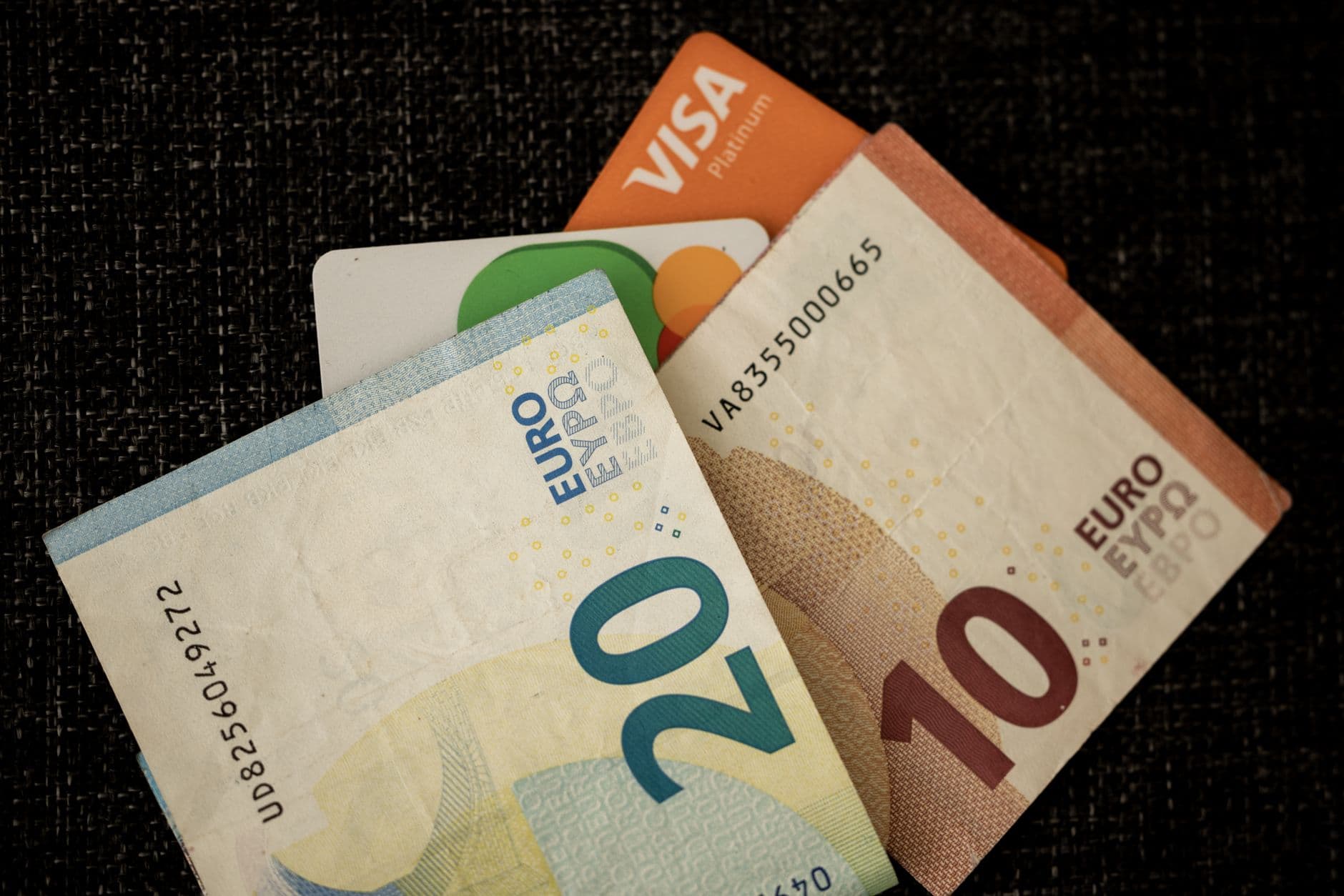
Visa agreed to buy fraud intelligence provider BioCatch for $2.4 billion in cash, a move that expands the card network’s defenses as online scams, account takeovers and other digital threats keep rising. Visa said it signed a definitive agreement to acquire BioCatch from funds advised by Permira and other shareholders.
BioCatch’s core selling point is behavioral and device intelligence, software that studies how people interact with phones, computers and apps to flag unusual activity before losses mount. Visa said that technology is meant to help detect scams, account takeovers and digital fraud before they happen, and that it complements its existing cyber, fraud, risk and security solutions. BioCatch describes its platform as a next-generation fraud and financial crime system built on real-time telemetry, behavioral analysis and predictive intelligence to detect and prevent account opening fraud, account takeover, social engineering and scams.
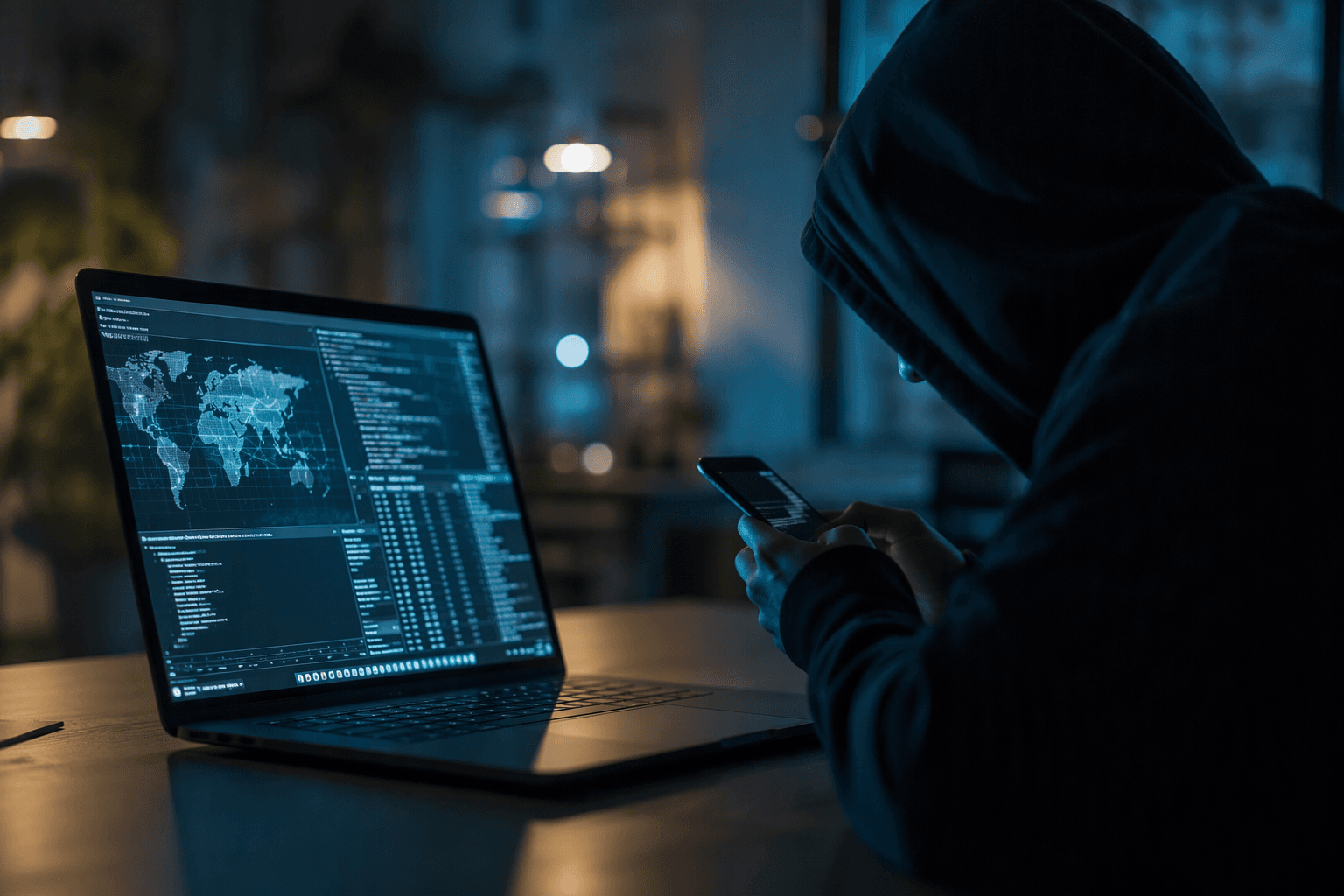
The acquisition reflects a broader shift in payments: fraud prevention is moving from a support function to a core product. Visa’s business already sits at the center of billions of card and digital transactions, and the company has been steadily widening its role from moving payments to helping institutions verify users and defend transactions. Adding BioCatch gives Visa a specialist in spotting risk through patterns rather than credentials alone, a useful edge when passwords, one-time codes and static verification can be bypassed by criminals using synthetic identities, social engineering and automation.
The timing also underscores how quickly the threat environment has changed. CNBC framed the deal as coming amid a surge in AI-powered scams, and that pressure is showing up across banks and payment processors that need better real-time tools to protect customers without creating too much friction. Visa said the purchase should bolster its offerings for banks, merchants and other payment partners, giving them more options to detect suspicious behavior before a fraudulent transfer is completed.
The deal also signals more competition for fraud-intelligence specialists as major payment networks buy security capabilities outright instead of relying only on outside vendors. For banks, that can mean deeper integration between fraud detection and transaction processing. For merchants, it can reduce the chance that a scam reaches settlement. For cardholders, the payoff is fewer unauthorized charges and faster detection when an account is under attack. In a payments system that is increasingly instant and digital, Visa is betting that security is no longer a back-office add-on but part of the infrastructure itself.
This article was produced by Prism’s automated news system from verified source data, official records, and press releases, then run through automated quality and moderation checks before publishing. The system is built and supervised by the people who set the standards it runs under. Read our full AI policy.
Did this article answer your question?