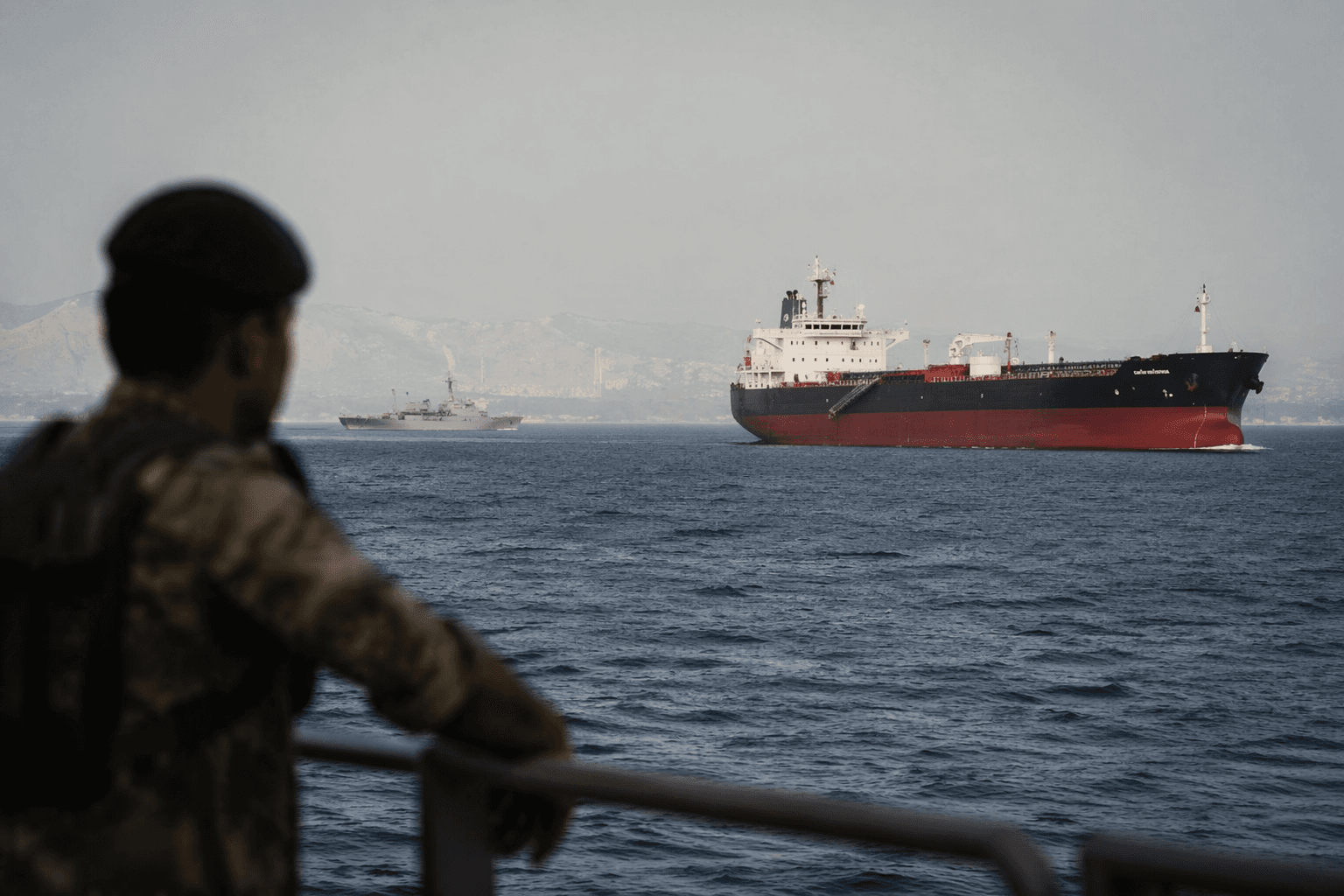
Graham predicts diplomacy with Iran will fail, warns of force over strait
Graham backed talks with Iran but said he expects them to fail, then warned Trump could use force over the Strait of Hormuz if diplomacy collapses.
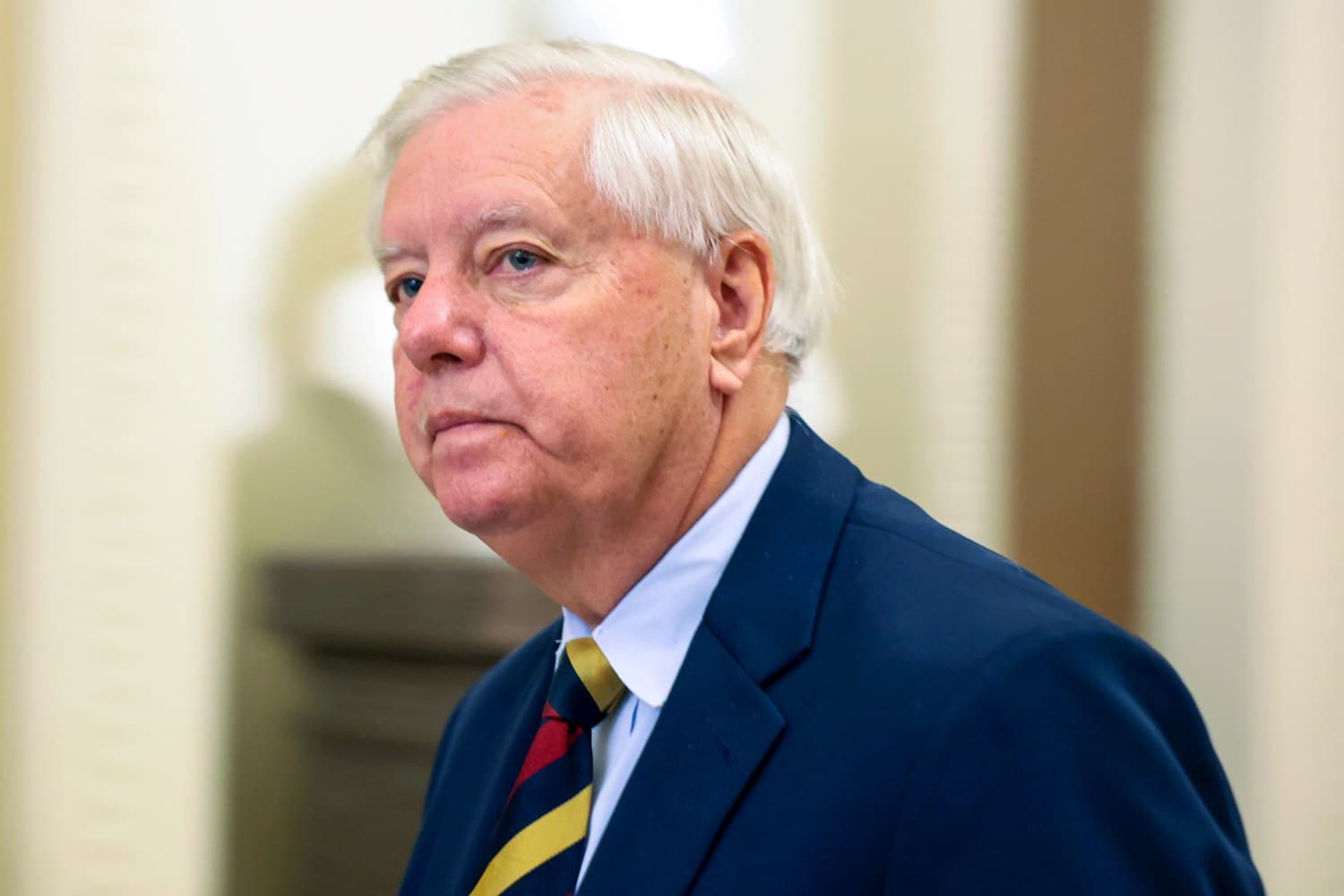
Lindsey Graham offered conditional backing for talks with Iran on Sunday, then undercut that support by predicting the diplomacy would fail and warning that Donald Trump could reach for force over the Strait of Hormuz. The South Carolina Republican said, “Let’s try a diplomatic solution. I think it’s going to fail,” and added that he would “rather try diplomacy than take it off the table.”
His comments came as JD Vance and other U.S. negotiators met Iranian officials in Switzerland during a 60-day negotiating period that began after the two sides signed a memorandum of understanding last week. The talks were unfolding against a fragile backdrop: fighting involving Israel and Hezbollah had already endangered the ceasefire, and Iran said on June 20 that it would again close the Strait of Hormuz after accusing the United States and Israel of violating the agreement.
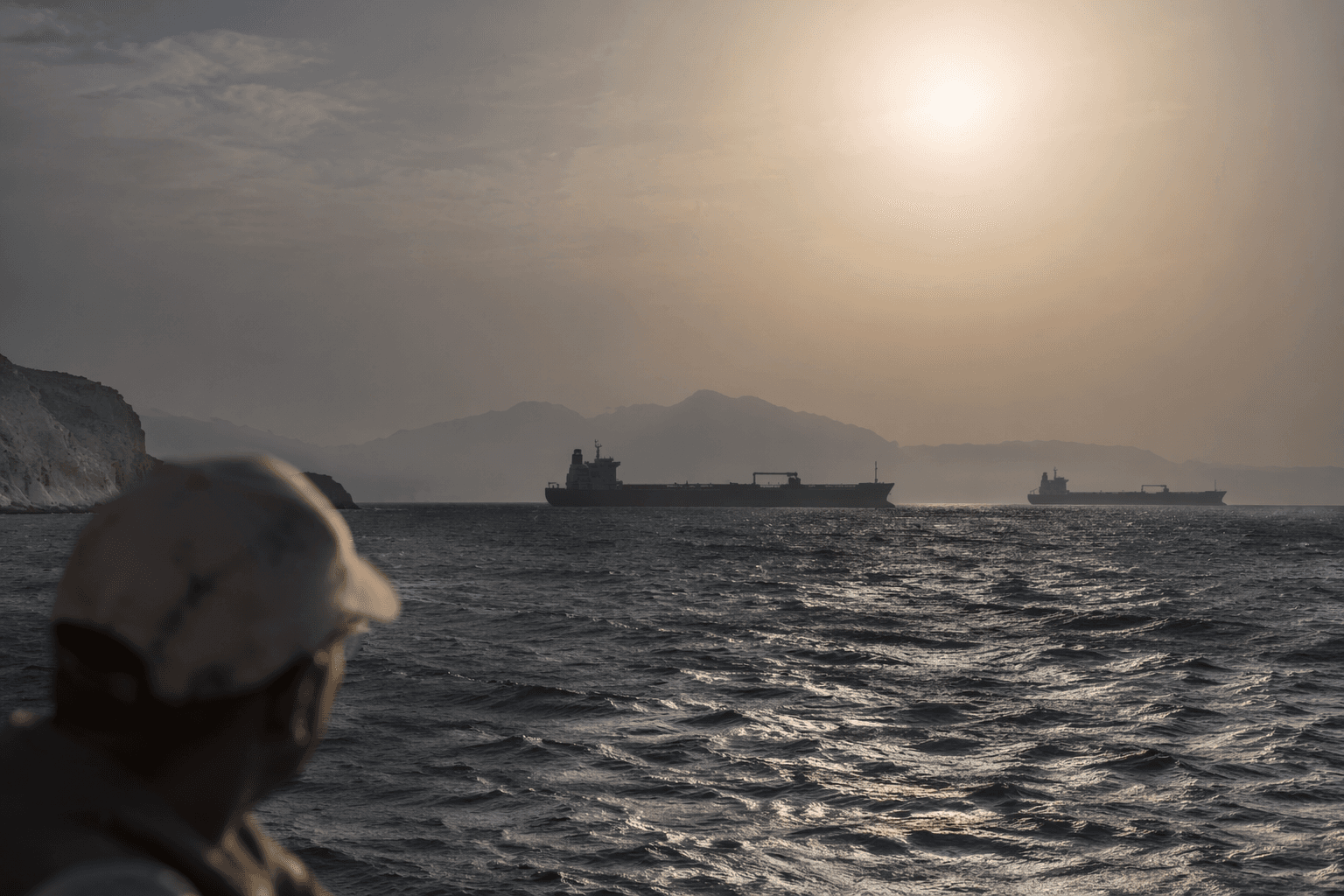
Graham, who has long been one of the Senate’s most hawkish voices on Iran, framed the diplomacy as a temporary test rather than a durable solution. He said he had spent four and a half hours with Trump on June 19 and predicted that if talks collapse, the president would take the Strait of Hormuz by force. Graham said the United States would control the waterway, charge ships a fee to pass through it and expand the Abraham Accords in 2026. If Iran challenged U.S. control, he said, “we will obliterate them.”
That warning fits a pattern. Graham and Sen. Roger Wicker blasted a reported 60-day ceasefire arrangement on May 23, arguing it could strengthen Iran’s regional position. Graham warned then that if Iran still threatened the Strait of Hormuz and Gulf oil infrastructure, it would be seen as a dominant force that would require diplomacy, calling that outcome a “nightmare for Israel.” Wicker called the rumored ceasefire a “disaster.”
The emerging deal itself has reflected the same tension between restraint and leverage. Draft terms included no new U.S. sanctions until a final agreement, a possible release of about $25 billion in frozen Iranian assets and Iranian commitments not to produce or acquire nuclear weapons, not to pursue further uranium enrichment and not to expand nuclear facilities. Graham said any final nuclear deal should go to Congress for review and a vote, even though the 2015 JCPOA was treated as a political commitment rather than a treaty and never won Senate ratification.
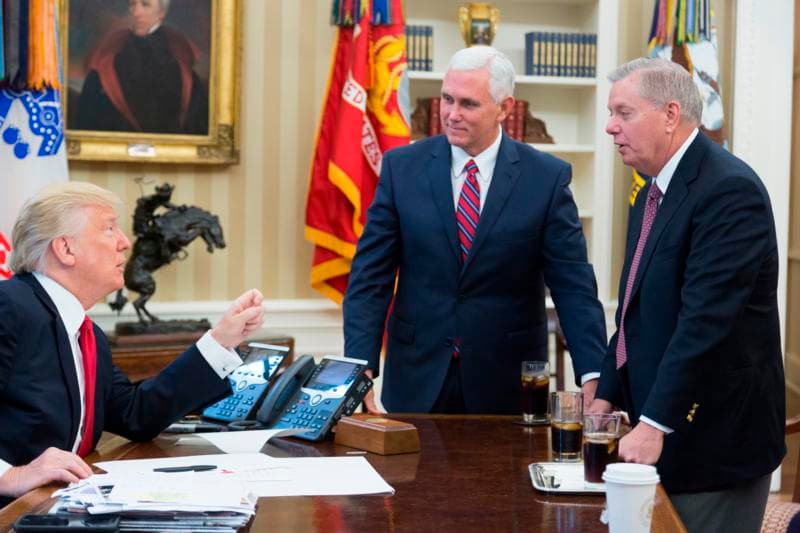
Graham publicly signaled his unease on June 14, writing that he was concerned the United States and Iran had “different” views of the deal. Sunday’s warning sharpened that split: support for diplomacy, paired with an expectation of failure, leaves hawkish lawmakers shaping both the off-ramp and the on-ramp to a wider conflict.
This article was produced by Prism’s automated news system from verified source data, official records, and press releases, then run through automated quality and moderation checks before publishing. The system is built and supervised by the people who set the standards it runs under. Read our full AI policy.
Know something we missed? Have a correction or additional information?
Submit a Tip