Graham softens on Iran fund if Gulf states pay, CBS interview
Lindsey Graham said he would back a $300 billion Iran fund if Saudi Arabia, Qatar and the UAE paid instead of the West. His shift sharpened the GOP fight over the deal.

Lindsey Graham softened his attack on a proposed Iran fund, saying he would support it if Sunni Arab states, not Western governments, paid the bill. Speaking from Seneca, South Carolina, the Republican senator recast an idea he had blasted nine days earlier as “tone deaf” and likened to “a Marshall Plan for Germany with the Nazis still in charge.”
Margaret Brennan pressed Graham on a memorandum that called for a fund of at least $300 billion. Graham said his view changed because he believed the money was no longer coming from the West. If the financing came from Saudi Arabia, Qatar and the United Arab Emirates, he said, that would signal Iran had changed.
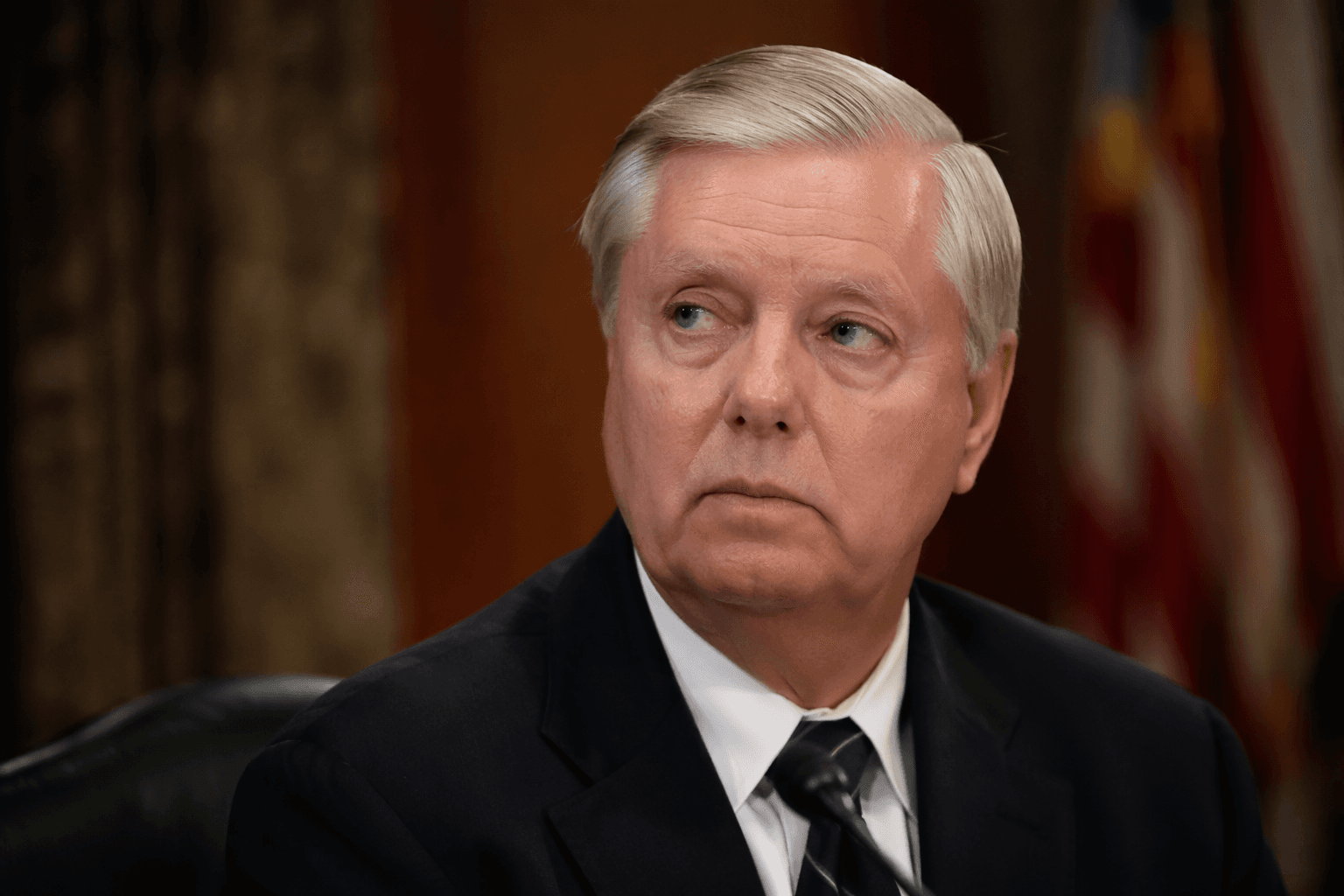
That distinction mattered because Graham was not embracing the fund as a gesture of goodwill toward Tehran. He was drawing a hard line around who should pay, arguing that Gulf investment would make the plan a regional test of Iran’s behavior rather than a Western concession. In practical terms, his position would shift the burden away from the United States and Europe and put Gulf capitals at the center of any reconstruction or stabilization effort tied to Iran.
The interview aired amid the first face-to-face U.S.-Iran talks since President Donald Trump agreed to a truce. The Trump administration was already under pressure over Iran’s nuclear program, control of the Strait of Hormuz, and criticism from Republicans who said concessions on ballistic missiles and other issues amounted to a major foreign-policy mistake. Brennan said Republicans were divided over whether the president had given away too much, and the episode included taped criticism of the deal from Sens. Ted Cruz, John Cornyn, Tom Cotton and Bill Cassidy.
The Sunday broadcast also featured U.N. Ambassador Mike Waltz, Democratic Rep. Jason Crow of Colorado, Anthony Salvanto, and a panel with Amos Hochstein and Kevin Book. Graham’s intervention was aimed squarely at the GOP conversation in Washington: he was trying to make opposition to the Iran deal sound less like blanket rejection and more like a demand that Arab allies, not American taxpayers or European governments, carry the cost. If that line took hold, the fight in Congress would shift from whether to fund the arrangement at all to who should bankroll it, and what that choice says about Iran’s place in the region.
This article was produced by Prism’s automated news system from verified source data, official records, and press releases, then run through automated quality and moderation checks before publishing. The system is built and supervised by the people who set the standards it runs under. Read our full AI policy.
Did this article answer your question?