Graham urges Trump to keep pressure on Iran as gas prices surge
Gas prices are rising as the Strait of Hormuz stays shut, and Lindsey Graham is urging Donald Trump to hit Iran harder despite the domestic blowback.

Americans are already feeling the cost of a distant chokepoint: the average U.S. price of unleaded gas is up 51% since the United States first took military action against Iran more than two months ago, while diesel prices have topped $5.80 a gallon and averaged $4.80 in 2026. Sen. Lindsey Graham says that pressure is the price of keeping Iran from gaining leverage in the Strait of Hormuz, the narrow waterway that carries about 20 million barrels a day of crude oil and petroleum products and remains one of the world’s most exposed energy arteries.
Graham, the South Carolina Republican and one of President Donald Trump’s most visible foreign-policy allies, is pushing Trump to keep up the campaign against Iran even as a fragile ceasefire and stalled negotiations leave the conflict unresolved. On Meet the Press, Graham said, “the longer the [Strait of Hormuz] is closed, the more we try to pursue a deal that never happens, the stronger Iran gets,” and urged Trump to “weaken them further.” He also said the standoff is “hurting us all,” but argued that gas prices will come down when Iran is “put in a box.”
The economic stakes are unusually broad. The Strait of Hormuz is only 29 nautical miles wide at its narrowest point, with separate 2-mile-wide shipping lanes for inbound and outbound traffic, and there are few practical alternatives if the route is shut. The U.S. Energy Information Administration says oil flow through the strait averaged 20 million barrels per day in 2024, equal to about 20% of global petroleum liquids consumption. The Congressional Research Service puts the split at roughly 14 million barrels a day of crude oil and condensate, plus 6 million barrels a day of petroleum products, while about 20% of global liquefied natural gas trade also passes through the same passage.
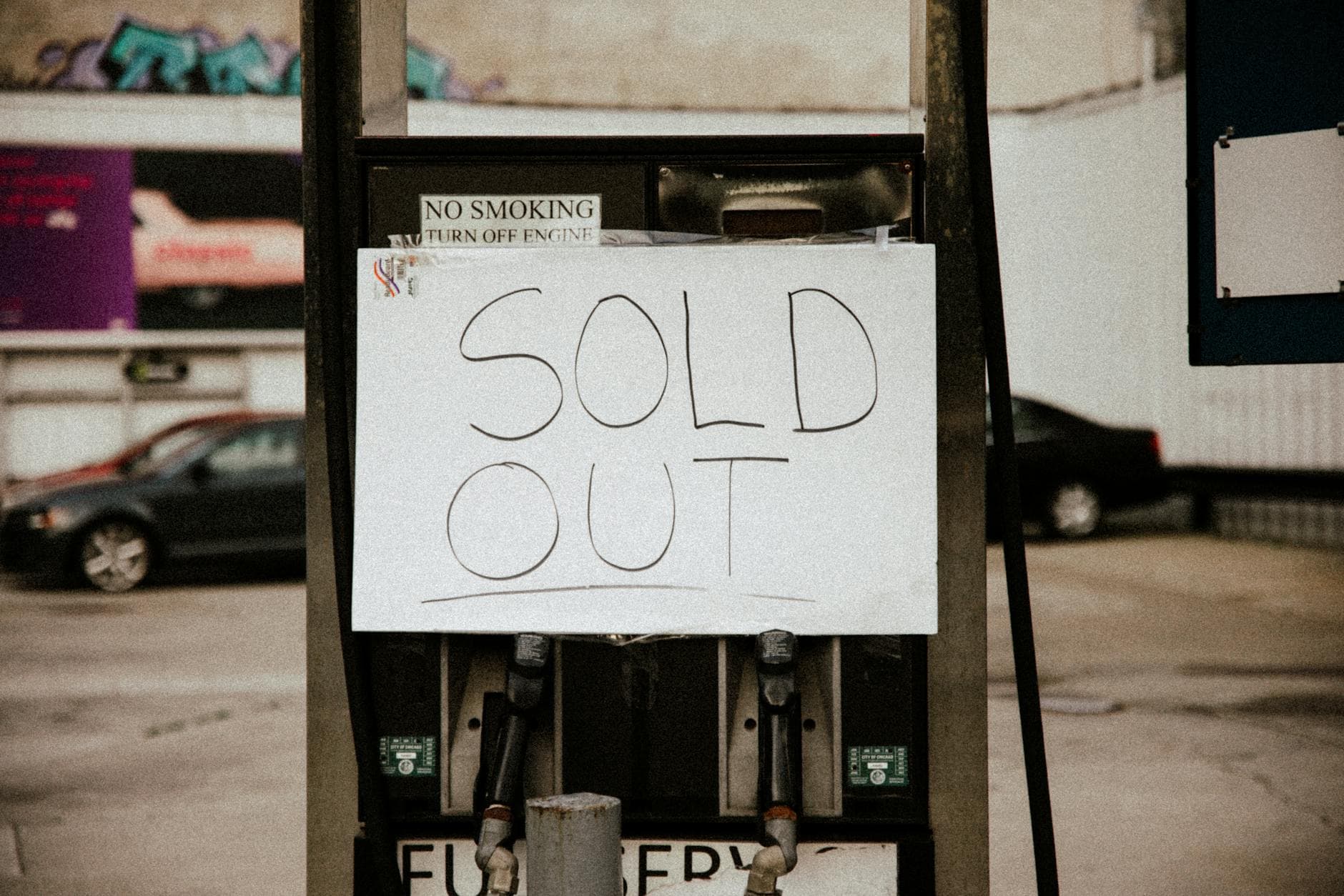
The market reaction has already been severe. The World Bank said the disruption cut global oil supply by 10.1 million barrels a day in March and projected output would fall by 6.9 million barrels a day in the second quarter of 2026, a 6.6% year-over-year decline. The Energy Information Administration said Brent crude climbed from $69 a barrel on June 12 to $74 the next day amid regional tension. For households, that means more expensive fuel; for businesses, it means higher shipping costs, fertilizer costs and industrial input prices, all of which feed inflation expectations.


Trump returned from China and told Fox News that he did not ask Chinese leaders to help on Iran, even as he said Xi Jinping would like to help end the conflict. Graham has also urged European allies to send military assets to help reopen the strait, underscoring the split inside the broader debate: whether squeezing Iran is a deterrent, an escalation, or both. With energy markets still on edge, the answer is shaping not just Middle East policy but the price Americans pay at the pump.
This article was produced by Prism’s automated news system from verified source data, official records, and press releases, then run through automated quality and moderation checks before publishing. The system is built and supervised by the people who set the standards it runs under. Read our full AI policy.
Did this article answer your question?


