Gray whales flock to San Francisco Bay, where ship strikes kill many
Gray whales surged into San Francisco Bay as Arctic food faltered, and at least 21 of 114 identified animals were later found dead.
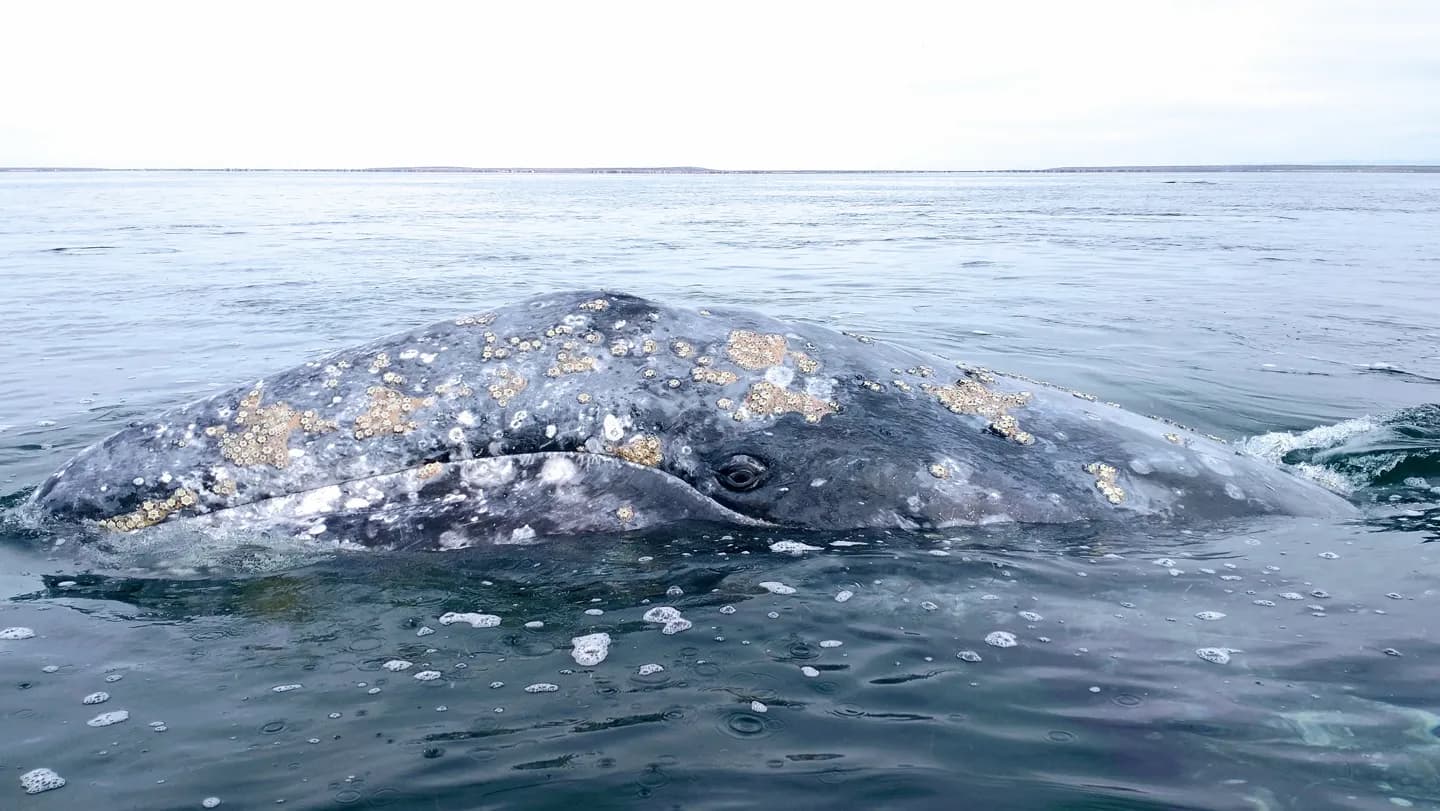
Gray whales have been pushing into San Francisco Bay in numbers that now collide with one of the nation’s busiest waterways. In a newly reported study, scientists identified 114 individual gray whales in the bay from 2018 through 2025 and later found at least 21 dead, a minimum mortality rate of 18 percent. Many of those deaths were linked to vessel strikes, with some whales also thought to have starved.
The pattern points to a climate-and-commerce collision. Researchers say gray whales are entering the bay because warming conditions are disrupting access to food in Arctic feeding grounds, forcing the animals to widen their search along the migration route between Baja California, Mexico, and the far north. NOAA has reported that the eastern North Pacific gray whale population has fallen by more than 50 percent since 2016, and its revised 2025 estimate put the population at about 13,000, the lowest since the 1970s. The decline includes the 2019-2023 Unusual Mortality Event, which cut the population by roughly 45 percent.
San Francisco Bay has become especially perilous because the whales must move through the Golden Gate Strait, a narrow bottleneck packed with ferries, cargo ships, fishing vessels, sailboats and other recreational craft. Gray whales ride low in the water and are hard to spot, especially in fog, which raises the odds that a vessel can strike an animal before a lookout sees it. Scientists said the species has not historically stopped in the bay consistently; when it did, it was generally in years when Arctic food supplies were poor.
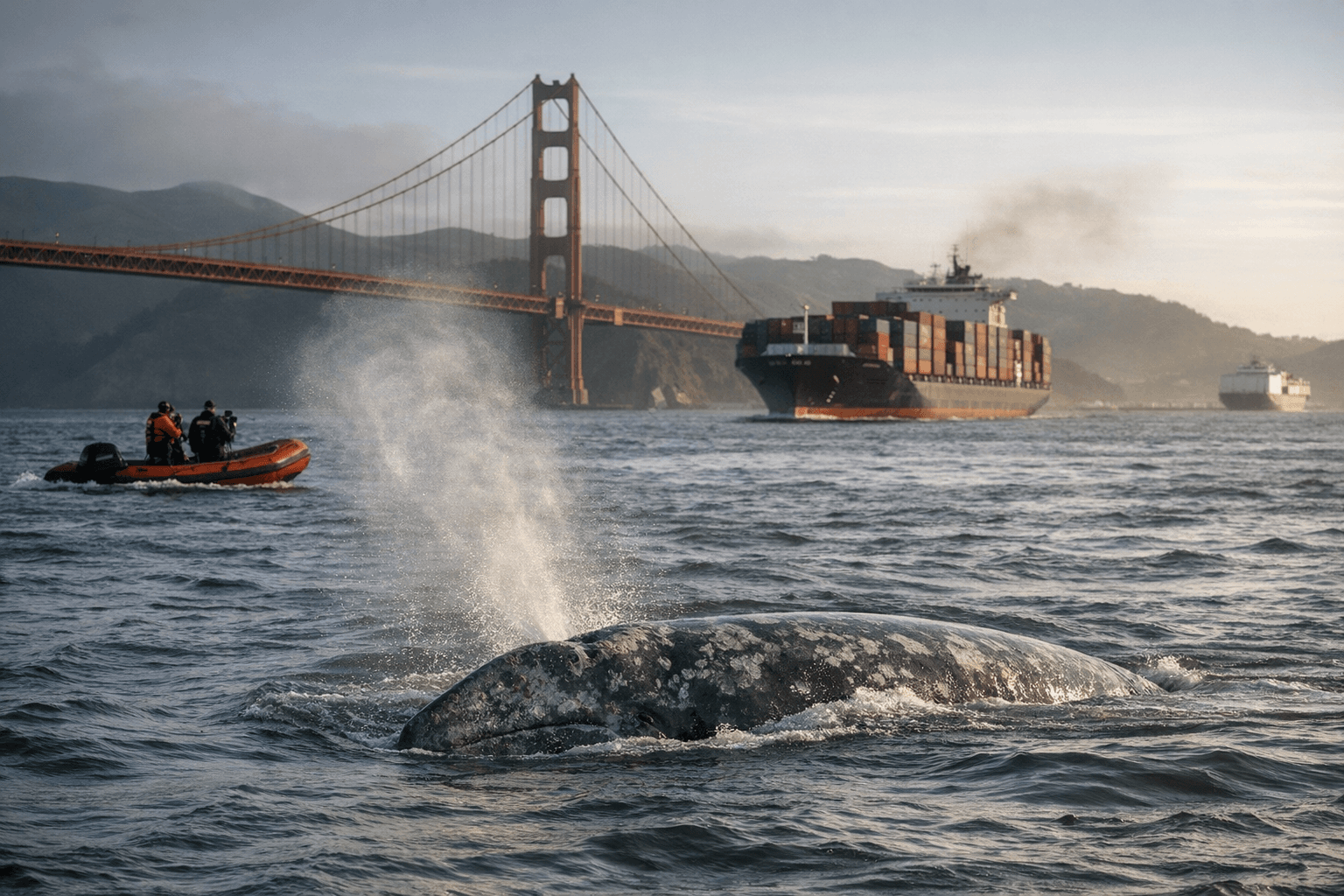
The pressure has sharpened in recent seasons. In 2025, 24 whales died in the greater San Francisco Bay Area, including 21 gray whales, two unidentified baleen whales and one minke whale. Eight of the gray whale deaths were judged suspect or probable vessel strikes. More than 30 individual gray whales were confirmed in San Francisco Bay that year, compared with only six in 2024, a jump that suggests the bay is drawing more whales even as it remains a deadly corridor.
Conservation groups and scientists, including The Marine Mammal Center and the California Academy of Sciences, have urged boaters to “be whale aware” and slow down. The Marine Mammal Center said it is working with the San Francisco Harbor Safety Committee on possible mitigation measures, including shifting ferry lanes based on sighting data and improving mariner alerts through the U.S. Coast Guard. Those steps would not solve the climate-driven loss of food in the Arctic, but they could reduce the danger where the whales now face some of the highest vessel traffic on the West Coast.
Sources:
Know something we missed? Have a correction or additional information?
Submit a Tip